How to bulk and cut
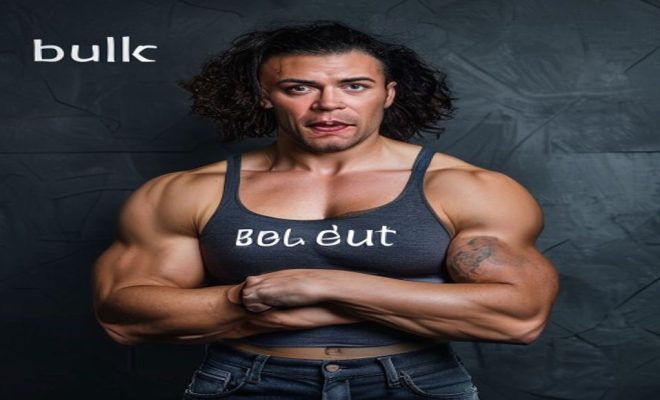
“`html
The fitness world is rife with jargon, and two terms that often come up are “bulking” and “cutting.” These phases are critical for anyone looking to change their physique, whether you’re aiming to build muscle or shed fat. But how do you effectively execute these processes? In this comprehensive guide, we’ll explore essential bulk cutting techniques and provide insights on how to navigate the complexities of body composition changes.
1. Understanding Bulking and Cutting
Before diving into specific techniques, it’s essential to understand what bulking and cutting mean. Bulking refers to a phase where the primary goal is to gain weight and muscle mass. This is typically achieved through a calorie surplus, where individuals consume more calories than they burn. On the other hand, cutting focuses on fat loss while preserving as much muscle as possible, which requires a calorie deficit.
Each phase has its nuances. During bulking, the focus is on strength training, with a higher intake of carbohydrates and proteins to fuel workouts and promote muscle growth. Conversely, cutting necessitates a more meticulous approach to diet, where tracking macronutrients becomes crucial to maintain muscle while losing fat.
2. The Importance of Nutritional Planning
Nutritional planning is the backbone of both bulking and cutting. For successful bulking, individuals should aim for a caloric surplus of about 250-500 calories per day, depending on their activity level and metabolic rate. This surplus should primarily come from protein and complex carbohydrates, with healthy fats making up a smaller percentage.
During cutting, however, the approach shifts dramatically. The goal is to create a caloric deficit—typically around 500-750 calories less than maintenance levels. This deficit should be managed carefully to ensure that muscle is preserved while shedding body fat. High-protein diets become critical during this phase to support muscle maintenance and to keep you feeling satisfied longer.
3. Key Macronutrients: A Closer Look
When focusing on bulk cutting techniques, understanding macronutrients—proteins, carbohydrates, and fats—is vital. Protein is essential for muscle growth during the bulking phase; aim for 1.6 to 2.2 grams of protein per kilogram of body weight. Good sources include chicken, fish, lean beef, beans, and legumes.
Carbohydrates are equally important, especially when bulking. They provide the energy necessary for intense workouts. Choosing complex carbohydrates such as quinoa, oats, and sweet potatoes can help meet energy needs without leading to excess fat gain. Meanwhile, fats should be consumed judiciously, with focus on healthy options like avocados, nuts, and olive oil.
4. Strength Training: The Cornerstone of Bulking
To effectively bulk up, strength training is non-negotiable. Resistance training not only stimulates muscle growth but also ensures that the weight gained is primarily muscle rather than fat. Compound lifts like squats, deadlifts, and bench presses should form the core of your workouts, as they activate multiple muscle groups and promote hormonal responses conducive to muscle growth.
It’s recommended to follow a structured program that includes progressive overload—gradually increasing weights and varying rep ranges to continually challenge your muscles. Aim for 3-6 sets of 6-12 reps for optimal hypertrophy. Incorporating rest days is crucial to allow muscles to recover and grow.
5. Cardio Considerations During Cutting
While bulking is primarily focused on strength training, cutting necessitates a balance between cardio and resistance training. Cardio helps burn extra calories and improves heart health. However, it’s vital to strike the right balance; too much cardio can lead to muscle loss.
High-intensity interval training (HIIT) has become a popular choice during cutting phases because it can be effective in burning calories while preserving more muscle compared to traditional steady-state cardio. Aim for 2-3 sessions of HIIT each week, in addition to your weight training. This approach can yield impressive results in fat loss while maintaining muscle mass. (See: Nutritional strategies for muscle gain.)
6. The Role of Supplements
While not essential, supplements can support your bulk cutting techniques. During the bulking phase, protein powders can help meet daily protein goals, especially post-workout. Creatine is another well-researched supplement that can enhance strength and muscle growth when used correctly.
On the cutting side, branched-chain amino acids (BCAAs) can help preserve muscle when in a caloric deficit, especially if you’re doing cardio or extended fasting. Additionally, fat burners might be useful for some, though they should be approached with caution and preferably under the guidance of a healthcare professional.
7. Tracking Progress: Key to Success
The only way to know if your bulk cutting techniques are working is to track your progress. This can be through regular weigh-ins, body measurements, or even progress photos. Each of these methods provides valuable insight into whether you’re gaining muscle during bulking or losing fat during cutting.
Using apps or journals can simplify this process. Tracking macros can also help ensure you stay within your caloric goals, making it easier to identify areas of improvement. Remember, consistency is key in either phase, so regular tracking can help maintain motivation and focus.
8. Mindset and Motivation
Embracing the bulk and cut method can be psychologically demanding. It’s essential to have the right mindset, particularly during the cutting phase when food restrictions can feel challenging. Focusing on small, attainable goals rather than solely on the end result can help maintain motivation throughout the process.
Support systems are also invaluable. Whether through workout buddies, online forums, or communities, sharing your journey with others can provide encouragement and accountability. Remember that plateaus are normal, and adjusting your strategies when progress stalls is part of the journey.
9. Common Mistakes to Avoid
Many people fall into common pitfalls when bulking and cutting. One major mistake during bulking is over-consuming calories without proper nutrient balance, leading to excessive fat gain rather than muscle. It’s crucial to prioritize quality food over quantity.
During cutting, a frequent error is cutting calories too drastically, which can lead to muscle loss and metabolic slowdown. Sustainable changes are more effective than extreme diets. Additionally, neglecting strength training during cutting can result in muscle loss, so always keep lifting weights as a priority.
10. Staying Flexible: Adapting Your Approach
The last of our bulk cutting techniques emphasizes the need for flexibility. Every individual’s body responds differently to changes in diet and exercise. What works for one person might not work for another, so being open to modifying your approach based on results is key.
Listen to your body. If you’re feeling fatigued or not seeing results, it may be time to tweak your diet, adjust your training intensity, or even take a short break. Maintaining a flexible mindset can help you navigate the ups and downs of bulking and cutting phases.
11. Advanced Bulk Cutting Techniques
For those already versed in the basics of bulking and cutting, incorporating advanced techniques can help optimize results. One such method is carb cycling, which involves alternating between high and low carbohydrate intake days. This strategy can help with fat loss while maintaining energy levels for workouts. On your high-carb days, you can fuel intense workouts, while low-carb days promote fat burning.
Another technique is the use of refeeds, which are planned increases in caloric intake, particularly carbohydrates, to mitigate the effects of extended dieting. This can help reset metabolism and provide psychological relief, making it easier to stick to a cutting regimen.
Incorporating periodization into your training can also yield benefits. This involves varying your workout routine by changing intensity, volume, and exercise types over time to prevent plateaus and maximize muscle growth. (See: Calculate your Body Mass Index (BMI).)
12. Real-Life Success Stories
Seeing real-life transformations can provide motivation and insight into effective bulk cutting techniques. For example, athlete and fitness influencer John Doe transformed his physique by implementing a structured bulking phase followed by a meticulous cutting phase. He focused on whole foods, strength training, and adequate rest. His calorie surplus during bulking allowed him to gain 15 pounds of muscle, while his cutting phase helped him lose fat while maintaining that muscle. His journey emphasizes the importance of patience and consistency.
Similarly, Jane Smith, a competitive bodybuilder, utilized a blend of HIIT and strength training during her cutting phase to preserve muscle while achieving a leaner physique. By tracking her macros and adjusting her caloric intake based on her progress, she was able to achieve her competition-ready body.
13. Statistics on Bulking and Cutting
Statistics reveal the popularity and effectiveness of bulking and cutting phases among fitness enthusiasts. According to a survey conducted by the International Society of Sports Nutrition, 80% of weight lifters regularly cycle between bulking and cutting phases. Additionally, research indicates that individuals who follow structured bulking and cutting protocols see 20-30% more muscle gain compared to those who do not follow a plan.
Furthermore, studies suggest that implementing high-protein diets during cutting can reduce muscle loss by up to 30%, highlighting the importance of macronutrient management. These statistics reinforce the notion that informed approaches to bulking and cutting can lead to significant body composition improvements.
14. Frequently Asked Questions (FAQ)
What is the ideal duration for a bulking phase?
The duration of a bulking phase can vary based on individual goals and body composition. Typically, a bulking phase lasts anywhere from 8 to 16 weeks. It’s essential to monitor progress and adjust as needed.
How can I prevent gaining excess fat during bulking?
To minimize fat gain while bulking, focus on clean eating, prioritize whole foods, and ensure that your caloric surplus is moderate. Incorporating plenty of strength training and maintaining a workout schedule will help you gain muscle rather than fat.
Is cardio necessary during the bulking phase?
While cardio is not a primary focus during bulking, incorporating some cardiovascular exercise can enhance heart health and improve recovery. However, excessive cardio might hinder muscle gain, so balance is key.
Can I cut while maintaining my strength?
Yes, it’s possible to maintain strength while cutting, especially if you focus on high-protein intake and continue with strength training. Incorporating methods like progressive overload and proper recovery can help maintain strength during a caloric deficit.
How often should I adjust my caloric intake?
Monitoring your progress weekly can help you determine when to adjust your caloric intake. If you’re not seeing desired results, whether bulking or cutting, consider making gradual adjustments to your calories—approximately 100-200 calories up or down depending on your goals.
What should I do if I hit a plateau?
If you hit a plateau in either phase, reassess your diet and training regimen. Sometimes, taking a deload week or adjusting your macronutrient ratios can help jump-start progress. Additionally, changing your workout routine or trying new exercises can also be beneficial. (See: The role of diet in body composition.)
15. Understanding the Science Behind Bulking and Cutting
Digging into the science can provide a better understanding of why certain approaches work. When bulking, the goal is to manipulate muscle protein synthesis (MPS), which is the process of building new muscle proteins. Research shows that a positive energy balance (more calories consumed than burned) promotes MPS, making it essential to consume adequate protein and calories.
On the flip side, during the cutting phase, the focus shifts to creating a negative energy balance. A study published in the journal “Obesity” found that individuals who maintained higher protein intake while losing weight preserved more lean mass compared to those on a lower protein diet. This highlights why macronutrient distribution is just as critical during cutting as it is during bulking.
16. Personalizing Your Bulk Cutting Techniques
It’s important to remember that everyone is different. Personalizing your approach is key to success. For example, some individuals may respond better to higher carbohydrate diets during bulking, while others may find a moderate-carb approach works best. Keeping a food diary or using apps can help you identify patterns and shifts in how your body responds to different foods and training regimens.
Consider factors like age, gender, metabolic rate, and personal preferences. Some people may thrive on a vegetarian or vegan diet during bulking, while others might prefer a more carnivorous approach. Experimenting with foods and training routines can help you find what feels best for your body.
17. Tips for Staying Committed
Staying committed to your bulking and cutting phases can be challenging, but implementing a few strategies can help. Setting clear, achievable goals is essential. Whether it’s increasing your squat weight or fitting into a specific shirt size, tangible goals can keep you motivated.
Additionally, meal prepping can save time and help you stay on track with your nutrition. Preparing meals ahead of time allows you to control portions and avoid unhealthy food choices when hunger strikes. Surrounding yourself with a supportive community can also help keep you accountable and motivated, whether through workouts with friends or online fitness groups.
18. Final Thoughts on Bulk Cutting Techniques
Mastering bulk cutting techniques involves a blend of nutritional knowledge, strategic training, and mental resilience. With the right approach, you can effectively transform your physique, making informed decisions every step of the way. Remember that success doesn’t always come overnight; it’s about consistency, patience, and finding a method that works for you personally.
Whether you’re a seasoned athlete or just starting, the journey is unique to you. Embrace the process, celebrate small victories, and keep pushing towards your ultimate fitness goals.
“`
Trending Now
Frequently Asked Questions
What is bulking and cutting in fitness?
Bulking and cutting are two distinct phases in fitness aimed at altering body composition. Bulking focuses on gaining weight and muscle through a calorie surplus, while cutting emphasizes fat loss while preserving muscle by creating a calorie deficit.
How do I plan my diet for bulking?
For bulking, aim for a caloric surplus of 250-500 calories per day, primarily from protein and complex carbohydrates. This helps fuel workouts and promote muscle growth, while healthy fats should comprise a smaller portion of your intake.
What should I eat while cutting?
During cutting, focus on a high-protein diet and create a caloric deficit of 500-750 calories below maintenance levels. This helps preserve muscle while losing fat, and tracking macronutrients becomes crucial to manage your intake effectively.
How long should a bulking phase last?
A bulking phase typically lasts several months, depending on individual goals and results. It's important to monitor progress and adjust caloric intake as needed to ensure effective muscle gain without excessive fat accumulation.
Can you bulk and cut at the same time?
While it's challenging to bulk and cut simultaneously, some individuals may experience body recomposition, where they gain muscle while losing fat. This requires a very careful balance of diet and training, making it less common and more complex.
What's your take on this? Share your thoughts in the comments below — we read every one.