How to use running watch
“`html
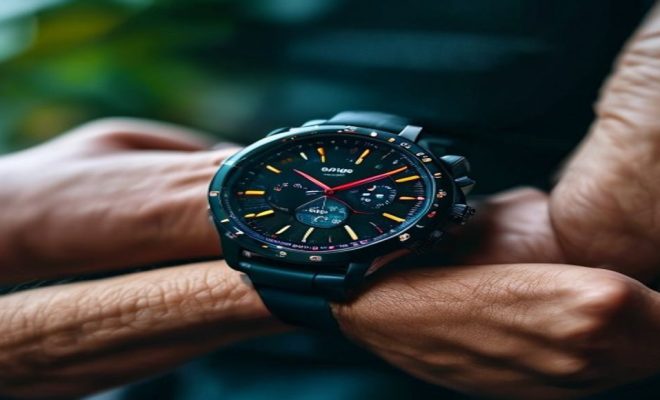
In the age of technology, staying fit has never been easier, and a running watch is one of the most valuable tools you can add to your fitness arsenal. This running watch guide will walk you through everything you need to know about using a running watch effectively, from understanding its features to maximizing your training sessions. Whether you’re a seasoned marathoner or just starting out, knowing how to fully utilize this device can significantly enhance your running experience.
1. Understanding the Basics of a Running Watch
At its core, a running watch is designed to track your running performance, but it often comes equipped with many more features than just pace and distance. Most models include GPS functionality, heart rate monitoring, and even smart notifications. Understanding these basic functionalities is key before diving into more advanced features.
Typically, running watches measure metrics such as distance traveled, time elapsed, pace, and heart rate. GPS-enabled watches provide accurate tracking of your route and can even offer elevation data. This is crucial for runners who want to analyze their performance over varied terrains. You’ll often find that the interfaces of these watches vary, but most provide a straightforward display of your current stats, allowing you to adjust your pace accordingly.
2. Choosing the Right Running Watch
With numerous options on the market, selecting the right running watch can feel overwhelming. Before making a purchase, consider what features are most important to you. If you’re training for a marathon, you might prioritize GPS accuracy and long battery life. Alternatively, if you’re running for leisure, you might find a simpler model suits your needs.
Popular brands like Garmin, Polar, and Fitbit offer various options tailored to different types of runners. For instance, Garmin’s Forerunner series is highly regarded for its detailed metrics and advanced training features. On the other hand, if you’re looking for something more casual, the Fitbit Charge series offers basic tracking capabilities coupled with a sleek design.
In addition to these brands, consider exploring newer entrants to the market, such as Coros and Suunto, which have carved out niches with unique features and competitive pricing. Checking reviews and comparisons online can also provide insight into the best running watches for your needs. Look for user experiences that highlight durability, ease of use, and customer support, which can be pivotal factors in your decision.
3. Setting Up Your Running Watch
Once you’ve chosen your running watch, the next step is to set it up for your unique running style. Begin by charging the device fully and then download the accompanying app, which often enhances the watch’s functionality. Most running watches will require you to input personal information such as age, weight, and fitness goals to provide accurate metrics.
Calibration is also essential for ensuring that your watch delivers precise data during your runs. This can typically be done through the app by inputting your stride length or by running a known distance while the watch records the data. Remember, accurate calibration can significantly improve the accuracy of your pace and distance tracking.
Don’t overlook the importance of syncing your watch with your smartphone. This not only keeps your data organized but also allows for real-time updates and notifications. Most apps provide user-friendly interfaces that can help you analyze your performance over time.
4. Basic Functions to Master
Now that your watch is set up, it’s time to master the basic functions. First and foremost, familiarize yourself with the start and stop buttons, as these are essential for tracking your runs accurately. Once you’re comfortable with this, explore additional features such as lap counting and interval training settings. (See: CDC on physical activity basics.)
The lap function can be invaluable for tracking your progress over specific distances, allowing you to compare performance during individual laps. If your watch supports interval training, you can set specific time or distance alerts that inform you when it’s time to speed up or slow down. This training method is particularly useful for improving speed and endurance.
Don’t hesitate to experiment with different workout modes available on your watch. Many come with pre-set plans tailored to specific goals, such as weight loss or improving personal records, which can guide your training efforts more systematically.
5. Advanced Features to Explore
For those who want to take their training to the next level, many running watches come equipped with advanced features like VO2 max estimation, training load insights, and recovery time suggestions. Understanding these metrics can help you tailor your training effectively.
VO2 max measures your body’s ability to utilize oxygen during intense exercise, giving you insight into your cardiovascular fitness level. Likewise, monitoring your training load can help ensure that you’re not overtraining, while recovery recommendations can inform you when it’s safe to push yourself again. Utilizing these features can lead to more effective and safer training routines.
Some watches even offer real-time feedback on your running form. Features like ground contact time and vertical oscillation can provide insights into areas where you might improve, preventing injuries and enhancing efficiency. If you’re keen on progressing, consider watches that also offer structured workouts and the ability to create your own training plans directly on the device.
6. Utilizing Heart Rate Monitoring
Heart rate monitoring has become a staple feature in many running watches. By keeping track of your heart rate during runs, you can gauge your effort and intensity levels. Most watches offer different heart rate zones, which can be beneficial for targeting specific training goals, such as endurance or fat burning.
Understanding your heart rate zones can help you structure your workouts more effectively. For instance, if you’re aiming to improve endurance, you might want to spend more time in the aerobic zone, while those focusing on speed may benefit from training in the anaerobic zone. Regularly monitoring your heart rate allows you to better manage your exertion levels and avoid burnout.
Additionally, some watches can track heart rate variability (HRV), providing a deeper insight into your recovery state and overall fitness. HRV metrics can indicate how well your body is coping with stress and training load, allowing for smarter planning of workouts and rest days.
7. Integrating with Other Apps and Devices
Many running watches have the capability to sync with fitness apps and other devices, providing a comprehensive view of your health and fitness data. Popular apps like Strava and MyFitnessPal can enhance your running experience by offering detailed analytics and nutrition tracking.
When integrating these tools, be sure to check compatibility with your running watch. Once connected, you can share your workouts, analyze trends over time, and even engage with a community of fellow runners. This social aspect can serve as motivation and provide valuable insights into your running routine.
Moreover, consider connecting your watch to other health and wellness platforms, such as sleep tracking apps and dietary management tools. The more data points you have, the better you can understand the relationship between your running performance and other aspects of your health. (See: New York Times running guide.)
8. Maintaining Your Running Watch
To ensure that your running watch operates at peak performance, regular maintenance is essential. This includes keeping the software updated and cleaning the device after runs, especially if you’ve been sweating heavily. Most watches are waterproof, but it’s still a good idea to rinse them off to remove any sweat or dirt that could potentially affect the sensors.
Additionally, monitor the battery life closely. Depending on your usage, you may need to charge your watch more frequently. Many models have power-saving modes that can extend battery life during long runs. Familiarizing yourself with these settings can help you avoid running out of juice mid-run.
Lastly, consider the lifespan of your running watch. Most devices last several years before requiring replacement. When the time comes, evaluate whether an upgrade is necessary based on new features or technology that could further enhance your running experience.
9. Getting the Most Out of Your Running Watch
Finally, to fully benefit from your running watch, it’s crucial to approach your training with a goal-oriented mindset. Set specific, measurable goals based on the metrics your watch provides. Whether it’s improving your pace, completing a certain distance, or simply increasing your overall activity, having clear objectives can keep you motivated.
Don’t forget to review your data regularly. Analyzing trends in your performance can provide insights that inform your training decisions. You may find that certain conditions, such as weather or time of day, impact your performance, and adjusting your routine accordingly can lead to improved results.
Also, consider participating in challenges or races that push you outside your comfort zone. Many running apps host virtual races and community challenges that can add an element of excitement and accountability to your training.
10. Common Questions About Running Watches
What are the key features to look for in a running watch?
Key features include GPS tracking, heart rate monitoring, battery life, water resistance, and compatibility with fitness apps. Depending on your level of experience, you may also want advanced metrics like VO2 max estimation and training load insights.
Can I use a running watch for other activities?
Absolutely! Many running watches offer multi-sport modes, allowing you to track activities like cycling, swimming, and even indoor workouts. This versatility makes them great investments for anyone interested in a variety of fitness activities.
How often should I update my running watch?
Updates depend on the brand and model of your watch. Generally, you should install updates whenever they’re available to improve performance and fix bugs. Regularly updating your watch can also ensure you’re getting the latest features.
How do I improve the accuracy of my running watch?
Ensuring your watch is calibrated properly and making sure that GPS settings are optimized for your running environment can improve accuracy. Running outdoors in open areas will typically yield the best GPS results, while urban areas may cause interference. (See: Harvard University health resources.)
Is it worth investing in a high-end running watch?
If you’re serious about running and tracking your performance, investing in a high-end model can provide valuable insights that cheaper models may not offer. Features like advanced performance metrics, longer battery life, and greater durability can enhance your training significantly.
11. Exploring Popular Running Watch Models
When it comes to running watches, there are several standout models that have gained popularity among runners for their unique features and robust performance. Here’s a closer look at some of the top choices:
- Garmin Forerunner 245: This mid-range option is perfect for serious runners. It offers advanced running dynamics, training load insights, and a battery life of up to 7 days in smartwatch mode, making it a reliable companion for long runs.
- Apple Watch Series 7: While not exclusively a running watch, it has great fitness tracking capabilities. With its seamless integration with iOS and robust app ecosystem, this watch is perfect for those who want a multi-functional device.
- Polar Vantage V2: This high-end watch is favored by professional athletes for its extensive training features and accuracy in heart rate monitoring. It also offers personalized training guidance and a long battery life of up to 40 hours in GPS mode.
- Fitbit Charge 5: Known for its user-friendly interface and sleek design, this fitness tracker provides essential running metrics while also offering health tracking features like sleep monitoring and stress management tools.
12. Understanding Running Watch Metrics
To effectively use your running watch, it’s important to understand the various metrics it tracks. Here’s a breakdown of some common metrics and what they mean:
- Distance: The total distance run, usually measured in kilometers or miles. This is fundamental for tracking progress over time.
- Pace: Your speed over the distance run, often expressed as minutes per mile or kilometers. Monitoring your pace helps you understand your speed and adjust your training.
- Cadence: The number of steps taken per minute. A higher cadence is generally associated with improved running efficiency.
- Elevation Gain: The total amount of elevation climbed during a run. This metric is crucial for runners who train on hilly terrain.
- Recovery Time: Estimates how long it will take for your body to recover from a workout. This can help prevent overtraining and injuries.
13. Using Your Watch to Stay Motivated
Your running watch can be more than just a tracking device; it can be a powerful motivator. Here are some ways to harness its capabilities to keep you motivated:
- Set Challenges: Many watches allow you to set challenges based on distance or time. Completing these challenges can give you a sense of achievement.
- Join Virtual Races: Participate in virtual races that allow you to compete against others from the comfort of your neighborhood. This can add a competitive edge and make running more exciting.
- Social Sharing: Share your accomplishments on social media platforms. Engaging with a community of runners can provide encouragement and camaraderie.
- Track Progress: Regularly reviewing your data can show improvements over time. Celebrate milestones, whether it’s a new personal best or consistent training.
14. Potential Drawbacks of Running Watches
While running watches offer numerous advantages, they aren’t without their drawbacks. Here are some potential downsides to consider:
- Cost: High-quality running watches can be expensive, which may not be feasible for everyone, particularly beginners.
- Complexity: Some models come with a steep learning curve due to their extensive features. This can be overwhelming for new users.
- Battery Life: While many watches boast impressive battery life, running GPS for extended periods can drain the battery quickly, necessitating frequent charges.
- Distraction: Constant notifications can become distracting during runs, potentially detracting from the running experience.
15. Final Thoughts on Selecting and Using a Running Watch
As technology continues to evolve, running watches have become an integral part of many runners’ training regimens. Choosing the right device that aligns with your goals and preferences can greatly enhance your running experience. With the features available today, you can track your progress, analyze your performance, and stay motivated like never before. So whether you’re gearing up for your next race or just enjoying a leisurely jog, your running watch is there to help you every step of the way.
In summary, understanding how to effectively use a running watch can elevate your running experience significantly. From setting it up to utilizing its myriad features, this running watch guide has equipped you with the tools to enhance your performance and achieve your fitness goals. So strap on that watch and hit the road with confidence!
“`
Trending Now
Frequently Asked Questions
What features should I look for in a running watch?
When choosing a running watch, consider features like GPS functionality, heart rate monitoring, battery life, and smart notifications. If you’re training for long distances, prioritize GPS accuracy and long battery life. For casual runners, simpler models may suffice. Popular brands like Garmin and Fitbit offer various options tailored to different runner needs.
How do I use a running watch to track my performance?
To effectively use a running watch, familiarize yourself with its basic functionalities such as tracking distance, time, pace, and heart rate. Utilize the GPS feature to accurately record your route and analyze performance over various terrains. Adjust your pace based on the displayed stats during your run for optimal training.
Can a running watch help improve my training?
Yes, a running watch can significantly enhance your training by providing real-time metrics on your performance. Features like pace, heart rate, and GPS tracking allow you to monitor your progress, set goals, and adjust your training accordingly, ultimately leading to improved running efficiency and performance.
What is the best running watch for beginners?
For beginners, a running watch with basic features like distance tracking and pace monitoring is ideal. Look for user-friendly models from brands like Fitbit or Garmin that offer essential functionalities without overwhelming complexity. As you progress, you can consider upgrading to a model with advanced features like heart rate monitoring and GPS.
Do running watches track elevation?
Many GPS-enabled running watches do track elevation, providing valuable data for runners navigating varied terrains. This feature helps analyze performance on hills and inclines, which can be crucial for training and improving overall running efficiency. Check the specifications of the model to ensure it includes elevation tracking.
What's your take on this? Share your thoughts in the comments below — we read every one.