Infotainment Issues Surge in 2026: Drivers Lose Faith in Car Tech
“`html
The automotive landscape is evolving at a rapid pace, with manufacturers racing to integrate the latest technology into their vehicles. However, recent findings from the JD Power 2026 U.S. Initial Quality Study (IQS) reveal a troubling trend that could shake the confidence of even the most devoted car buyers. Infotainment systems, the very feature that many consumers have come to expect in new vehicles, are now marked as the only category experiencing an increase in reported issues. This stark revelation raises crucial questions about the future of car technology and consumer satisfaction.
1. The JD Power IQS: A Snapshot of Consumer Sentiment
The JD Power Initial Quality Study is one of the most comprehensive assessments of automotive quality, surveying thousands of new vehicle owners across the United States. This year, the study focused keenly on the user experience with infotainment systems, revealing that they are becoming a significant weak point for many drivers. As manufacturers push for more advanced digital features, the frustration among consumers seems to be growing, marked by an increase in complaints related to these systems.
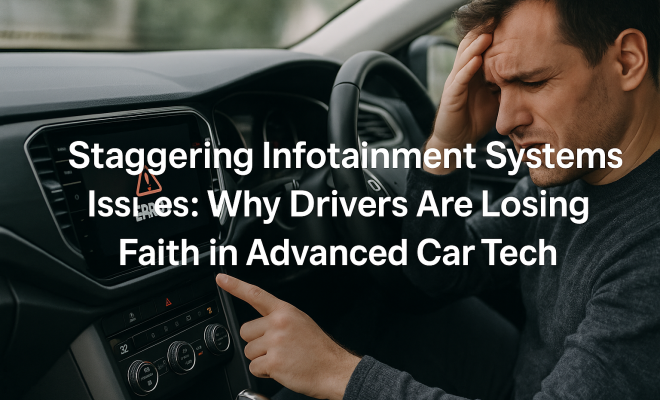
Drivers reported a myriad of issues, from glitchy screens to unresponsive touch controls, highlighting the growing gap between consumer expectations and the reality of technology in new vehicles. In a market where buyers are often swayed by promises of cutting-edge features, the sobering reality is that many are finding these systems unreliable—and even useless—when they fail to perform as advertised.
2. Understanding Infotainment Systems Issues
Infotainment systems have become a cornerstone of modern automotive design, merging navigation, entertainment, and connectivity into a single hub. Despite their importance, this year’s JD Power survey indicates that many drivers are encountering serious problems. Users are facing frequent software glitches that disrupt functionality, along with a general lack of responsiveness when interacting with touchscreens. These issues not only frustrate users but detract from the overall driving experience.
The rise in reported infotainment systems issues poses a significant concern for automakers. As they continue to innovate and invest heavily in technology, they must also address the reliability of these systems. Consumers are increasingly vocal about their dissatisfaction, creating a social media storm filled with complaints and humorous memes about ‘dumb’ cars equipped with flashy but flawed technology.
3. The Consumer Experience: Frustrations and Expectations
For many consumers, the purchasing decision is heavily influenced by the technology offered in a vehicle. Features like smartphone integration, navigation systems, and entertainment options have become essential. However, as the JD Power report underscores, the reality is that many drivers are settling for systems that fail to deliver on their promises. The emotional response is palpable; buyers feel deceived by the manufacturers who tout sophisticated tech but don’t deliver the reliability that should accompany it.
This disconnect between expectation and reality has led to a surge in online conversations, with consumers eager to share their discontent. As frustrations mount, there’s a growing demand for clarity from manufacturers on how they plan to rectify these issues. The emotional charge behind these complaints reflects a broader concern: when technology fails, it can significantly disrupt the driving experience, leading consumers to question their purchase decisions.
4. Industry Implications: A Wake-Up Call for Manufacturers
The findings from the JD Power study signal a potential turning point for the automotive industry. As automakers invest billions into developing advanced systems, they are now faced with the reality of consumer dissatisfaction. This trend may force manufacturers to reconsider their approach to infotainment systems, weighing the balance between cutting-edge technology and user-friendly design.
With consumer trust hanging in the balance, manufacturers may need to focus on enhancing the reliability and functionality of their infotainment offerings. This could mean prioritizing software updates, improving user interfaces, and perhaps even reverting to simpler systems that prioritize usability over unnecessary complexity. The conversation among automotive commentators suggests that if manufacturers do not act swiftly to address these concerns, they risk alienating a significant portion of their consumer base. (See: NHTSA on Infotainment Systems.)
5. The Social Media Effect: Amplifying Consumer Voices
Social media platforms have become a crucial outlet for consumers to voice their frustrations regarding infotainment systems issues. The viral nature of complaints and memes underscores the emotional weight behind these technical failures. As drivers share their experiences online, the automotive industry is under increased scrutiny, prompting many to reconsider their purchasing decisions based on the reliability of technology.
Platforms like Twitter and Instagram have become battlegrounds for discussions on automotive quality, with influencers and journalists entering the fray. These conversations not only amplify consumer pain points but also create a ripple effect that can influence potential buyers. As conversations trend on social media, it becomes increasingly essential for manufacturers to listen and respond proactively to consumer feedback.
6. Expert Opinions: What Industry Analysts Are Saying
Industry analysts have weighed in on the implications of the JD Power report, suggesting that the noted increase in infotainment systems issues could have far-reaching consequences. Some experts argue that if automakers fail to address these issues, they may find themselves in a precarious position as consumers begin to prioritize reliability over flashy features.
Furthermore, analysts hint at a possible return to simpler interfaces, as manufacturers may be forced to reconsider the balance between technology and user experience. This shift could lead to a fundamental change in how vehicles are designed, steering away from complex infotainment systems that detract from the overall driving experience. As the industry grapples with this dilemma, the conversations surrounding infotainment reliability are likely to intensify.
7. Consumer Strategies: What to Look for When Buying a New Vehicle
For consumers navigating the current automotive landscape, knowledge is power. Understanding infotainment systems issues is crucial when considering a new vehicle. Buyers should prioritize research, looking into the reliability of infotainment technology across various makes and models. Online reviews, consumer reports, and manufacturer transparency can provide valuable insights.
Additionally, prospective buyers should consider test-driving vehicles to personally evaluate the functionality of infotainment systems. Testing key features, such as smartphone integration and navigation usability, can help identify potential pain points before making a purchase. With the recent findings highlighting the importance of functionality, consumers must be vigilant in ensuring that their new vehicle meets their technological expectations.
8. Looking Ahead: The Future of Infotainment Systems
As the automotive industry moves forward, the ongoing conversation about infotainment systems issues will likely shape the future of vehicle technology. With increasing consumer awareness and vocal dissatisfaction, manufacturers will have to prioritize the reliability of their systems to maintain consumer trust and market share. Innovations may take a different direction, focusing on user experience and dependable technology.
Moreover, as competition intensifies, companies that can successfully address these issues may stand out in a crowded market. The pressing need for manufacturers to deliver on their promises regarding infotainment systems could lead to a new era of automotive design, one that values functionality as much as it does cutting-edge features.
In conclusion, as the automotive industry grapples with the implications of the JD Power 2026 U.S. Initial Quality Study, the focus on infotainment systems issues has never been more critical. Consumers are demanding better technology, and manufacturers must rise to the occasion, or risk losing their place in a rapidly changing marketplace. (See: Research on Consumer Technology Acceptance.)
9. Common Infotainment System Issues
Identifying common issues can help consumers understand what to expect when it comes to infotainment systems. Some of the more prevalent problems reported include:
- Connectivity Problems: Many drivers experience difficulty connecting their smartphones via Bluetooth or USB, leading to frustration while trying to use navigation apps or stream music.
- Software Bugs: Updates meant to enhance functionality can sometimes introduce new bugs that create even more problems than they solve. Users may find themselves facing unexpected shutdowns or feature malfunctions after an update.
- Voice Recognition Failures: As voice commands become more common, many users report their infotainment systems’ inability to accurately recognize commands, creating a frustrating experience when trying to access features hands-free.
- Lagging Response Times: Slow response from touchscreens can lead to distractions while driving, as users grapple with unresponsive controls.
- App Compatibility Issues: Some infotainment systems are not compatible with popular applications, limiting functionality, which can be particularly disappointing for users who rely on specific apps for navigation or entertainment.
10. Statistics on Infotainment Systems Issues
According to the JD Power report, issues related to infotainment systems have risen by an alarming 10% compared to the previous year, making them the most common complaint among drivers. In fact, around 25% of respondents reported experiencing some form of issue with their vehicle’s infotainment system. This statistic highlights the increasing dissatisfaction amongst consumers as they rely more on technology in their cars.
A separate study by Consumer Reports revealed that nearly 30% of drivers would consider switching brands if they are unhappy with their infotainment system. This statistic emphasizes the potential impact of these issues on manufacturers, who may lose loyal customers over technology failures.
11. Manufacturer Responses to Infotainment Systems Issues
In response to the rising tide of complaints regarding infotainment systems, some manufacturers are taking proactive steps to address these issues. For example:
- Regular Software Updates: Companies like Ford and Tesla are rolling out regular over-the-air updates to fix bugs and enhance functionality, ensuring that their systems evolve alongside consumer needs.
- User Feedback Initiatives: Manufacturers like Toyota have started initiatives to gather direct feedback from users about their experiences with infotainment systems, allowing them to identify and prioritize common problems.
- Partnerships with Tech Companies: Several automotive brands are partnering with technology firms such as Google and Apple to enhance the integration of their infotainment systems, focusing on creating a more seamless user experience by utilizing familiar platforms like Android Auto and Apple CarPlay.
12. The Role of User Experience Design in Infotainment Systems
As manufacturers address infotainment systems issues, the role of user experience (UX) design is becoming increasingly critical. A well-designed UX can significantly impact how drivers interact with their infotainment systems. Here are some key elements to consider:
- Simplicity: A clean, straightforward interface can help reduce confusion and frustration. Many drivers prefer a simple layout with clear options that can be accessed with minimal interaction.
- Responsiveness: Touchscreens must respond quickly to inputs. Lagging or unresponsive screens can lead to dangerous distractions while driving.
- Personalization: Allowing users to customize their infotainment experience can lead to greater satisfaction. Options to rearrange apps or create shortcuts to frequently used features can enhance user engagement.
- Accessibility: Ensuring that the infotainment system is usable for all drivers, including those with disabilities, is vital. This could include voice commands that accurately recognize a range of accents and speech patterns.
13. Frequently Asked Questions (FAQ) About Infotainment Systems Issues
What should I do if my infotainment system is not working correctly?
If you’re experiencing issues with your infotainment system, start by consulting your vehicle’s manual for troubleshooting tips. If the problems persist, consider contacting your dealer or the manufacturer for support.
Are infotainment systems covered under warranty?
Most new vehicles come with a warranty that covers infotainment systems, but the specifics can vary by manufacturer. It’s best to check your warranty documentation for details on coverage.
How can I stay informed about updates for my infotainment system?
Many manufacturers offer apps or websites where you can check for software updates for your infotainment system. Additionally, staying connected to your dealer can help you stay informed about any recalls or updates.
Can I improve the functionality of my infotainment system?
Improving functionality often involves ensuring that your system is updated with the latest software. Additionally, exploring third-party apps that are compatible with your system can enhance its capabilities.
What are the most reliable brands for infotainment systems?
Reliability can vary by model, but brands that consistently rank high in consumer satisfaction for infotainment technology include Toyota, Honda, and Tesla. Checking user reviews and expert assessments can provide further insights.
Will new technology resolve these infotainment issues?
While advancements in technology can improve functionality, the implementation of these systems must be user-centered. Brands that prioritize reliability alongside innovation are more likely to see improvements in consumer satisfaction.
14. Emerging Trends in Infotainment Systems
As the automotive industry evolves, several trends are emerging that could reshape the infotainment landscape and address some of the reported issues. Here are a few key trends to watch:
- AI Integration: Artificial intelligence is increasingly being integrated into infotainment systems. This technology can learn user preferences, enabling a more personalized experience. AI-driven voice recognition may also help resolve issues with command accuracy, making it easier for drivers to interact with their systems.
- Increased Focus on Cybersecurity: With the rise of connected cars, manufacturers are putting greater emphasis on cybersecurity to protect user data. This focus could lead to more stable systems, as better security measures can reduce vulnerabilities that lead to system failures.
- Cloud-Based Solutions: Some manufacturers are moving towards cloud-based infotainment solutions, which allow for more frequent updates and improvements. This could help alleviate issues related to software bugs and enhance overall system performance.
- Enhanced Connectivity Options: As 5G technology rolls out, vehicles with advanced connectivity options will likely improve the reliability of infotainment systems. Greater bandwidth can enhance streaming quality for music and video, as well as improve real-time navigation and traffic updates.
15. Consumer Advocacy and the Future of Infotainment Systems
As consumer discontent rises, advocacy groups are taking a closer look at infotainment systems issues, pushing for greater accountability from manufacturers. These groups are calling for:
- Transparency: Consumers want manufacturers to be more transparent about the capabilities and limitations of their infotainment systems, including disclosing known issues and timelines for fixes.
- Better Consumer Education: Advocacy groups are emphasizing the need for manufacturers to provide better educational resources to help consumers understand how to use their infotainment systems effectively and troubleshoot common issues.
- Stronger Regulations: Some advocates are pushing for stronger regulations surrounding technology in vehicles, aiming to ensure that all infotainment systems meet a baseline standard for functionality and reliability.
16. Conclusion
The conversation surrounding infotainment systems issues is vital as the automotive industry continues to evolve. With consumers now more informed and vocal than ever, manufacturers must prioritize reliability and user experience if they want to maintain their market share. As technology advances, it is essential that it aligns with consumer expectations—balancing innovation with functionality remains the key to success in a competitive field. The road ahead for infotainment systems may be challenging, but it also presents an opportunity for automotive brands to redefine their relationship with technology and consumers.
“`
Trending Now
Frequently Asked Questions
What are the common issues with infotainment systems in new cars?
Common issues reported by drivers include glitchy screens, unresponsive touch controls, and frequent software glitches that disrupt functionality. These problems have led to a growing dissatisfaction among consumers who expect advanced technology to enhance their driving experience.
Why are drivers losing faith in advanced car technology?
Drivers are losing faith in advanced car technology primarily due to increasing issues with infotainment systems. The JD Power 2026 U.S. Initial Quality Study highlights that these systems are becoming a significant weak point, frustrating consumers who rely on their functionality for navigation and entertainment.
How does the JD Power Initial Quality Study assess automotive technology?
The JD Power Initial Quality Study assesses automotive technology by surveying thousands of new vehicle owners across the U.S. It focuses on user experiences, particularly with infotainment systems, to identify trends and issues that affect consumer satisfaction and confidence in car technology.
What impact do infotainment system issues have on consumer satisfaction?
Infotainment system issues significantly impact consumer satisfaction as they create a disconnect between expectations and reality. Many drivers find these systems unreliable, which can undermine their overall confidence in new vehicles, despite the manufacturers' promises of cutting-edge features.
Are infotainment systems becoming more unreliable in new vehicles?
Yes, according to recent findings from the JD Power 2026 U.S. Initial Quality Study, infotainment systems are marked as the only category experiencing an increase in reported issues, indicating a troubling trend in reliability that is concerning for both consumers and manufacturers.
Agree or disagree? Drop a comment and tell us what you think.