Master Tree Planting: A Guide to Environmental & Home Benefits
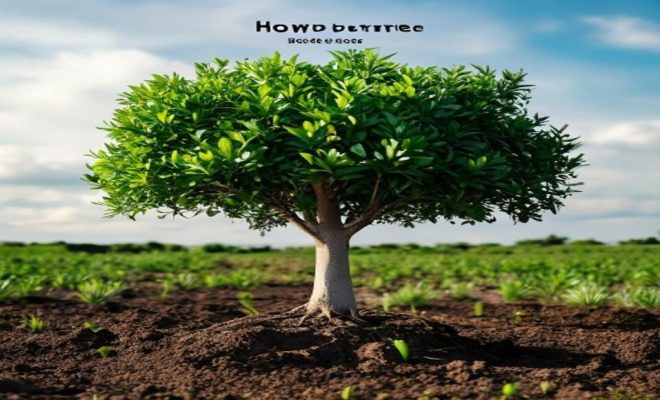
“`html
Introduction: Planting a tree isn’t just a simple act; it’s a powerful contribution to the environment, enhancing beauty in our surroundings, and providing numerous benefits to our ecosystem. Whether you’re aiming to create shade in your backyard, enhance your property’s value, or contribute to a greener planet, knowing how to plant a tree correctly is crucial. This guide will take you through the essential steps, considerations, and techniques for successful tree planting.
1. Understanding the Benefits of Planting Trees
Before you grab a shovel and a sapling, it’s important to appreciate why planting trees matters. Trees play a vital role in our environment. They absorb carbon dioxide, produce oxygen, and provide habitat for wildlife. Additionally, trees can improve air quality, reduce noise pollution, and even combat soil erosion.
According to the U.S. Forest Service, a mature tree can absorb about 48 pounds of carbon dioxide per year, making it a key player in mitigating climate change. Moreover, studies have shown that trees can increase property values by up to 15%, making them not just a benefit to the environment but also a smart investment for homeowners.
But the impacts of trees extend beyond economics. They also contribute to mental well-being. Research indicates that green spaces with trees can reduce stress, promote physical activity, and enhance overall quality of life. Communities with abundant trees often enjoy lower crime rates and stronger social ties among residents.
2. Choosing the Right Tree for Your Location
Choosing the right tree is crucial and depends on various factors, including climate, soil type, and space. Consider your local climate zone and select a tree species that thrives in your area. For example, if you live in a cooler climate, opt for species like the Norway Maple or Eastern Red Cedar, which can withstand lower temperatures.
It’s also essential to look at your soil type and drainage. Conduct a simple soil test to check for pH levels and nutrient content. This information will help you select a tree that will not only survive but flourish in your yard.
Also, consider the tree’s mature size. While a smaller tree might seem ideal for a compact space, larger trees can provide more shade and aesthetic appeal long-term. Additionally, think about the tree’s growth rate. Fast-growing species like the Silver Maple can provide shade quickly, but may require more maintenance due to weaker wood. On the other hand, slower-growing trees like the Oak can take decades to mature but are often sturdier and longer-lived.
3. Picking the Perfect Planting Location
Once you’ve chosen a suitable tree species, the next step is selecting the right spot for planting. Look for a location that gets adequate sunlight, as most trees require full sun for healthy growth. Ensure there’s enough space for the tree to expand its roots and branches without interfering with your home or nearby structures.
Consider the tree’s mature size before planting. A large oak will need significantly more space than a small ornamental tree. Also, avoid areas where water tends to pool, as standing water can lead to root rot.
It’s also essential to be mindful of existing infrastructure, utilities, and the tree’s relationship with neighboring plants. For instance, roots can damage underground pipes, and leaves can clog gutters. A good rule of thumb is to plant trees at least 10-20 feet away from buildings and structures to prevent potential problems.
4. Preparing the Soil for Planting
Proper soil preparation is key to planting a tree successfully. Start by clearing the area of weeds, grass, and debris. Next, dig a hole that is about two to three times wider than the root ball of the tree but only as deep as the root ball itself. This allows the roots to spread out while preventing water from pooling around the base.
As you prepare the hole, mix in some organic compost or well-rotted manure to enhance the soil’s nutrient content. This will give your tree a robust start, helping it establish its roots faster. Additionally, breaking up the soil at the bottom of the hole can help facilitate better drainage.
Don’t forget to consider the soil’s texture. Sandy soils drain quickly but might not retain nutrients well, while clay soils hold moisture but can become compacted, impeding root growth. You may need to amend the soil depending on its current condition to provide a balanced environment for your tree.
5. Planting the Tree
Now comes the exciting part: planting the tree! First, carefully remove the tree from its container, being cautious not to damage the roots. If the roots are tightly bound, gently tease them apart to encourage outward growth. (See: U.S. Forest Service on tree benefits.)
Place the tree in the center of the hole, ensuring that the top of the root ball is level with the surrounding soil. Backfill the hole with the soil you removed, being careful to eliminate air pockets. Water the tree thoroughly after planting to help settle the soil, ensuring it has enough moisture for root establishment.
It’s also a good practice to create a small moat around the base of the tree with soil. This will help collect water during irrigation and heavy rain, allowing it to soak into the ground more effectively. Regularly check to ensure that the tree remains at the right level as you continue to water it in the following weeks.
6. Caring for Your Newly Planted Tree
After you plant a tree, proper care is essential for its development. Initially, your new tree will require regular watering, especially during dry spells. Aim to water deeply about once a week for the first year, allowing the soil to dry slightly between waterings.
Mulching around the base of the tree can significantly aid in moisture retention, suppressing weeds and regulating soil temperature. Use organic mulch like wood chips or bark, but keep it a few inches away from the trunk to prevent rot.
In addition to watering and mulching, regular monitoring for pests and diseases is crucial. Common issues include aphids, caterpillars, and fungal infections. Early detection can help mitigate these problems, enabling you to take action before they become serious threats to your tree’s health.
7. When to Plant a Tree
Timing can greatly affect the success of your tree planting. The best time to plant a tree is typically during the dormant season, which is late fall or early spring. This allows the tree to establish its roots before the heat of summer arrives. However, balled and burlapped trees can often be planted in summer if adequate care is taken.
Climate also plays a crucial role. In warmer areas, spring is ideal to avoid the stress of hot summer temperatures, while in colder climates, planting in early spring or late fall is recommended.
Keep in mind that some trees may have specific planting windows based on their species. For example, fruit trees might perform best if planted in late winter or early spring to ensure a robust growth phase before their growing season begins. Always check the recommendations for your specific tree type.
8. Common Mistakes to Avoid
Even seasoned gardeners can make mistakes when planting trees. One common pitfall is planting too deeply; the root collar (where the roots meet the trunk) should be above the soil line. If it’s buried, the tree might struggle to thrive. Another mistake is over-watering, which can lead to root rot.
It’s also essential to avoid injuring the roots during planting. Be gentle and avoid pulling on them. Lastly, don’t forget to check for invasive pests or diseases that could affect your newly planted tree.
Another common error is neglecting to conduct a site assessment. Before planting, take a moment to evaluate the area. Look for potential hazards like power lines, nearby trees that might compete for resources, or areas prone to flooding. Taking a few steps back to assess the site can save you headaches down the line.
9. The Long-Term Impact of Planting Trees
Planting trees is a long-term commitment that pays off over time. As they mature, trees provide shade, improve property aesthetics, and enhance biodiversity by offering habitats for wildlife. Additionally, they can significantly contribute to carbon sequestration efforts.
Organizations like the Arbor Day Foundation highlight the importance of trees in combating climate change and promoting ecological balance. By planting trees today, you’re not just contributing to your local environment, but also playing a part in global sustainability efforts.
In urban settings, trees can help cool cities, reducing the urban heat island effect. They also play a role in stormwater management, filtering pollutants and reducing runoff. Studies suggest that strategic tree planting in cities can lead to energy savings of up to 30% in air conditioning costs during hot seasons.
10. Tree Planting Techniques: Advanced Tips
Once you’ve mastered the basics of how to plant a tree, you might want to explore advanced techniques to ensure even greater success. Techniques like container planting, planting in raised beds, or using tree shelters can lead to healthier trees.
For instance, container planting involves growing trees in pots before transferring them to the ground, which can be particularly beneficial in challenging soil conditions. Raised beds can improve drainage and soil quality, while tree shelters can protect young trees from harsh weather and herbivores. (See: CDC on health benefits of trees.)
Additionally, consider the use of companion planting. This involves planting compatible species together that can benefit each other. For example, planting nitrogen-fixing plants alongside trees can enhance soil fertility, while certain flowers can attract pollinators that help your trees thrive.
11. Frequently Asked Questions
What type of tree should I plant in my yard?
The best type of tree depends on your location, soil type, and your specific needs. Research local species that are well-adapted to your climate and consider factors like size, growth rate, and maintenance needs.
How deep should I plant a tree?
You should dig a hole as deep as the root ball but two to three times wider. The root collar should be level with or slightly above the soil surface to avoid burying it too deeply.
How do I know when to water my tree?
Water your tree deeply about once a week, especially during dry spells. Check the soil moisture a few inches below the surface; if it’s dry, it’s time to water.
Can I transplant a tree?
Yes, but it’s best to transplant trees when they are young and small. The best time to do this is during dormancy in late fall or early spring. Ensure you dig up as much of the root ball as possible when moving the tree.
What should I do if my tree isn’t growing well?
If your tree isn’t thriving, check for signs of nutrient deficiencies, pests, or disease. Ensure it is getting enough water and sunlight. Soil quality can also impact growth; consider conducting a soil test to see if amendments are needed.
Is it too late to plant a tree?
While the best times to plant are during dormancy, some trees can still be planted in the summer if you can provide proper care, including frequent watering to help them establish roots.
What are the best trees for small yards?
For smaller spaces, consider compact or dwarf varieties of trees, such as Japanese maples, flowering dogwoods, or serviceberry. These trees typically have a smaller footprint while still providing aesthetic beauty and environmental benefits.
How can I ensure my tree thrives in a drought?
To help your tree survive drought conditions, choose drought-resistant species suited for your area. Use mulch to retain moisture, and water deeply but less frequently to encourage deeper root growth. During extreme drought, it’s crucial to monitor your tree closely for signs of stress.
How do trees impact local wildlife?
Trees play a crucial role in supporting local wildlife by providing habitat and food. Birds, insects, and mammals often rely on trees for shelter and sustenance. For instance, oak trees can support hundreds of species of insects, which in turn feed various forms of wildlife.
In summary, learning how to plant a tree properly can lead to years of enjoyment and ecological benefits. By following the guidelines laid out in this article, you can ensure that your trees grow strong and continue to provide value to your home and community for generations to come.
12. Understanding Tree Growth and Lifespan
When planting a tree, it’s essential to understand its growth patterns and lifespan. Different species exhibit varying rates of growth and longevity. For example, fast-growing trees like willows can reach maturity in just a few years, while slower-growing varieties like oaks can take decades to reach their full height.
The lifespan of a tree can vary significantly based on its species and environmental conditions. Some trees, such as redwoods, can live for over a thousand years, while others, like the black locust, may only live for 30 years. Knowing the expected lifespan helps you create a long-term plan for your landscape and manage your tree care effectively.
Understanding the growth pattern also helps in planning the layout of your garden or yard. For instance, consider the height and spread of mature trees when planning for sun exposure for other plants nearby. Additionally, this understanding can influence your decisions about thinning or pruning as your tree matures. (See: Nature article on trees and well-being.)
13. Making Tree Planting a Community Effort
Tree planting can be a fantastic community effort. Organizing community tree-planting events can enhance local green spaces and foster a spirit of cooperation among residents. Local governments, schools, and environmental organizations often welcome volunteers for tree-planting initiatives.
These events can be educational, providing participants with knowledge about the importance of trees, proper planting techniques, and ongoing care. This not only beautifies the area but also fosters a sense of ownership and responsibility among community members, ensuring that the trees are cared for in the years to come.
Additionally, consider engaging schools in tree planting projects. Involving children in planting trees can teach them about ecology and sustainability while instilling a lifelong appreciation for nature. As the trees grow, they serve as living reminders of their contributions to the environment.
14. Tree Planting and Climate Resilience
As climate change becomes an increasing concern, trees play a critical role in enhancing climate resilience. They help regulate temperatures, improve air quality, and sequester carbon, making them vital in mitigating the effects of climate change.
Urban areas, in particular, benefit significantly from tree canopy coverage. Trees can reduce the heat island effect by providing shade and releasing moisture into the air through transpiration. This not only cools the surrounding environment but also reduces energy consumption for cooling buildings.
In addition, trees can help manage stormwater runoff by absorbing rainfall and reducing the risk of flooding. Their root systems stabilize the soil, preventing erosion and promoting water infiltration. Planting trees in strategic locations can create a natural buffer during heavy rain events.
Incorporating climate-resilient tree species into your planting plan can also enhance local ecosystems. Selecting trees that can withstand extreme weather conditions, pests, and diseases is essential for creating a sustainable landscape that will thrive in changing climates.
15. The Role of Technology in Tree Planting
Technology has begun playing an essential role in modern tree planting efforts. From drone technology to advanced soil sensors, tech innovations are helping ensure that trees are planted in optimal conditions. Drones are capable of surveying large areas, helping to identify suitable planting sites and monitor tree health from above.
Mobile apps are also available to assist with tree care, providing reminders for watering, fertilization, and pest control. Some apps even allow you to track the growth of your trees, giving you valuable insights into their health over time.
Furthermore, genetic research is making it possible to develop tree varieties that are more resilient to diseases and pests. These advances can lead to healthier trees that require less maintenance, ultimately resulting in more successful tree planting efforts and a greener future.
“`
Trending Now
Frequently Asked Questions
What are the benefits of planting trees?
Planting trees offers numerous benefits, including improving air quality, absorbing carbon dioxide, and providing habitat for wildlife. They enhance property values, reduce noise pollution, and combat soil erosion. Additionally, trees contribute to mental well-being by creating green spaces that reduce stress and promote physical activity.
How do I choose the right tree for my yard?
Choosing the right tree involves considering your local climate, soil type, and available space. Select species that thrive in your climate zone and ensure they are suitable for your soil conditions. For example, Norway Maple is ideal for cooler climates, while Eastern Red Cedar can also withstand lower temperatures.
What is the best time to plant a tree?
The best time to plant a tree is during the early spring or fall when temperatures are cooler, and rainfall is more frequent. This allows the tree to establish its roots before the stress of summer heat or winter frost. However, specific timing can vary based on your local climate.
How do I properly plant a tree?
To properly plant a tree, start by digging a hole that is twice as wide but no deeper than the root ball. Place the tree in the center, ensuring it is straight and at the correct depth. Backfill with soil, water thoroughly, and add mulch to retain moisture and suppress weeds.
What should I do after planting a tree?
After planting, ensure the tree receives adequate water, especially during its first growing season. Monitor for pests and diseases, and consider adding mulch to retain moisture. Regular pruning and care will help your tree grow strong and healthy over time.
What did we miss? Let us know in the comments and join the conversation.