How to make fairy garden
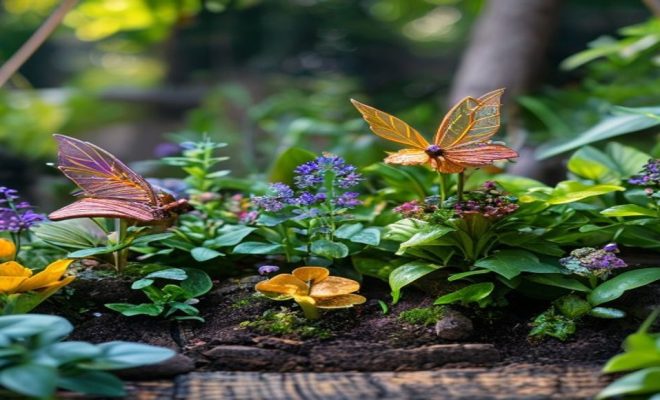
“`html
Creating a fairy garden is a delightful way to bring a touch of magic to your outdoor space. These miniature gardens can be as simple or elaborate as you wish, and they offer an excellent opportunity for creativity and imagination. In this article, we’ll explore ten enchanting fairy garden ideas that will inspire you to craft a whimsical sanctuary that’s perfect for fairies—or anyone who appreciates a little bit of charm in their lives.
1. Choose the Right Location: Setting the Scene
Before you dive into the specifics of fairy garden ideas, it’s crucial to pick the perfect spot. The location should be both visible and accessible, allowing you to appreciate your creation daily. Consider areas that receive a good amount of sunlight, as plants and flowers in your fairy garden will thrive best in well-lit conditions. Additionally, choose a spot where you can easily water your plants and maintain the garden.
Some great locations include:
- Near a porch or patio
- In a flower bed
- On a windowsill
- In a shaded area under a tree
- On a table in your backyard
2. Select Your Container: Finding the Perfect Base
Your fairy garden container can be anything from a traditional flower pot to an old wheelbarrow or even a wooden crate. The choice depends on the size and style you envision for your garden. A shallow container works well to accommodate a variety of plants, while a deeper option can house larger flora.
Make sure any container you choose has drainage holes to prevent excess water from pooling at the bottom, which can harm your plants. If you wish to use something without drainage, consider adding a layer of pebbles at the bottom to help with water flow.
3. Incorporate Fairy Houses: Create a Cozy Abode
Every fairy garden needs a home for its magical inhabitants! Fairy houses come in various styles, from rustic cabins to whimsical cottages. You can purchase these from garden centers or craft stores, or even make your own using natural materials like twigs, leaves, and stones.
When placing the house, consider positioning it slightly off-center to create a sense of movement and intrigue within the garden. Surround it with plants and decorations that enhance its charm and make it feel like a real fairytale dwelling.
4. Add Miniature Furniture: Furnishing Your Fairy Home
To make your fairy garden truly enchanting, consider adding miniature furniture. Items like tiny benches, tables, and chairs can be found in craft stores or online. You can also create your own using materials like twigs or bark.
Placing furniture around your fairy house invites imagination, allowing visitors to visualize the fairies going about their daily lives. It’s a simple addition that can significantly enhance the overall aesthetic of your garden.
5. Choose Your Plants Wisely: Picking the Right Flora
When it comes to fairy garden ideas, selecting the right plants is essential for creating a vibrant scene. Opt for small or dwarf varieties that won’t overpower the tiny structures in your garden. Consider using:
- Succulents
- Miniature roses
- Ground cover plants like moss or creeping thyme
- Small ferns
- Herbs such as thyme, basil, and mint
Mixing colors, shapes, and textures can create a dynamic and visually appealing garden. Be sure to group plants with similar water and sunlight needs to simplify maintenance.
6. Incorporate Pathways: Creating a Sense of Adventure
Pathways are a fantastic way to add depth and character to your fairy garden. You can create these paths using small pebbles, sand, or even pieces of slate. The pathways not only guide the eye through the garden but also add an element of adventure. (See: Understanding garden concepts.)
Consider how the pathways intertwine with your plants and structures. A winding path feels more natural and enchanting, inviting both fairies and visitors to explore every nook and cranny of your garden.
7. Decorate with Natural Elements: Bringing the Outdoors In
Incorporating natural elements can add authenticity and charm to your fairy garden. Think about using stones, pieces of driftwood, or even acorns to enhance the magical atmosphere. These elements can also serve practical purposes, such as providing homes for tiny critters or acting as decorative accents.
Arranging these natural elements in a thoughtful manner can create focal points in your garden. For example, a large rock can serve as a bench for fairies, while a piece of driftwood can mimic a bridge over a tiny stream.
8. Lighting Options: Adding a Magical Glow
Lighting can elevate your fairy garden from charming to enchanting. Consider adding miniature solar lights or fairy lights to create a soft glow during the evening hours. String lights can be draped over branches or around the edges of your container, providing a whimsical atmosphere that beckons fairies to come out and play.
Other options include tiny lanterns or tea lights placed strategically around the garden. Just make sure they’re safe and won’t pose a fire hazard. The right lighting adds an inviting ambiance, making your garden a magical retreat at any time of day.
9. Seasonal Themes: Keeping Things Fresh
One of the exciting aspects of fairy gardens is the ability to change themes with the seasons. You can easily adapt your garden to reflect holidays or seasonal changes. For instance, during spring, you might incorporate pastel flowers and Easter-themed decorations, while in autumn, tiny pumpkins and colorful leaves can create a cozy fall atmosphere.
Switching out decorations not only keeps your fairy garden looking fresh but also allows you to enjoy it year-round. This adaptability invites creativity and offers chances for new fairy garden ideas based on the time of year.
10. Invite Your Imagination: Personal Touches
Ultimately, creating a fairy garden is about inviting your imagination to take flight. Feel free to add personal touches that reflect your personality or interests. Whether it’s a tiny gnome statue, a miniature windmill, or a magical fountain, the possibilities are endless.
Don’t hesitate to involve family and friends in the process, making it a fun and collaborative project. Remember, there’s no right or wrong way to create a fairy garden; the most important thing is to enjoy the process and let your creativity run wild.
11. Finding Inspiration: Resources and Ideas
Getting started with your fairy garden can sometimes feel overwhelming, but plenty of resources can spark your creativity. Consider browsing through gardening books, magazines, or even websites dedicated to gardening. Social media platforms like Pinterest and Instagram are also treasure troves of fairy garden inspiration, showcasing beautiful designs from other enthusiasts.
Visiting botanical gardens can provide real-life examples of how plants and structures can work together. Often, these gardens have sections dedicated to miniature displays that can give you fresh ideas. Workshops at local garden centers or community events can also be a great way to learn new techniques and meet fellow fairy garden creators.
12. Choosing a Theme: Fairy Garden Styles
Themed fairy gardens can add an extra layer of fun and imagination to your project. Whether you’re drawn to a specific story, culture, or personal interest, creating a cohesive theme can help guide your choices. Here are some ideas:
- Enchanted Forest: Use dark, rich colors and plants that evoke a woodland setting. Incorporate mushrooms, toadstools, and fairy houses made of bark.
- Beach Paradise: Use sand, seashells, and beach-themed decorations like tiny surfboards and beach chairs. Succulents or seaside plants can enhance this theme.
- Victorian Cottage: Choose pastel flowers, lace-like ferns, and classic miniature furniture to evoke a vintage feel. Add details like a tiny tea set for authenticity.
- Magical Garden: Focus on bright colors and whimsical decorations. This theme allows for a variety of fairy statues, magical creatures, and sparkling decorations.
Choosing a theme enables you to focus your design choices and enhances the overall storytelling aspect of your fairy garden. (See: Research on plant growth conditions.)
13. Building Fairy Houses: A DIY Approach
If you’re feeling crafty, making your own fairy houses can be a rewarding experience. Consider using natural materials such as twigs, stones, and pinecones to create unique structures. Here’s a quick guide to building a simple fairy house:
- Collect Materials: Gather twigs, leaves, moss, and small stones. You can also use glue, scissors, and a base like a small piece of wood.
- Construct the Base: Start with a flat base to build on. You can use a piece of wood or a large stone.
- Build the Walls: Arrange twigs vertically, securing them with glue or string. Make sure to leave space for a doorway.
- Add a Roof: Use larger twigs to create a roof, which can be shaped like a peak or a flat style, depending on your design.
- Decorate: Adorn your house with moss, pebbles, or even tiny flowers to complete the whimsical look.
Creating a fairy house from scratch not only gives you a unique piece for your garden but also allows you to infuse your personality into your fairy world.
14. Water Features: Adding Tranquility
Including a small water feature can transform your fairy garden into a serene retreat. Whether it’s a miniature pond, a tiny waterfall, or a birdbath, the sound of water can be soothing and attract local wildlife. You can create a pond using a shallow container filled with water and surrounded by rocks and plants.
To create a waterfall effect, you might consider using a small pump that circulates water through a series of stones or a pre-made fountain designed for outdoor use. Remember to choose materials that blend well with the overall theme of your garden.
Water features not only add beauty but also an element of life, drawing in birds or butterflies that further enhance the magical atmosphere.
15. Expert Tips for Maintaining Your Fairy Garden
Once you’ve created your enchanting fairy garden, maintaining it is key to keeping it looking its best. Here are some pro tips for care:
- Watering: Regularly water your plants, but be cautious not to overwater. Check the soil moisture before adding more water.
- Pruning: Trim back any dead or overgrown plants to keep the garden looking neat. This promotes healthy growth and can prevent diseases.
- Cleaning: Remove debris, leaves, and any unwanted pests. A clean garden is more inviting and healthier for your plants.
- Seasonal Changes: As seasons change, be prepared to swap out plants or decorations to reflect the new season, ensuring your fairy garden stays vibrant throughout the year.
16. Frequently Asked Questions
Here are some common questions about fairy gardens that can help you as you embark on your magical gardening journey:
What plants are best for fairy gardens?
Small plants like succulents, dwarf varieties of flowers, and herbs work well in fairy gardens. Choose plants that thrive in your local climate and consider their growth habits and sunlight needs.
Can I create a fairy garden indoors?
Absolutely! Fairy gardens can thrive indoors on windowsills, shelves, or even in terrariums. Just ensure that the plants you choose are suitable for indoor growth and receive enough light.
How do I ensure my fairy garden is safe for children and pets?
To keep your fairy garden safe, avoid using any toxic plants and ensure that small decorative items are large enough to prevent choking hazards. Using natural materials can also reduce the risk of harmful chemicals.
How do I attract real fairies to my garden?
While fairies are mythical creatures, you can create a magical atmosphere that invites the spirit of fairies. Adding elements like wind chimes, colorful flowers, and twinkling lights can create a whimsical environment that feels enchanting.
17. Incorporating Miniature Animals: Bringing Your Garden to Life
Adding miniature animals can enhance the charm of your fairy garden. You can find tiny figurines of rabbits, deer, hedgehogs, and even butterflies to create a lively scene. These little creatures can act as companions to the fairies, adding an extra layer of storytelling to your garden. (See: Benefits of gardening for health.)
Try to arrange these animals in natural poses, like a rabbit peeking out from behind a flower or a bird perched on a branch. This way, it feels like they are part of the fairy garden’s magical happenings, creating a more immersive experience for onlookers.
18. Creating a Fairy Garden Journal: Documenting Your Journey
As you embark on your fairy garden adventure, consider keeping a fairy garden journal. This can be a place where you document your ideas, plant choices, and design changes. You can include notes on the plants’ growth patterns, the seasons’ impact on your garden, and any challenges you encounter along the way.
Additionally, you can sketch your designs, add clippings from gardening magazines, or paste photos of your garden. This journal can serve as a great reference for future projects and can inspire others who want to dive into the wonderful world of fairy gardens.
19. Hosting a Fairy Garden Party: Sharing the Magic
Once your fairy garden is complete, why not share it with friends and family? Hosting a fairy garden party can be a fun way to celebrate your creation and inspire others. You can invite guests to make their own miniature gardens or simply enjoy the whimsical atmosphere of yours.
Consider offering themed snacks, like flower-shaped cookies or fruit skewers that resemble garden picks. You might even have a crafting station where guests can create tiny decorations or furniture for their fairy gardens to take home. This interactive experience can deepen connections with nature and creativity while spreading the joy of fairy gardening.
20. Exploring Fairy Garden Kits: Convenience and Creativity
If you’re just starting or looking for a hassle-free way to create a fairy garden, consider investing in a fairy garden kit. These kits often come with everything you need, including containers, plants, decorative items, and detailed instructions.
Using a kit can save time and help you learn the basics of fairy gardening. Once you feel confident, you can start experimenting with your own ideas and designs. Kits are also a great way to introduce children to gardening, as they provide a structured yet creative outlet.
In summary, fairy garden ideas are limited only by your imagination. By choosing the right location, incorporating unique elements, and adding personal touches, you can create a magical space that brings joy and wonder to your life. So grab your gardening gloves, unleash your creativity, and embark on the enchanting journey of fairy gardening!
“`
Trending Now
Frequently Asked Questions
What do you need to make a fairy garden?
To create a fairy garden, you need a suitable container, soil, plants, fairy houses, and decorative elements. Choose a location that gets sunlight and is easily accessible for maintenance.
How do you choose a location for a fairy garden?
Select a location that is visible and receives ample sunlight to help your plants thrive. Ideal spots include near porches, in flower beds, on windowsills, or even shaded areas under trees.
What containers can I use for a fairy garden?
You can use various containers for a fairy garden, such as traditional flower pots, wooden crates, or even old wheelbarrows. Ensure the container has drainage holes or add pebbles for water flow.
How can I make a fairy house for my garden?
You can purchase fairy houses from garden centers or craft stores, or you can make your own using natural materials like wood, stones, or clay. The style can be rustic or whimsical to match your garden theme.
What plants are best for a fairy garden?
Opt for small, low-maintenance plants that fit well in miniature settings, such as moss, succulents, or small flowering plants. Consider their sunlight and water needs to ensure they thrive in your fairy garden.
Have you experienced this yourself? We’d love to hear your story in the comments.