Master the Art of Table Setting: A Complete Guide
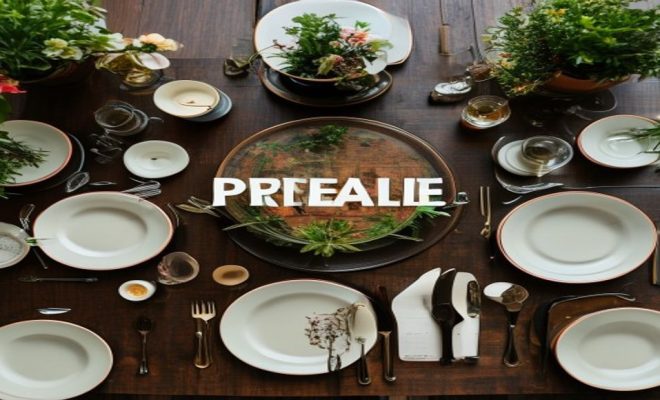
“`html
Setting a table isn’t just about placing utensils and plates; it’s an art form that can enhance the dining experience, making meals more enjoyable and elegant. Whether you’re hosting a formal dinner party, a casual gathering, or simply enjoying a family meal, understanding the right table setting techniques can transform the occasion. This comprehensive guide will walk you through the essentials of table setting, from the basics to advanced techniques, ensuring you’re always prepared for any dining situation.
1. The Importance of Table Setting
Table setting plays a crucial role in how we experience meals. A well-set table can create an inviting atmosphere, set the mood for the occasion, and even influence how food tastes. Studies have shown that the environment in which we eat can affect our appetite and enjoyment. When the table is elegantly arranged, guests feel more valued and appreciated, which can enhance their overall experience.
Moreover, proper table setting is a reflection of your hospitality. It showcases your attention to detail and thoughtfulness in preparing for guests. Whether it’s a special occasion or a simple weeknight dinner, the way the table is set can communicate warmth and care.
2. Basic Table Setting Techniques
At the foundation of effective table setting are the basic elements: plates, utensils, glasses, and napkins. Understanding how to arrange these items correctly is essential. Start with the dinner plate, which should be centered on the table setting. Next, place the fork to the left of the plate and the knife to the right, with the blade facing the plate. If you’re including a salad plate, it can sit on top of the dinner plate.
Glasses are placed above the knife, with the water glass directly above the knife and any wine glasses positioned to its right. Napkins can be folded neatly and placed on the center of the plate or to the left of the forks. This simple arrangement sets a solid foundation for both casual and formal dining experiences.
3. Formal Table Setting Techniques
For more formal occasions, the rules of table setting become slightly more intricate. The classic formal setting includes multiple utensils and plates for courses served throughout the meal. In addition to the basic arrangement, you would typically include a soup spoon to the right of the knife and a salad fork to the left of the dinner fork.
Use a charger plate as a base, which is a larger decorative plate placed under the dinner plate. This not only adds elegance but also serves a practical purpose, helping to keep the table clean during the meal. Place your dessert fork above the plate horizontally and ensure that each glass is sparkling clean and appropriately positioned. A formal table setting requires attention to detail, but the result is a dining experience that feels truly special.
4. Casual Table Setting Techniques
Casual dining doesn’t have to mean a lack of elegance. A casual table setting can still be visually appealing and inviting without the complexity of a formal arrangement. Start with the basics: a dinner plate, silverware, and a drinking glass. You can simplify the arrangement by using fewer utensils—sometimes just a fork and knife will suffice.
For a relaxed atmosphere, consider using colorful or themed dishes and glasses. Add a cloth napkin for a touch of sophistication, and if the meal allows, place serving dishes in the center for family-style dining. A casual setting is about comfort, so ensure that everything feels approachable while still looking nice.
5. Understanding Different Types of Utensils
Each utensil serves a specific purpose, and knowing how to use them can elevate your table setting. Generally, the types of utensils you’ll encounter include forks, knives, spoons, and specialized items like salad forks or seafood forks. A standard three-course meal might include a soup spoon, a salad fork, and a dinner fork, whereas a dessert spoon or fork is often placed above the main setting.
It’s also important to consider the material of your utensils. While stainless steel is commonly used for its durability and ease of maintenance, more formal settings might call for silver or gold-plated utensils. The choice of material can contribute significantly to the overall aesthetic of your table.
6. Choosing the Right Glassware
Glassware selection is another key element in mastering table setting techniques. The type of drinks being served will dictate your glassware choices. For instance, if you’re serving wine, you’ll need distinct red and white wine glasses; a champagne flute for bubbly; and a highball glass for cocktails. Each glass type enhances the drinking experience by improving aroma and flavor. (See: importance of table setting.)
When arranging your glassware, remember that the water glass should always be the largest and is typically placed above the knife, with the wine glasses positioned to the right. This arrangement not only looks appealing but also ensures convenience for your guests when reaching for their drinks.
7. Napkin Folding Techniques
Napkin folding can add a significant visual impact to your table setting. There are many techniques, ranging from simple to elaborate. For instance, the basic napkin fold involves a simple rectangle fold that can be placed beside the cutlery or on the plate. More intricate designs like the fan or the pocket fold can be used to impress your guests and add a unique touch to your dining experience.
Using cloth napkins instead of paper enhances the elegance of your setting and is more environmentally friendly. Additionally, consider matching the napkin color or pattern to your table decor for a cohesive look. A well-folded napkin can serve as a conversation starter and adds a personal touch to the table.
8. Seasonal and Thematic Table Settings
Different seasons or themes can dictate your table setting style. For example, during the winter holidays, a festive table setting might incorporate colors like red and green with decorative centerpieces and themed dishware. In contrast, a summer barbecue might call for lighter colors and more casual tableware.
Consider the overall theme of your gathering when choosing table settings, including tablecloths, centerpieces, and even the type of food you’ll serve. Aligning your table setting with the event’s theme can create a cohesive and memorable dining experience for your guests.
9. Innovative Table Setting Ideas
To stand out with your table setting, think outside the box. Incorporate unexpected elements like natural materials such as wood, stone, or plants to create a rustic vibe. You could also use vintage china or mismatched glassware to add a whimsical touch to your table.
Utilizing technology can also enhance your dining experience. Consider using table settings that have built-in LED lights for an ambient glow or even digital placemats that can provide information about the food being served. The key is to blend functionality with creativity to craft memorable experiences for you and your guests.
10. Final Thoughts on Table Setting Techniques
Mastering table setting techniques is about more than just aesthetics; it’s about creating an atmosphere that enhances the dining experience. By understanding the nuances of table arrangement, from basic to formal, you can impress your guests and show your culinary skills in their best light. Remember, the key to a great table setting lies in attention to detail and the intention behind your arrangements.
Ultimately, whether you’re planning a lavish dinner party or a casual family meal, the way you set your table can make all the difference. So, next time you’re preparing to host, remember these techniques to elevate your dining experience to new heights.
11. Table Setting Techniques Around the World
Table setting techniques can vary widely across different cultures, reflecting regional customs and dining etiquette. For example, in Japan, traditional meals often utilize small plates and bowls, emphasizing the aesthetic appeal of simplicity and balance. Japanese table settings might include chopsticks placed on a chopstick rest, which is a consideration not commonly found in Western settings.
In contrast, a traditional Italian table setting might feature a larger array of courses, often served in multiple stages. Italians take pride in their meals, and a typical table might showcase an array of antipasti before moving on to pasta, and finally, a meat course. This elaborate approach emphasizes the importance of food presentation and the communal aspect of dining.
Understanding these cultural differences not only enriches your knowledge of global dining practices but also can inspire unique table settings that reflect your appreciation for culinary diversity.
12. Eco-Friendly Table Setting Techniques
As sustainability becomes increasingly important in our daily lives, eco-friendly table setting techniques are gaining popularity. Choosing biodegradable tableware or using reusable cloth napkins and tablecloths can greatly reduce waste. Consider sourcing local and seasonal ingredients for your meals, which can also influence how you set your table. (See: setting the table for success.)
Incorporating elements from nature, such as potted herbs or flowers, not only beautifies your setting but also aligns with eco-conscious values. Using items like bamboo utensils or recycled glassware can be both stylish and sustainable, providing a fresh perspective on table setting.
13. Expert Tips for Hosting
Hosting an event can be a daunting task, but a well-set table can alleviate some of the stress. Here are some expert tips to keep in mind:
- Plan Ahead: Lay out your table setting a day before the event. This gives you time to make adjustments and ensure everything is in place.
- Mix and Match: Don’t be afraid to blend different styles. A mix of formal and casual elements can create a unique and personalized setting.
- Candles for Atmosphere: Soft lighting can dramatically change the mood. Use candles of varying heights for a warm glow.
- Check the Comfort: Ensure there’s enough space between settings for guests to eat comfortably. A crowded table can detract from the experience.
14. FAQs About Table Setting Techniques
What is the most important aspect of table setting?
The most important aspect is ensuring that your table is organized and that each guest has easy access to their utensils and glassware. Comfort and functionality are key to enhancing the dining experience.
How can I make a casual table setting look elegant?
Focus on simple details such as using high-quality napkins, selecting a cohesive color scheme, and adding a centerpiece like fresh flowers. You can also use nice tableware, even for casual meals, to elevate the overall appearance.
Is it necessary to use a tablecloth?
While not mandatory, a tablecloth can add elegance and protect the table surface. It can also enhance your color scheme and tie your table setting together. If you’re going for a more casual look, consider placemats instead.
How should I arrange cutlery for a multi-course meal?
For a multi-course meal, arrange cutlery from the outside in. Place your utensils for the first course farthest from the plate, with each subsequent course’s utensils placed closer to the plate. Remember that forks generally go on the left, and knives and spoons on the right.
Can I use mismatched dishes?
Absolutely! Mixing and matching dishes can create a charming and personalized table setting. Just ensure there is some cohesion in color or style to keep it looking intentional rather than chaotic.
What is the best way to store tableware?
Store tableware in a cool, dry place to prevent damage from moisture. Use dividers or soft cloths to separate items and prevent scratches. For fine china, consider using padded storage boxes for added protection.
15. Enhancing Your Table Setting with Centerpieces
Centerpieces can serve as the focal point of your table setting, adding depth and interest to the visual appeal. When choosing a centerpiece, consider the occasion and the overall theme of your gathering. For formal events, a floral arrangement in an elegant vase might be appropriate. In contrast, a casual gathering could benefit from a simple bowl of fresh fruits or a cluster of candles.
It’s essential to ensure your centerpiece doesn’t obstruct conversation. Choose heights and designs that allow guests to see each other across the table. Low arrangements are often best for casual settings, while taller centerpieces can add drama to formal occasions.
Seasonal themes can also inspire your centerpiece choices. For example, pumpkins or gourds can create a lovely autumn vibe, while fresh flowers in vibrant colors can brighten up a summer meal. (See: guide to table setting techniques.)
16. The Role of Table Linens
Table linens, including tablecloths, runners, and napkins, can dramatically affect the look of your table. They provide texture, color, and a certain warmth to the setting. The choice of fabric can also set the tone; for instance, cotton or linen is excellent for casual meals, while silk or satin can elevate a formal dinner.
When selecting table linens, consider the color scheme of your table setting. You can either choose a contrasting color to make a bold statement or a complementary hue for a more harmonious look. Patterns can add visual interest, but be sure they don’t clash with your dinnerware.
Additionally, using a table runner can create a layered effect, allowing you to mix and match different colors and textures without overwhelming the table. Runners can be a great way to introduce different elements, such as a themed fabric that matches your overall décor.
17. Trends in Table Setting Techniques
The world of table setting is always evolving, influenced by changing tastes and cultural shifts. Currently, there is a trend toward more sustainable practices. This includes using vintage or thrifted tableware as a way to reduce waste while also creating a unique and personal touch.
Another growing trend is the use of minimalism. A minimalist table setting focuses on simplicity, with fewer elements that make a strong impact. This can be achieved with monochromatic color schemes and clean lines in both dinnerware and centerpieces.
Colorblocking is also gaining popularity, where contrasting colors are used boldly across the table setting. It’s a fun way to express personality and creativity, making the dining experience not only delicious but visually stimulating as well.
18. Conclusion: The Art of Table Setting
Mastering table setting techniques is a rewarding endeavor that enhances the dining experience for you and your guests. From understanding the basics to embracing innovative ideas and cultural practices, the ability to set a beautiful table is a skill that showcases your creativity and hospitality. By paying attention to details such as placement, color, and theme, you can create an inviting atmosphere that makes every meal feel special.
The art of table setting invites you to explore your own style, whether through classic elegance, casual charm, or contemporary flair. So go ahead and experiment with your table settings, and don’t be afraid to let your personality shine through. After all, a beautifully set table is not just about the food; it’s about the connections and memories that are created around it.
“`
Trending Now
Frequently Asked Questions
What are the basic table setting rules?
The basic table setting rules include placing the dinner plate in the center, the fork to the left, and the knife to the right with the blade facing the plate. Glasses should be positioned above the knife, and napkins can be placed on the plate or beside the forks.
Why is table setting important?
Table setting is important as it enhances the dining experience, creates an inviting atmosphere, and reflects your hospitality. A well-set table can influence how food is perceived and enjoyed, making guests feel valued and appreciated.
How do you set a formal dining table?
To set a formal dining table, start with a clean tablecloth, place dinner plates at each setting, arrange forks to the left and knives to the right, and include any additional plates like salad plates. Position glasses above the knife and neatly fold napkins for presentation.
What items are needed for a basic table setting?
A basic table setting requires dinner plates, utensils (forks, knives, spoons), glasses for drinks, and napkins. These elements should be arranged thoughtfully to create an elegant and functional dining experience.
How can I make my table setting more elegant?
To make your table setting more elegant, consider using decorative tableware, adding centerpieces, and incorporating elements like folded napkins or themed decor. Pay attention to color coordination and ensure everything is neatly arranged to enhance the overall look.
What’s your take on this? Share your thoughts in the comments below — we read every one.