The Race for Energy: How AI’s Future Hinges on Electricity, Not Chips

“`html
The New Bottleneck: AI Energy Consumption
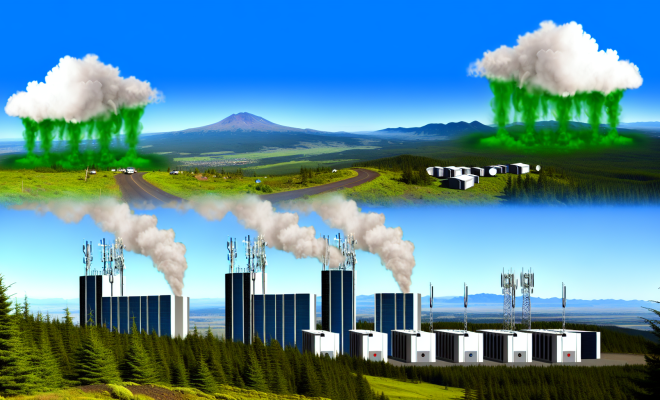
As artificial intelligence (AI) continues to proliferate, reshaping industries and prompting rapid technological advancements, a critical shift has occurred in the tech landscape. The focus has transitioned from securing silicon chips to securing electricity. Major players like NVIDIA, Google, Microsoft, and Amazon are facing a monumental challenge: they need vast amounts of energy to fuel their AI ambitions, and it’s no longer just about chip availability. This urgent demand for power has ignited discussions around AI energy consumption and the pivotal role that energy infrastructure will play in the tech revolution.
Tech Giants Pivoting to Nuclear Energy
The new energy landscape necessitates a reevaluation of traditional energy sources, with several tech giants exploring nuclear energy as a viable solution. The allure of nuclear power lies in its ability to provide a steady, reliable, and significant amount of energy, essential for operating expansive data centers that support AI operations. Companies like Google and Microsoft are actively investigating nuclear solutions as they expand their cloud services and AI capabilities, recognizing that the current energy grid may not suffice to meet their growing needs.
Nuclear Energy: A Sustainable Choice
Nuclear energy stands out as a powerful alternative due to its low carbon emissions and high energy density. Unlike fossil fuels, which contribute to greenhouse gas emissions and climate change, nuclear power offers a clean energy solution that aligns with the sustainability goals many tech companies are striving to achieve. With the world increasingly focusing on reducing its carbon footprint, nuclear energy presents a compelling option for tech giants looking to cut down on their environmental impact while still satisfying their energy demands.
Orbital Launches to Establish Energy Infrastructure
In a bold move towards addressing their energy needs, some companies are planning an astounding 44 orbital launches within just six months. These launches are designed to deploy energy infrastructure that can support the substantial energy requirements of modern AI technology. By leveraging satellite technology and innovative energy solutions, these tech giants aim to create a more resilient and flexible energy grid, capable of supporting the insatiable appetite for electricity that AI-driven applications demand.
Rethinking Energy Consumption in AI Development
AI energy consumption is becoming a critical conversation among industry leaders and investors alike. The realization that energy, not silicon, is the new limiting factor in AI development has sparked a ‘fear of missing out’ among those invested in the future of technology. If AI firms cannot secure the necessary energy resources, they risk stagnating growth and missing out on opportunities that could reshape entire sectors. This urgency has led to innovative thinking and investment in sustainable energy solutions.
Impacts on Investment Strategies
As the conversation around AI energy consumption heats up, investors are beginning to pivot their strategies. Rather than solely focusing on chip production companies, investors are now looking at energy firms, especially those involved in nuclear and renewable energy. This shift signifies an acknowledgment of the fundamental role energy plays in the tech landscape. Companies that can leverage reliable energy sources may find themselves at a competitive advantage, attracting investors eager to be part of the next wave of technological innovation.
The Business Case for Energy Transition
The rising demand for energy has prompted tech companies to consider the overall business case for transitioning to nuclear and other sustainable energy sources. By investing in nuclear energy, companies can potentially lock in lower costs, avoid the volatility associated with fossil fuel markets, and enhance their public image through commitment to sustainability. These factors are increasingly attractive to consumers and investors, making the transition to alternative energy not only an ethical decision but a financially strategic one.
Public Perception and the Nuclear Debate
Despite the clear benefits of nuclear energy, public perception remains a significant hurdle. Historical incidents, such as Chernobyl and Fukushima, have left a lasting impact on how people view nuclear power. Tech companies will need to navigate these perceptions carefully, ensuring that they communicate the safety advancements and benefits of modern nuclear technology effectively. Engaging with communities and stakeholders will be crucial in fostering trust and support for nuclear energy initiatives, especially as these companies seek to build new infrastructure.
The Future of AI and Energy: A Critical Intersection
The intersection of AI and energy consumption is one of the most critical issues facing the tech industry today. As AI technologies evolve, they will demand increasingly sophisticated and substantial energy supplies. The industry’s pivot towards nuclear energy is not just a short-term solution; it’s a long-term strategy that could define the future of AI development. By securing reliable energy sources, tech giants can ensure that their innovations continue to thrive, driving growth and creating countless opportunities across various sectors. (See: Nuclear Energy Fact Sheet.)
Conclusion: The Path Forward
The evolving narrative surrounding AI energy consumption emphasizes the urgent need for a robust energy strategy in the tech industry. As companies like NVIDIA, Google, Microsoft, and Amazon adapt to new realities, the emphasis on nuclear energy presents a promising solution to the challenges posed by increasing power demands. By investing in sustainable energy sources and innovative infrastructure, these tech giants can position themselves to lead in an increasingly energy-dependent future. The question now is, will the industry adapt quickly enough to harness the full potential of AI without stalling due to energy constraints?
Understanding AI Energy Consumption: Statistics and Trends
To better grasp the implications of AI energy consumption, it’s helpful to look at some numbers. The energy footprint of AI models is staggering. For instance, training a single AI model can emit as much as 626,000 pounds of carbon dioxide, comparable to a car’s lifetime emissions. Additionally, a recent study indicated that the global data center sector, integral to AI processing, accounts for about 1% of global electricity consumption. This number is projected to rise as more companies adopt AI technologies and increase their data processing capacities.
Expert Perspectives on AI Energy Consumption
Experts in the field are increasingly vocal about the need to address AI energy consumption. Dr. Kate Crawford, a leading AI researcher, warns that if the energy demands of AI continue unchecked, they could lead to significant environmental repercussions. She emphasizes that understanding the energy cost of AI isn’t just an ethical consideration but a fundamental aspect of responsible AI development. Similarly, energy analysts suggest that without a strategic focus on energy efficiency, the tech industry could face severe constraints in the coming years.
Comparing Energy Sources: Pros and Cons
While nuclear energy is a focal point, it’s essential to compare it with other energy sources. Here’s a brief overview:
- Nuclear Energy: High energy density, low emissions, but faces public perception issues and high initial infrastructure costs.
- Renewable Energy: Solar and wind are clean and sustainable but may not provide the consistent energy required for AI operations without significant storage solutions.
- Fossil Fuels: Currently abundant and economically feasible, but they contribute to greenhouse gas emissions and climate change, making them less viable long-term.
This comparison highlights the complexities of selecting the right energy source for AI development, where reliability and sustainability must be balanced.
Innovative Solutions for Reducing AI’s Energy Footprint
In addition to transitioning to nuclear energy, there are innovative approaches to manage and reduce AI energy consumption. Techniques such as model pruning, quantization, and efficient training algorithms can significantly lower the energy required to train AI systems. For example, researchers have developed methods that allow AI models to be trained with fewer resources and time, making them more energy-efficient. Moreover, companies are increasingly investing in energy-efficient hardware designed specifically for AI workloads, which can dramatically reduce overall energy consumption.
FAQs on AI Energy Consumption
What is AI energy consumption?
AI energy consumption refers to the amount of electrical energy required to train, run, and maintain artificial intelligence systems, including data processing and storage requirements.
How does AI energy consumption impact the environment?
The environmental impact is significant, as increased energy consumption typically leads to higher carbon emissions, especially if fossil fuels are the primary energy source. This can contribute to climate change and other environmental issues.
What are some ways to reduce AI energy consumption?
Strategies include optimizing algorithms, utilizing more energy-efficient hardware, employing renewable energy sources, and implementing better data management practices to minimize unnecessary calculations.
Why are tech companies considering nuclear energy?
Nuclear energy provides a reliable, high-density energy source with low carbon emissions, making it an attractive option for tech companies needing to meet the growing energy demands of AI technologies.
What role do investors play in addressing AI energy consumption?
Investors are increasingly focusing on energy firms and sustainable energy solutions, recognizing that securing reliable energy sources is essential for the growth of AI technologies. Their investment strategies are adapting to reflect the importance of energy in tech advancements. (See: Nuclear Energy and AI Future.)
How can public perception of nuclear energy be improved?
Improving public perception requires effective communication about the safety and advancements in nuclear technology, as well as community engagement efforts to build trust and support for nuclear energy initiatives.
The Road Ahead: Collaborations and Partnerships
To address the challenges of AI energy consumption effectively, collaboration between tech companies, energy providers, and policymakers is essential. Joint initiatives can lead to the development of sustainable energy infrastructure that meets the needs of the AI sector. For example, partnerships between tech giants and energy startups focusing on innovative energy solutions can accelerate the transition to more sustainable energy sources. Additionally, collaborations with research institutions can drive advancements in energy-efficient AI technologies, further reducing the sector’s overall energy footprint.
Final Thoughts: A Sustainable Future for AI
The future of AI hinges not only on technological advancements but also on how the industry adapts to its energy consumption challenges. By investing in sustainable energy sources like nuclear power and fostering innovation in energy efficiency, tech companies can secure a leading role in the upcoming energy landscape. As we move forward, the synergy between AI development and energy consumption will play a crucial role in shaping a sustainable future for technology and the environment.
The Economic Impact of AI Energy Consumption
The economic implications of AI energy consumption extend well beyond the tech giants themselves. As energy demands soar, the cost of electricity is likely to rise, affecting everything from consumer prices to international trade. A study by the International Energy Agency (IEA) estimates that energy costs could add up to $10 trillion in capital investment in the next decade to meet the energy needs of the AI sector. This rising cost may lead businesses to rethink their strategies, potentially prioritizing energy-efficient operations or relocating to regions with more favorable energy policies and costs.
Long-term Sustainability Goals and AI Energy Consumption
Long-term sustainability goals are increasingly becoming a priority for organizations, particularly as discussions about climate change and environmental stewardship gain traction. Many tech companies are setting ambitious goals to reduce their carbon footprint and transition to renewable energy sources. A report from the World Economic Forum indicates that by 2030, over 90% of the world’s electricity could come from renewable sources, up from 30% today. However, achieving these goals requires a concerted effort to manage AI energy consumption, which is often at odds with the push for growth and innovation in the tech industry.
Challenges in Implementing Sustainable Energy Solutions
While the transition to nuclear and renewable energy sources presents an array of benefits, several challenges must be addressed. The construction of nuclear plants takes a significant amount of time and capital, and public opposition can stall or even derail projects. Additionally, renewable energy sources like solar and wind rely on favorable weather conditions, introducing variability that can complicate energy supply. These factors necessitate the development of advanced energy storage technologies to ensure a stable energy supply for AI applications.
Global Perspectives on AI Energy Consumption
The challenges and opportunities of AI energy consumption are not confined to the United States. Countries worldwide are grappling with similar issues, each with unique energy landscapes. For instance, China is investing heavily in renewable energy technologies and is also the largest producer of solar panels. On the other hand, countries like Germany are facing backlash in their transition to renewables due to rising energy prices and supply chain issues. Understanding these global dynamics is crucial for tech companies looking to expand internationally while managing their energy consumption and sustainability commitments.
Future Technological Innovations in Energy Management
As the industry progresses, new technologies are emerging to help manage energy consumption more effectively. Innovations like AI-driven energy management systems are enabling companies to optimize their energy use in real-time. These systems can analyze consumption patterns and adjust operations accordingly, leading to significant energy savings. Moreover, advancements in battery technology, such as solid-state batteries, promise to improve energy storage, allowing for better integration of intermittent renewable energy sources into the grid, ultimately benefiting AI operations.
The Role of Policy and Regulation in AI Energy Consumption
Government policies and regulations play a vital role in shaping the landscape of AI energy consumption. Incentives for renewable energy adoption, subsidies for nuclear energy projects, and stricter emissions regulations can all influence how tech companies approach their energy strategies. Policymakers must strike a balance between encouraging innovation and ensuring sustainable practices. The establishment of clear guidelines and support for green technologies will be essential in fostering an environment conducive to sustainable AI energy consumption. (See: Sustainable Energy Solutions.)
FAQs: Understanding the Nuances of AI Energy Consumption
What are the main contributors to AI energy consumption?
The main contributors include data centers, model training, and running AI algorithms, all of which require substantial computational power and, consequently, electricity.
How can AI be used to optimize energy consumption itself?
AI can analyze and predict energy consumption patterns, enabling more efficient use of resources and reducing waste in various sectors, including manufacturing, transportation, and residential energy use.
What role do academic institutions play in the discussion of AI energy consumption?
Academic institutions often conduct crucial research into energy-efficient AI technologies and contribute to the public discourse on sustainable practices. Their findings can inform both industry practices and policy decisions.
How are consumer expectations shaping AI energy consumption strategies?
As consumers become more environmentally conscious, they expect companies to prioritize sustainability. This pressure is pushing tech firms to adopt greener practices in AI development and energy consumption.
What are the implications of a shortage in energy supply for AI development?
A shortage in energy supply could slow down AI innovation, as companies may not be able to run complex models or maintain data centers, leading to a potential stagnation in technological advancement.
Conclusion: Embracing Change for a Sustainable AI Future
As we look ahead, the integration of AI into society will inevitably come with challenges, particularly concerning energy consumption. However, by embracing sustainable practices, investing in innovative technologies, and fostering collaborative efforts among stakeholders, the tech industry can pave the way for a future where AI not only advances our capabilities but also respects and preserves our environment. The intersection of AI and energy consumption is a critical frontier that will shape the future of technology for generations to come.
“`
Trending Now
Frequently Asked Questions
Why is AI's future dependent on electricity?
As AI technology advances, it requires increasingly vast amounts of energy to operate efficiently. The shift from focusing on silicon chips to securing electricity is crucial for tech companies to sustain their AI ambitions and innovations.
How are tech giants addressing energy consumption for AI?
Tech giants like NVIDIA, Google, and Microsoft are exploring alternative energy sources, particularly nuclear energy, to meet the high energy demands of AI operations. This shift aims to ensure they have the necessary power to support their expanding AI capabilities.
What role does nuclear energy play in the tech industry?
Nuclear energy offers a reliable and low-carbon power source, making it an attractive option for tech companies looking to enhance their energy infrastructure. It helps reduce greenhouse gas emissions while providing the substantial energy required for data centers supporting AI.
Why are companies moving away from traditional energy sources?
Companies are reevaluating traditional energy sources due to the increasing energy demands of AI technologies and the need for sustainable solutions. Nuclear energy provides a clean alternative that aligns with their environmental goals and helps mitigate climate change.
What challenges do tech companies face with energy supply?
Tech companies face the challenge of securing sufficient energy to support their AI operations amid growing demands. As the current energy grid may not be adequate, companies are seeking innovative solutions, including nuclear power, to ensure a stable energy supply.
What did we miss? Let us know in the comments and join the conversation.