How to bypass iPhone activation lock
“`html
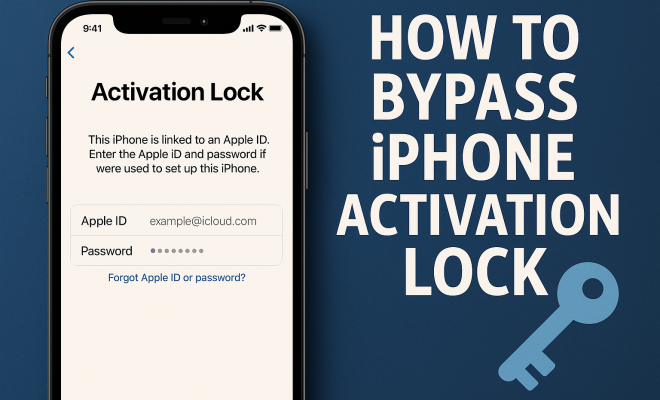
The iPhone activation lock is a powerful security feature designed to protect your device and personal information. While it’s a great deterrent for theft, it can create significant headaches for legitimate users who find themselves locked out. If you’re looking for ways to bypass iPhone activation lock, you’re not alone. This article will explore the ins and outs of this process and provide you with practical insights to navigate the challenge.
1. Understanding the Activation Lock
Before diving into methods to bypass the iPhone activation lock, it’s crucial to understand what it is and how it works. The activation lock was introduced by Apple in 2013 as part of the iOS 7 update. This feature links your device to your Apple ID and requires authentication whenever the device is set up or reset. If you purchase a second-hand iPhone or forget your Apple ID credentials, this lock can be a significant barrier.
The activation lock serves as a security measure to ensure that if a device is lost or stolen, it cannot be easily accessed by unauthorized users. It’s an effective way to deter theft, but it can also be frustrating if you’ve legitimately acquired the phone or simply forgot your password. Knowing how to bypass the activation lock can help you regain access.
2. Common Scenarios Where Activation Lock Occurs
There are several common scenarios that can lead to encountering the iPhone activation lock. One of the most frequent situations is purchasing a used iPhone. If the previous owner didn’t remove their Apple ID from the device before selling it, you’ll be prompted to enter their credentials during setup. This can leave you feeling stuck with a device you can’t use.
Another scenario involves forgetting your Apple ID or password. If you’ve created multiple accounts over the years or if your account was compromised, regaining access can feel daunting. Additionally, factory resetting a device without knowing the associated Apple ID can trigger the lock, leaving you unable to use the phone. Understanding these scenarios can better prepare you to tackle the activation lock issue.
3. Using Apple’s Official Methods to Remove Activation Lock
Apple provides a couple of official methods to help users remove the activation lock. If you are the original owner of the device, you can use your Apple ID to unlock it. Simply enter your Apple ID and password when prompted during the activation process. If you’ve forgotten your password, you can reset it through the Apple ID account page.
If you purchased the iPhone from someone else, you can reach out to the seller to request they remove the device from their account. This can be done easily through the Find My app or on the iCloud website. They need to sign in with their Apple ID and remove the device from their list of devices. If they are cooperative, this is the most straightforward way to bypass the activation lock.
4. Using Third-Party Tools to Bypass Activation Lock
For individuals who cannot access their Apple ID or the original owner, third-party tools can be an option. However, proceed with caution. There are various apps and software available online that claim to help users bypass the activation lock; some are more reliable than others. Look for user reviews and expert opinions before downloading any software.
Keep in mind that using unauthorized tools can come with risks, including voiding your warranty or potentially causing damage to your device. Always do thorough research and consider the long-term implications of using such tools. It’s essential to ensure that the tool you choose is reputable and has a proven track record of success.
5. Contacting Apple Support for Assistance
If you find yourself unable to bypass the iPhone activation lock using standard methods, contacting Apple Support is another route to consider. When you reach out, be prepared to provide proof of purchase or ownership. This may include receipts or any documentation that verifies you legally own the device. (See: Understanding Activation Lock on iPhones.)
While Apple cannot always guarantee removal of the activation lock, they may provide options or guidance based on your situation. Apple’s customer service can be particularly helpful for original owners or those with valid proof of ownership. It’s worth reaching out to see if they can assist you in bypassing the lock.
6. Exploring iCloud’s Find My iPhone Features
The Find My iPhone feature can sometimes be leveraged to bypass activation lock if you have the original owner’s permission. If the owner has the Find My iPhone feature enabled, they can remotely disable the activation lock from their iCloud account. This requires the original owner to log in to their iCloud account, locate the device in the Find My iPhone section, and select the option to erase it.
This method is effective and eliminates the activation lock without needing additional software or tools. However, it hinges on the cooperation of the original owner. If you’re in contact with them, explain the situation, and hopefully, they’ll be willing to help.
7. Checking for iCloud Activation Lock Status
Before purchasing a second-hand iPhone, it’s wise to check whether the device has an iCloud activation lock. Apple has implemented a feature that allows potential buyers to check the lock status of a device. You can do this by entering the device’s IMEI or serial number on Apple’s official website.
If the device is still linked to someone else’s Apple ID, you’ll see a message indicating that it’s “Activation Lock is On.” This can save you from making a potentially costly purchase. If the device is unlocked, you’ll receive confirmation that it’s ready to be activated with a new Apple ID. Always verify before buying to avoid future headaches.
8. Legal and Ethical Considerations
While you may feel justified in bypassing the activation lock if you’ve been locked out of your device, it’s vital to consider the legal and ethical implications. Bypassing security measures could potentially violate laws surrounding device ownership and theft. Always ensure that any methods you pursue are legitimate and respect the ownership rights of the previous user.
Attempting to bypass activation lock on a device that isn’t yours can lead to serious consequences, including legal action. Always operate within the bounds of the law and reach out to the rightful owner or Apple for assistance. Understanding these ethical considerations will help you navigate the situation responsibly.
9. Preventing Activation Lock Issues in the Future
Once you’ve successfully bypassed the iPhone activation lock, it’s wise to take steps to prevent this issue from occurring in the future. Always make sure to remove your Apple ID from any device before selling or giving it away. This will help the next user avoid similar frustrations.
If you ever plan to reset your device, ensure you have your Apple ID and password handy. Keeping your credentials secure and accessible will save you time and effort in the long run. Additionally, consider using a password manager to help you keep track of your Apple ID and other important passwords. This proactive approach can spare you from activation lock challenges down the line.
10. Alternative Bypass Methods: A Closer Look
While the previous sections covered the most common and legitimate ways to bypass the iPhone activation lock, there are alternative methods that some users have found helpful. Keep in mind that these methods may not always be reliable and can carry risks. Here’s a closer look at some of them:
- DNS Bypass Method: Some users have reported success with using a DNS bypass method. This involves connecting to a Wi-Fi network and then entering a specific DNS server address during the activation process. The idea is to redirect the activation process to a different server that allows you to bypass the lock. However, this method is not foolproof and may not work with newer iOS versions.
- Jailbreaking: Jailbreaking is another option that some users consider. This process involves removing software restrictions on iOS devices, allowing users to install unauthorized apps and tweaks. While jailbreaking can open up new functionalities, it can also void warranties and make devices more vulnerable to security risks.
- Using Custom Firmware: Some tech-savvy users have had success with installing custom firmware on their iPhones. This method requires significant technical knowledge and can be complicated. It involves using software to flash the device with a modified version of iOS that may bypass the activation lock. Like jailbreaking, this method carries risks and is not recommended for the average user.
11. Popular Third-Party Tools: An Overview
There are several third-party tools that claim to help users bypass the activation lock. Each tool has its own features, success rates, and potential risks. Here’s a roundup of some of the more popular options:
- Tenorshare 4MeKey: This tool is well-known for its effectiveness in bypassing iPhone activation locks. It offers a user-friendly interface and claims to work with numerous iPhone models. However, users should be aware of the potential for data loss during the process.
- iMyFone LockWiper: LockWiper is another tool that has gained popularity for its ability to unlock iOS devices. It also features a straightforward process, allowing users to bypass the activation lock without needing any technical skills. Again, users should exercise caution and ensure they understand the risks involved.
- Dr.Fone – Screen Unlock: This software offers a comprehensive suite of tools to unlock devices. Its activation lock bypass feature has been used by many; however, like all third-party tools, it may not be available for all iOS versions.
12. Frequently Asked Questions (FAQ)
What is the iPhone activation lock?
The activation lock is a security feature that links your iPhone to your Apple ID, preventing unauthorized access if the device is lost or stolen. It requires the Apple ID and password to set up the device or erase it.
How can I check if an iPhone is activation locked?
You can check the activation lock status of an iPhone by entering its IMEI or serial number on Apple’s official Activation Lock status page. This will confirm whether the device is linked to an Apple ID.
Can I bypass activation lock without the previous owner’s help?
While there are methods and tools available for bypassing activation lock, success is not guaranteed, and many methods can be risky or illegal. The safest approach is to seek assistance from the previous owner or contact Apple Support.
What risks are associated with using third-party tools?
Using third-party tools can lead to data loss, voiding your warranty, or damaging your device. It’s essential to do thorough research and consider the potential consequences before proceeding with any third-party solution.
Is it legal to bypass the activation lock?
The legality of bypassing the activation lock can vary by jurisdiction. Generally, if you own the device and can prove it, you may be able to bypass the lock legally. However, attempting to bypass a lock on a device that isn’t yours can lead to legal repercussions.
What should I do if I forgot my Apple ID and password?
If you forget your Apple ID or password, you can reset it through the Apple ID account page on Apple’s website. Follow the instructions provided to recover your account and regain access to your device.
How can I prevent activation lock issues in the future?
To prevent activation lock issues, always ensure your Apple ID is removed from a device before selling or giving it away. Keep your credentials secure and consider using a password manager to help manage your account details.
13. Understanding the Risks and Consequences
When it comes to bypassing the iPhone activation lock, many users might overlook the potential risks and consequences involved. While it can be tempting to use various methods to quickly regain access to a locked device, it’s essential to weigh these risks, particularly with third-party tools. Using such tools could lead to software instability, potential malware infections, or even permanent damage to the device.
Additionally, there’s a chance that using unauthorized methods could lead to being blacklisted by Apple, which could affect future services or repairs. Therefore, it’s crucial to exercise caution and opt for safer, legitimate methods for unlocking your device.
14. Real-Life Examples of Activation Lock Challenges
Many users have shared their experiences with the iPhone activation lock, highlighting both challenges and solutions. For instance, one individual purchased a used iPhone from an online marketplace only to discover it was still linked to the previous owner’s account. After several frustrating attempts to contact the seller, who was unresponsive, they decided to reach out to Apple Support. After verifying ownership with proof of purchase, Apple was able to assist in removing the activation lock.
On the other hand, another user attempted the DNS bypass method. While they managed to temporarily access the device, the approach was ultimately unsuccessful in providing a permanent solution. Eventually, they had to go through the tedious process of verifying their purchase with Apple, which taught them the importance of ensuring that devices are fully unlocked before making a purchase.
These scenarios highlight the importance of diligence and caution when dealing with activation locks, particularly when purchasing second-hand devices.
15. Statistics on Activation Lock Issues
According to recent surveys, a significant percentage of iPhone users have encountered the activation lock at some point. In one study, it was found that approximately 30% of users who bought second-hand iPhones reported facing activation lock issues. This statistic underscores the importance of checking the activation status before making a purchase.
Additionally, a growing number of users are turning to online forums and communities to seek help, with a noticeable increase in discussions around bypassing activation locks. Reports indicate that over 50% of users who faced activation lock challenges opted for third-party solutions, showing a clear demand for reliable methods and tools to unlock devices.
16. Expert Perspectives on Bypassing Activation Lock
Experts in mobile technology have differing opinions on the best ways to approach the activation lock issue. Some emphasize the importance of utilizing Apple’s official support channels, noting that while it may take time, this route ensures that users are protected and that their devices are not compromised. Others highlight the role of education and awareness for users looking to purchase second-hand devices, stressing the need to ask sellers specific questions about activation locks and the device’s status.
Additionally, tech experts often warn against using dubious third-party tools, labeling many as unreliable and potentially harmful. They encourage users to stay informed about the risks and to consider the legal implications of bypassing security features. By understanding both the technical aspects and the ethical implications, users can make more informed decisions.
17. Community Support and Resources
For individuals facing challenges with the iPhone activation lock, community support can be invaluable. Online forums, social media groups, and tech communities often serve as platforms for users to share their experiences and solutions. Websites like Reddit and specialized iPhone forums have sections dedicated to activation issues, providing a space for users to ask questions and receive guidance from peers who have navigated similar situations.
Additionally, there are platforms where you can find tutorials and guides on dealing with activation lock issues. These resources can provide insights into legitimate methods, updates on software tools, and discussions on the latest news regarding Apple security features. Engaging with these communities can not only provide immediate assistance but can also foster a sense of camaraderie among users facing similar challenges.
“`
Trending Now
Frequently Asked Questions
What is the iPhone activation lock?
The iPhone activation lock is a security feature introduced by Apple that links your device to your Apple ID. It requires authentication whenever the device is set up or reset, helping to prevent unauthorized access if the device is lost or stolen.
How can I bypass the iPhone activation lock?
Bypassing the iPhone activation lock typically involves methods such as using the original owner's credentials, contacting Apple Support, or utilizing third-party services. However, it’s important to ensure that you are following legal and ethical practices.
What should I do if I bought a used iPhone with activation lock?
If you purchased a used iPhone that is activation locked, the best course of action is to contact the previous owner and ask them to remove their Apple ID from the device. If that’s not possible, you may need to reach out to Apple Support for assistance.
Why does the activation lock happen?
The activation lock occurs primarily when a device is reset or set up without the original owner's Apple ID credentials. This often happens with second-hand devices where the previous owner did not unlink their Apple ID before selling.
Can I reset my iPhone if I forgot my Apple ID?
If you forgot your Apple ID, you can try to recover it through Apple’s account recovery process. However, if your device is activation locked, you will still need the Apple ID credentials to fully reset and use the iPhone.
Have you experienced this yourself? We’d love to hear your story in the comments.