How to add voice over to video
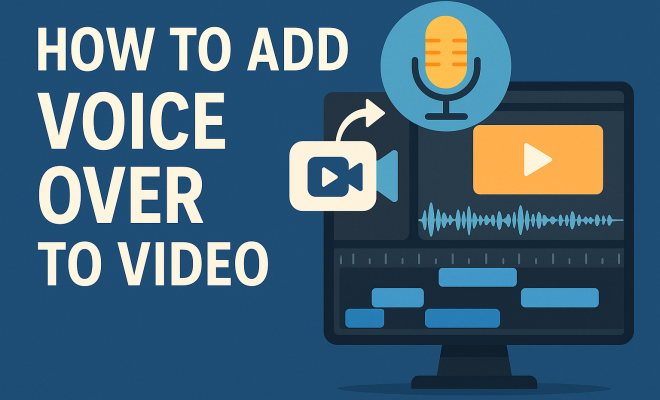
“`html
Adding a voice over to video can elevate your content, making it more engaging and informative. Whether you’re working on a YouTube tutorial, a corporate presentation, or a personal project, understanding how to integrate a voice over effectively is crucial. In this guide, we will explore various methods to add voice over to video, the tools you can use, and tips to enhance the quality of your recordings. Let’s dive in!
1. Understanding the Importance of Voice Over
Voice overs serve a vital role in video production. Not only do they provide clarity and context to visuals, but they also facilitate storytelling. By incorporating a voice over, you can guide your audience through the content, ensuring they grasp the critical points you want to convey.
Moreover, voice overs can establish a brand’s identity. Think of how brands like Nike and Apple use distinct voice styles to evoke particular emotions and enhance brand loyalty. By choosing the right voice and tone, you can significantly impact how your audience perceives your message.
Voice overs also allow for accessibility. For viewers who are hard of hearing, providing a clear voice over can make your content more inclusive. Additionally, adding subtitles or captions can further aid in delivering your message effectively to a broader audience.
2. Essential Equipment for Voice Over Recording
To add voice over to video effectively, the quality of your audio matters. While you can use a smartphone or a laptop microphone in a pinch, investing in dedicated equipment can vastly improve your sound quality. Here are a few essentials:
- Microphone: A condenser microphone is ideal for voice recordings as it captures a wide range of frequencies. USB microphones are user-friendly and perfect for beginners.
- Audio Interface: If you’re using an XLR microphone, an audio interface will help connect your mic to your computer, providing better sound quality.
- Pop Filter: This tool reduces plosive sounds (like ‘p’ and ‘b’) that can cause distortion in your recording.
- Headphones: Closed-back headphones allow you to monitor your voice as you record while minimizing external noise.
- Microphone Stand: Using a stand ensures that your microphone stays in place, allowing for consistent distance and quality throughout your recording.
Investing in quality equipment will not only improve sound clarity but also give your recordings a professional touch. Remember, audio quality can often make or break the viewer’s experience, so it’s worth the investment.
3. Choosing the Right Software to Record Your Voice Over
Once you have the right equipment, the next step is selecting software to record the voice over. There are numerous options available, ranging from free to premium software:
- Audacity: This free, open-source software is great for beginners. It offers numerous features like noise reduction and audio editing capabilities.
- Adobe Audition: A professional tool, Adobe Audition provides advanced editing features and effects, making it ideal for those who want to produce high-quality audio.
- GarageBand: If you’re on a Mac, GarageBand is an excellent free option that offers various sound effects and editing tools.
- Reaper: An affordable yet powerful digital audio workstation, Reaper is popular among professionals for its flexibility and extensive features.
Choosing the right software depends on your needs and skill level. Make sure to explore different features and interfaces to find what works best for you. Many programs offer trial versions, so take advantage of those to test them out before committing.
4. Writing a Script for Your Voice Over
Before hitting the record button, having a script is essential. A well-structured script ensures that your delivery is smooth and that you cover all necessary points without rambling. When writing your script, consider the following:
- Keep it concise: Aim for clarity and brevity. Your audience should grasp the main ideas without feeling overwhelmed.
- Use conversational language: Write as if you’re speaking to someone directly. This makes your voice over more relatable and engaging.
- Practice: Read your script out loud before recording to identify any awkward phrasing or difficult sections.
- Include Cues: If your video contains visual elements that should coincide with specific parts of your script, make note of them within the script for smoother delivery.
Taking the time to craft a thoughtful script will lead to a more polished final product. Remember, the script is a blueprint for your voice over, so make it as clear and compelling as possible. (See: importance of voice overs in media.)
5. Recording Your Voice Over
With your equipment set up and your script in hand, it’s time to record. Here are some tips to ensure a successful recording session:
- Find a Quiet Space: Background noise can be distracting and reduce audio quality. Choose a quiet room and consider soundproofing options like blankets or foam panels.
- Use Proper Microphone Technique: Maintain a consistent distance from the microphone (6-12 inches is usually ideal) and speak clearly and at a moderate pace.
- Do Multiple Takes: Don’t settle for the first take. Record several versions, then choose the best one during editing.
- Warm Up Your Voice: Just like any performance, warming up your vocal cords can help you achieve a clearer sound. Simple vocal exercises can make a big difference.
Recording in a controlled environment will help you achieve the highest audio quality, crucial for keeping your audience engaged. The atmosphere in which you record can also influence your delivery, so make sure you’re comfortable and focused.
6. Editing Your Voice Over
After recording, the next step is editing. This process allows you to refine your audio, remove mistakes, and enhance overall quality. Here are key editing tasks to consider:
- Remove Background Noise: Use noise reduction tools in your audio software to eliminate unwanted sounds.
- Edit for Clarity: Cut out any filler words or pauses that may disrupt the flow.
- Add Effects: Consider adding subtle reverb or equalization effects to enhance the voice tone.
- Normalize Levels: Normalize the audio to ensure consistent volume throughout your recording, making it more pleasant for listeners.
Editing is where your recordings come to life. The more attention you pay to this process, the more professional your final product will appear. Don’t rush this step—good editing can elevate your voice over to a whole new level.
7. Syncing Voice Over with Video
Once your voice over is edited, the next step is to add it to your video. This process, known as syncing, involves aligning the audio with the visuals to ensure they match perfectly. Here are some pointers:
- Use Video Editing Software: Programs like Adobe Premiere Pro, Final Cut Pro, and DaVinci Resolve are excellent for video editing and allow for precise audio syncing.
- Align Key Points: Make sure that your voice over aligns with important moments in the video. This connection enhances the message.
- Adjust Levels: Balance the voice over with other audio elements, such as background music and sound effects, to prevent any audio from overpowering another.
- Test Syncing: Play back sections of your video to ensure that the audio matches up perfectly with the visuals. Look for moments where your voice should correspond with specific actions or points on-screen.
Proper syncing is crucial for maintaining viewer engagement, as mismatched audio and visuals can be jarring and distracting. By taking the time to perfect this step, you enhance the overall viewer experience.
8. Exporting Your Video with Voice Over
After successfully syncing your voice over with the video, the final step is to export your project. This process involves selecting the appropriate format and settings based on your intended use:
- Choose the Right Format: Common formats include MP4 for web use and MOV for higher quality. Select a format that balances quality and file size.
- Adjust Settings: When exporting, ensure that your audio bitrate is sufficient to maintain quality. A rate of 192 kbps is generally recommended for voice overs.
- Test Your Final Product: Before publishing, watch the exported video to ensure everything sounds and looks as you intended.
- Backup Your Files: Always keep a backup of your original recordings and project files. This way, you can make adjustments in the future if necessary.
This step is the culmination of all your hard work, so take the time to ensure it’s perfect before sharing. Remember, the first impression is often the lasting one, so make sure your final product is polished and compelling.
9. Best Practices for Voice Over in Video
Adding voice over to video isn’t just about technical skills; it’s also an art. Here are some best practices to help you create compelling voice overs:
- Be Authentic: Your audience will connect more if they perceive you as genuine. Speak in a tone that reflects your personality and brand.
- Engage Your Audience: Use questions or inviting language to engage viewers and keep their interest throughout the video.
- Seek Feedback: Before finalizing your video, consider seeking input from peers or mentors. Their fresh perspective can help you refine your voice over.
- Keep It Dynamic: Vary your tone and pacing to maintain interest. Monotone delivery can lose viewers quickly, so use inflection to emphasize important points.
Implementing these best practices can significantly enhance the effectiveness of your voice overs, resulting in higher viewer retention and engagement. Remember, the goal is to connect with your audience, and a dynamic voice over can go a long way in achieving that. (See: accessibility and communication.)
10. Case Studies: Successful Voice Over Examples
To truly appreciate the power of voice overs, it helps to look at successful case studies. Let’s examine a few examples where voice overs have made a significant impact:
10.1 Educational Content
Channels like Khan Academy and TED-Ed utilize voice overs to simplify complex ideas. Their narrators break down intricate subjects into digestible pieces, enhancing the viewer’s understanding. The choice of a calm and clear voice helps in maintaining focus and retention.
10.2 Product Demonstrations
Brands like Apple often use voice overs in their product launch videos. These voice overs not only explain the product features but also evoke emotions by building excitement. The narrator’s tone is deliberately enthusiastic, inviting viewers to feel connected to the brand.
10.3 Corporate Training Videos
Companies like Google and Microsoft leverage voice overs in their training materials. A consistent voice not only provides clarity but also fosters a sense of familiarity and trust. Employees are more likely to absorb the information when it’s delivered in a friendly, approachable manner.
11. FAQs about Adding Voice Over to Video
11.1 What is the best type of microphone for voice over work?
Condenser microphones are generally preferred for voice over work due to their ability to capture a wide range of frequencies and nuances in vocal tone. USB microphones are convenient for beginners, while XLR microphones paired with an audio interface provide professional quality.
11.2 How do I reduce background noise in my recordings?
To minimize background noise, record in a quiet room, use soundproofing materials such as foam panels or blankets, and utilize noise reduction features in your editing software. Ensuring that your recording environment is controlled is key to achieving clean audio.
11.3 How do I sync voice over with video accurately?
Use video editing software that allows for precise audio syncing. Align key points in your voice over with corresponding visual cues and adjust levels to ensure a seamless blend of sound and image. Play back sections to verify that everything matches up perfectly.
11.4 Can I use free software for voice over recording?
Yes, there are several excellent free software options available, such as Audacity and GarageBand. While you may not have access to all the features of premium software, these options provide sufficient tools for high-quality voice over recording and editing.
11.5 How can I improve my voice over delivery?
Improving your delivery involves practicing your script out loud, warming up your voice, and being mindful of your tone and pacing. Record yourself during practice sessions to analyze your performance, and consider seeking feedback from others to identify areas for enhancement. (See: voice over effects on audience perception.)
12. Common Mistakes to Avoid When Adding Voice Over to Video
Even experienced creators can make mistakes when adding voice overs. Here are some common pitfalls to avoid:
- Neglecting Audio Quality: Poor audio can distract viewers, so always prioritize sound quality. This includes ensuring there is no background noise and that your recording equipment is functioning correctly.
- Inconsistent Volume Levels: All parts of your voice over should be at a consistent volume. Sudden changes in volume can be jarring for the audience. Normalizing your audio levels during editing can help maintain consistency.
- Ignoring the Script: While it’s important to be natural, strictly adhering to a poorly written script can lead to stilted delivery. Make sure your script feels conversational and flows well with your visuals.
- Rushing the Process: Voice over work is not something to rush. Take your time during recording, editing, and syncing to ensure each step is executed properly.
By being mindful of these common mistakes, you can ensure a smoother production process and a higher quality final product.
13. Exploring Advanced Techniques for Voice Overs
Once you’re comfortable with the basics, consider experimenting with some advanced techniques to enhance your voice overs:
- Layering Sounds: Adding background ambiance or sound effects can create a more immersive experience. This technique works well in storytelling and helps set the scene for your content.
- Varying Your Delivery: Practice different styles of delivery. For instance, try adopting a more dramatic tone for storytelling segments and a conversational tone for instructional content.
- Utilizing Silence: Sometimes, silence can be powerful. Pausing strategically can emphasize key points and give your audience time to absorb information.
- Adding a Second Voice: Introducing a second voice can create dialogue, making your content more dynamic. This is particularly effective in interviews or discussions.
These techniques can elevate your voice overs, making them more engaging and memorable for your audience.
14. Future Trends in Voice Over for Video Content
The voice over industry is evolving, with technology playing a significant role in shaping its future. Here are some trends to watch:
- Artificial Intelligence: AI-generated voice overs are becoming more realistic, offering a cost-effective solution for creators. While they may lack the emotional depth of human voices, they can serve as a quick alternative for certain projects.
- Localized Content: As global audiences grow, voice overs in multiple languages are increasingly important. This trend emphasizes the need for diverse voice talents to cater to different demographics.
- Interactive Voice Overs: In the realm of videos that require viewer interaction, such as tutorials or educational content, interactive voice overs can guide users through choices, enhancing engagement.
- Voice Branding: Brands are recognizing the importance of a unique voice to differentiate themselves. Developing a signature voice that reflects the brand’s identity can create stronger connections with audiences.
Staying updated on these trends can help you remain competitive and innovative in your voice over projects.
In summary, adding a voice over to video can transform your content from ordinary to extraordinary. By following these steps—from investing in quality equipment to mastering the editing process—you can create engaging and professional videos that resonate with your audience. So, get started today and see the difference a good voice over can make!
“`
Trending Now
Frequently Asked Questions
How do you add a voice over to a video?
To add a voice over to a video, you can use video editing software like Adobe Premiere Pro or iMovie. Import your video, record or upload your voice over audio, then sync it with the visuals. Adjust the audio levels for clarity and ensure it complements the video content.
What equipment do you need for voice over recording?
Essential equipment for voice over recording includes a good quality microphone, such as a condenser or USB mic, an audio interface for XLR mics, and a pop filter to minimize unwanted sounds. These tools help ensure clear and professional audio quality in your recordings.
Why is voice over important in videos?
Voice over is crucial in videos as it provides clarity, context, and enhances storytelling. It helps guide the audience through the content, making it more engaging, and can also establish a brand's identity while ensuring accessibility for viewers with hearing impairments.
What software can I use to add voice overs to videos?
You can use various software to add voice overs, including Adobe Premiere Pro, Final Cut Pro, Audacity for audio editing, and free options like iMovie or OpenShot. These tools allow you to record, edit, and sync your voice over with video footage effectively.
How can I improve the quality of my voice over recordings?
To improve voice over quality, use a high-quality microphone, record in a quiet space to minimize background noise, and consider using acoustic treatment. Additionally, adjusting audio levels and applying post-production editing can enhance clarity and professionalism in your recordings.
What did we miss? Let us know in the comments and join the conversation.