Why Gen Z Can’t Stand This Boomer Travel Habit — And What It Means for the Future of Travel
“`html
Traveling is a rite of passage for many, but it seems that every generation brings its unique quirks to the mix. Recently, a lively debate has emerged between Gen Z and Baby Boomers regarding certain travel habits. This discourse, enriched by survey data from a recent travel trends report, highlights both the contrasts and the commonalities in how these two generations approach travel. At the heart of this clash is a specific boomer travel habit that drives many Gen Z travelers up the wall, and it’s worth dissecting how these generational perspectives impact the travel experience.
1. The Data Behind the Debate
A compelling aspect of this generational conversation is the statistical backdrop that frames it. According to a travel search engine’s report that surveyed 23,000 individuals, including 2,000 from the U.S., significant differences in travel preferences are evident between generations. For instance, Gen Z is marked by its inclination towards spontaneity and a desire for immersive experiences, while Boomers tend to favor structured itineraries and classic tourist destinations. This data not only provides context but also validates the frustrations that each group feels towards the other’s travel habits.
The survey reflects a broader trend: 65% of Gen Z respondents expressed a preference for travel that emphasizes local culture and experience over a packed itinerary. In contrast, many Boomers find comfort in planning their travels down to the minute, often relying on established travel guidebooks and itineraries. This fundamental difference sets the stage for misunderstandings and a generational tug-of-war when it comes to travel planning.
2. The Boomer Travel Habit That Drives Gen Z Crazy
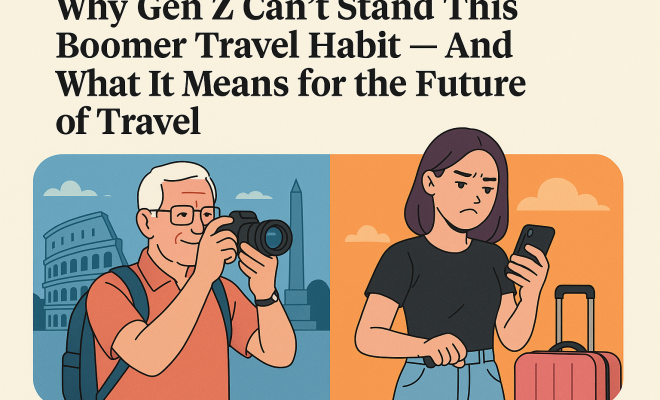
So, what is this boomer travel habit that’s causing such a stir? Many Gen Z travelers cite the reliance on guided tours and pre-planned trips as a significant irritant. They often view these approaches as stifling and counterproductive, particularly when they desire to explore off-the-beaten-path destinations or immerse themselves in local cultures. To them, the idea of adhering to a rigid schedule feels like a missed opportunity for genuine exploration.
This critique often plays out on social media platforms where Gen Z travelers air their grievances. They argue that instead of spending hours on a bus tour with a group of strangers, they would rather wander through local markets, sample street food, and engage with community members. The emphasis on serendipity—finding unexpected treasures in the journey—contrasts starkly with the meticulous planning typical of many Boomer travelers.
3. Why Planning Matters—From a Boomer Perspective
Understanding the Boomer perspective on travel planning is crucial in this debate. For many in this generation, travel has always been about maximizing value and ensuring safety. They grew up in an era where travel was less accessible than it is today, and the advent of budget airlines has only added to the complexity of travel logistics. Thus, structured itineraries provide a sense of security and assurance that they’re making the most of their vacation time.
Furthermore, Boomers often prefer to visit iconic landmarks and classic destinations, which they view as essential elements of a well-rounded travel experience. These goals influence their planning habits and can lead them to prioritize tour packages that guarantee an efficient way to tick those boxes. Understanding these motivations can help bridge the gap between the two generations, highlighting how shared experiences can still exist within differing travel philosophies.
4. Technology and Travel: A Generational Divide
Another core element of this generational divide is the role of technology in travel. Gen Z is well-versed in utilizing technology for travel planning, often leveraging apps, social media, and online reviews to curate their travel experiences on-the-fly. The ability to access real-time information, book accommodations on the move, and share their adventures instantly is a game-changer for this generation.
In contrast, many Boomers prefer the tried-and-true methods of travel planning that involve brochures, guidebooks, and travel agents. They might feel overwhelmed by the plethora of options available online and often seek the reassurance of a travel advisor’s expertise. This technological gap can lead to miscommunication and misunderstandings, especially when Gen Z travelers push for more spontaneous travel arrangements that Boomers might find daunting or disorganized.
5. Where Experiences Meet: Finding Common Ground
Despite their differences, there are areas where both generations can converge. For instance, both Gen Z and Boomers can appreciate the value of unique experiences. While their approaches may differ, the underlying desire to learn and grow through travel is universal. Traveling together can create opportunities for bonding, allowing both generations to learn from one another. For example, Gen Z can introduce Boomers to the benefits of flexibility in travel, while Boomers can share their wealth of travel knowledge and experience. (See: CDC travel health information.)
Moreover, intergenerational trips that blend spontaneity with a few must-see sights can create a balanced travel experience that satisfies both generations. Collaborating on a travel itinerary that includes a mix of guided tours and free exploration can help foster understanding and appreciation between the two groups, enhancing the overall travel experience.
6. Adapting to New Norms: What the Future Holds for Travel
As travel continues to evolve, adapting to new norms is essential for both generations. The rise of eco-conscious travel, remote work, and digital nomadism are trends that are reshaping the travel landscape. Gen Z, with its focus on sustainability and authentic experiences, encourages Boomers to consider the environmental impact of their travel choices. This shift is prompting a reevaluation of longstanding travel habits.
Moreover, the Covid-19 pandemic has brought about significant changes in how we approach travel. Many Boomers have become more open to flexible travel arrangements, perhaps out of necessity or a newfound interest in exploring new ways of traveling. Meanwhile, Gen Z is likely to continue seeking immersive experiences that promote cultural understanding and personal connection. The blending of these values will undoubtedly shape the future of travel as both generations learn to adapt to evolving circumstances.
7. Final Thoughts: Embracing Diversity in Travel
Ultimately, the discussion around boomer travel habits versus Gen Z travel preferences serves as a microcosm of the broader generational divide. Rather than viewing these differences as a source of conflict, embracing the diversity of travel styles can lead to richer, more fulfilling experiences. Each generation has something valuable to offer, and by fostering open dialogue about travel habits, we can enhance our collective journeys.
So, whether you’re a Boomer meticulously planning your next vacation or a Gen Zer ready to hit the road with no plans, remember that travel is about more than just the destination—it’s about the shared experiences that bring us together. By appreciating each other’s perspectives, we can create an environment that celebrates the beauty of travel in all its forms.
8. Exploring the Impact of Economic Factors on Travel Habits
Economic conditions play a significant role in shaping travel habits across generations. For Boomers, who often have more disposable income or savings, luxury and comfort in travel may take precedence. They might be more willing to invest in premium experiences, such as staying in high-end hotels or dining at upscale restaurants. According to a recent report from the U.S. Travel Association, Boomers accounted for over 50% of all leisure travel spending in 2022. This financial capability allows them to prioritize comfort and security in their travel planning.
In contrast, Gen Z travelers, who are often younger and still in the early stages of their careers, may be more budget-conscious. Studies show that 71% of Gen Z travelers seek affordable options and prefer to allocate their travel budgets toward experiences rather than accommodation. This might lead them to choose hostels, budget airlines, or even road trips over traditional vacation packages. Such preferences highlight the differing financial constraints and priorities between the generations, influencing how each group approaches travel.
9. Health and Safety Considerations: A Post-Pandemic Shift
Health and safety concerns have become more pronounced in travel discussions following the COVID-19 pandemic. Boomers, often more cautious due to health risks associated with age, may prefer destinations that ensure their safety and well-being. This might include choosing less crowded locations or opting for private tours over group ones. According to a survey by AARP, 62% of Boomers indicated that health safety is a top priority when planning trips.
On the other hand, Gen Z has shown resilience and adaptability in the face of these changes. They tend to embrace outdoor adventures and road trips, which can be perceived as safer alternatives to international travel. With around 50% of Gen Z travelers expressing a desire to explore nature and national parks, it’s evident they are shaping a new narrative around health-conscious travel that emphasizes open spaces and less crowded experiences.
10. The Role of Social Media in Shaping Travel Preferences
Social media has had a transformative effect on how travel is marketed and experienced, especially among younger generations. Platforms like Instagram and TikTok often influence travel choices, with Gen Z relying heavily on social media for inspiration and recommendations. In fact, a survey revealed that 78% of Gen Z travelers have chosen a destination based on social media posts or influencers. This trend encourages spontaneous travel decisions driven by trending destinations or unique experiences. (See: WHO travel and health guidelines.)
Conversely, Boomers may not rely on social media to the same extent. They might prefer traditional travel resources or word-of-mouth recommendations from friends and family. However, it’s worth noting that more Boomers are becoming active on platforms like Facebook for travel-related content. As this generation becomes increasingly tech-savvy, we may start to see a blend of travel influences from both social media and traditional sources.
11. Traveling for Purpose: The Rise of Volunteer and Socially Responsible Travel
Another interesting trend that has emerged in recent years is the rise of purpose-driven travel. Many travelers now seek opportunities to give back to the communities they visit or engage in socially responsible tourism. Gen Z, in particular, is motivated by a desire to create positive impacts through their travel experiences. They are more likely to participate in volunteer programs or support local businesses during their trips.
Baby Boomers, while also interested in meaningful travel, may approach this from a different angle. Many Boomers value the opportunity to learn and immerse themselves in new cultures, and they often seek out tours or experiences that include a philanthropic component. This common ground can foster collaborative travel experiences that enable both generations to engage in impactful practices while exploring the world.
12. FAQ: Understanding Boomer Travel Habits
What distinguishes Boomer travel habits from those of Gen Z?
Boomer travelers tend to favor structured itineraries, guided tours, and iconic destinations, while Gen Z travelers prefer spontaneous trips, cultural immersion, and off-the-beaten-path exploration.
How do financial considerations affect travel habits between generations?
Boomers often have more disposable income and may prioritize comfort and luxury in their travel choices, while Gen Z travelers tend to be more budget-conscious and value experiences over accommodation.
What role does technology play in the travel habits of each generation?
Gen Z utilizes technology extensively for travel planning, relying on apps, social media, and real-time information, whereas Boomers often prefer traditional methods such as guidebooks and travel agents.
How do health and safety concerns influence travel decisions?
Boomers are generally more cautious and prioritize safety in their travel plans, often opting for less crowded destinations, while Gen Z is adaptable, leaning towards outdoor adventures and nature-focused trips.
How is social media shaping travel choices for Gen Z and Boomers?
Social media has a strong influence on Gen Z, with many making travel decisions based on posts from influencers and peers. Boomers are increasingly using social media for travel inspiration, though they may rely more on traditional recommendations.
Are there common interests that bridge the gap between Boomers and Gen Z travelers?
Yes, both generations value unique experiences and opportunities for cultural immersion. Intergenerational trips that blend spontaneity with must-see sights can help create enriching experiences for both groups. (See: Associated Press travel news.)
What does the future hold for travel habits across generations?
As travel continues to evolve, both generations are likely to adapt to new norms, blending traditional travel habits with modern trends, such as eco-conscious travel and purpose-driven tourism, creating a richer travel landscape.
13. The Mental and Emotional Benefits of Travel
Travel is not just a physical journey; it also has profound mental and emotional benefits that can resonate across generations. Boomers often travel to reconnect with family or relive memories from their youth, seeking to create lasting family bonds. This nostalgic aspect of travel can lead to emotional healing and a sense of belonging. For instance, family reunions at traditional vacation spots often foster a sense of community and shared history.
Gen Z, on the other hand, often travels with a focus on personal growth, mental health, and self-discovery. They are more likely to engage in activities like wellness retreats or mindfulness vacations, which prioritize mental well-being. A study by the Global Wellness Institute found that 66% of wellness travelers are more likely to prioritize experiences that contribute to mental health, highlighting a shift in the motivations behind travel. This generational focus on mental well-being can influence travel choices, leading to a rise in trips designed for relaxation and rejuvenation.
14. Travel Trends to Watch: What’s Next?
Looking ahead, it’s fascinating to observe the travel trends that are emerging as both generations adapt their habits. One growing trend is the increase in multi-generational travel, where families are planning vacations that cater to all ages, blending the preferences of Boomers and Gen Z. This type of travel encourages collaboration and compromise, allowing families to create shared memories while respecting individual preferences.
Another trend is the focus on sustainable and ethical travel. Both generations are becoming increasingly aware of their environmental impact. A report from Booking.com revealed that 81% of travelers feel strongly that we need to act now to save the planet, indicating a shared concern regardless of age. This awareness may lead to more eco-friendly travel options being prioritized, such as carbon-neutral accommodations and experiences that support local conservation efforts.
15. The Importance of Cultural Sensitivity in Travel
As globalization continues to shape the travel landscape, the importance of cultural sensitivity has become more pronounced. Baby Boomers, who may have traveled during a time when cultural interactions were less emphasized, can learn from Gen Z’s more nuanced approach to cultural engagement. Gen Z travelers tend to prioritize understanding and respecting local customs, languages, and traditions, often going out of their way to educate themselves before visiting new places.
This cultural sensitivity is not just a passing trend; it’s essential for fostering positive connections while traveling. For instance, many Gen Z travelers are opting for homestays or local tours led by residents, which allows them to engage more deeply with the culture. Boomers can share their experiences and insights from a time when travel was more about exploration, creating a rich dialogue that enhances mutual respect and understanding.
“`
Trending Now
Frequently Asked Questions
Why do Gen Z travelers dislike guided tours?
Gen Z travelers often find guided tours stifling and counterproductive. They prefer spontaneity and immersive experiences that allow them to connect with local culture rather than sticking to a structured itinerary, which is often favored by Baby Boomers.
What travel habits do Baby Boomers have that annoy Gen Z?
Baby Boomers tend to favor detailed planning and structured itineraries, relying on guidebooks and pre-planned trips. This contrasts sharply with Gen Z's preference for spontaneity and cultural immersion, leading to frustrations between the two generations.
How do travel preferences differ between Gen Z and Baby Boomers?
Gen Z prioritizes spontaneity and local experiences, with 65% preferring travel that emphasizes culture over rigid itineraries. In contrast, Boomers often seek comfort in structured travel plans and classic tourist destinations, highlighting their differing approaches to travel.
What does the survey data say about generational travel trends?
A recent survey of 23,000 individuals revealed significant differences in travel preferences. Gen Z values immersive experiences, with a strong inclination towards spontaneity, while Boomers prefer planned trips and established tourist attractions.
How might generational differences in travel impact future trends?
As Gen Z continues to dominate the travel landscape, their preference for spontaneous and immersive experiences may reshape travel trends, pushing the industry towards more flexible options and authentic cultural interactions, contrasting with the structured approaches favored by Boomers.
What’s your take on this? Share your thoughts in the comments below — we read every one.