Why Official Development Assistance Is More Crucial Than Ever for Global Stability
“`html
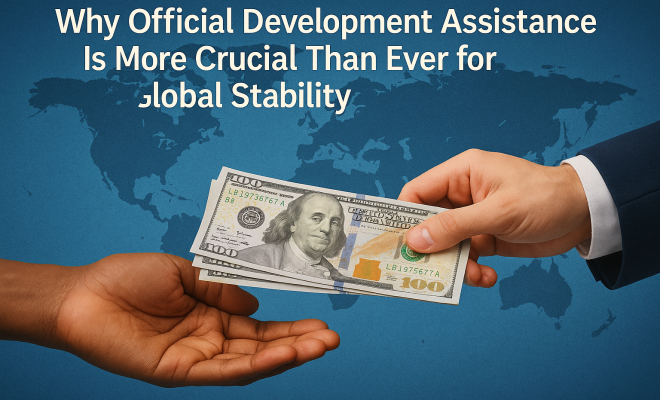
Official Development Assistance (ODA) has been the backbone of international aid since its inception in 1969. This term, formulated by the Organisation for Economic Co-operation and Development (OECD), refers specifically to government funding aimed at boosting the economic development and welfare of low- and middle-income countries. Through grants or soft loans, ODA targets the most pressing needs in these regions, which often face challenges that require substantial financial support.
The Evolution of Official Development Assistance
Since its formal introduction, ODA has grown from a nascent concept into a critical component of international relations and humanitarian efforts. Its role has evolved significantly over the decades, adapting to changing geopolitical landscapes and the growing complexities of global development.
Initially, ODA was primarily focused on infrastructure projects in developing countries. However, as the global economy shifted and new challenges emerged — such as climate change, health crises, and political instability — the focus of ODA has broadened to include a wide range of sectors, including education, health, gender equality, and environmental sustainability. This shift reflects a growing understanding that true development goes beyond mere financial contributions; it requires comprehensive strategies tailored to specific regional needs.
The Financing Landscape of ODA
Official development assistance is not just a drop in the global financial ocean; it constitutes more than two-thirds of external funding for the world’s least-developed countries. In many instances, ODA serves as the primary source of financing, particularly when it comes to crucial humanitarian efforts and social programs.
The OECD has consistently reported on the significance of ODA in stabilizing economies, offering critical support during crises, and fostering long-term development. For instance, during the COVID-19 pandemic, many nations had to rely heavily on ODA to bolster healthcare systems and support vulnerable populations. This trend highlights ODA’s unique ability to respond swiftly to urgent needs while laying the groundwork for sustainable development.
The Role of ODA in Addressing Global Crises
In recent years, the world has faced a plethora of crises, from natural disasters to armed conflicts and refugee emergencies. ODA has been integral in addressing these challenges, providing necessary resources for emergency relief operations and long-term recovery efforts.
For example, during the Syrian refugee crisis, ODA funds were essential for countries like Jordan and Lebanon, which struggled to support millions of displaced individuals. These funds helped to provide shelter, healthcare, and education, easing some of the pressures on local infrastructures. The ability of ODA to adapt to immediate needs while being part of a longer-term recovery strategy is what sets it apart from other forms of financial assistance.
The Importance of Political Will and Commitment
The effectiveness of official development assistance heavily relies on the commitment of donor countries. Political will can either make or break ODA initiatives, as seen in various funding debates among donor nations. Cutting back on ODA can have devastating repercussions, particularly for the most vulnerable populations who depend on these funds for basic needs.
In recent discussions among global leaders about budget allocations, many countries have debated whether to increase or decrease their ODA commitments. Such decisions can create a ripple effect in humanitarian efforts, influencing everything from health programs to education initiatives. When wealthier nations pull back on their aid commitments, it often leads to increased migration pressures as individuals seek better opportunities elsewhere, further straining international relations.
What Happens When ODA Cuts Are Announced?
The announcement of cuts to official development assistance is often met with alarm within the global community. These decisions can have immediate and far-reaching consequences, particularly in regions already struggling with poverty and instability.
For example, when the United States proposed cuts to its foreign aid budget in previous years, various humanitarian organizations and governments voiced their concerns regarding the potential fallout. The fear is that reduced funding could lead to increased poverty, higher mortality rates, and a destabilized geopolitical landscape. In essence, ODA cuts can exacerbate existing problems and create new challenges that may be difficult to remedy.
ODA in the Context of Global Economic Strain
As the world grapples with economic uncertainties, the focus on official development assistance has become even more critical. The ongoing effects of global economic strain — exacerbated by the pandemic, supply chain disruptions, and geopolitical conflicts — have highlighted the need for sustained financial support in developing nations.
Research indicates that during economic downturns, donor countries may prioritize domestic needs over international aid. This inclination can result in an alarming trend where nations pull back from their ODA commitments, leading to increased vulnerability in low- and middle-income countries. The challenge lies in balancing national interests with global responsibilities. The interconnectedness of our economies means that neglecting foreign aid can have repercussions that ultimately affect the donor nations themselves.
The Future of Official Development Assistance
Looking ahead, the landscape of official development assistance is poised for transformation. As global challenges evolve, so too must the strategies for delivering effective aid. One area of focus is the need for greater transparency and accountability in ODA funding.
Stakeholders are increasingly calling for clearer reporting on how ODA funds are allocated and spent. Improved data collection and analysis can help to ensure that funds are directed toward initiatives that yield the most significant impact. Additionally, fostering partnerships between governments, NGOs, and private sectors can enhance the efficiency and effectiveness of aid delivery.
Measuring the Impact of ODA
Measuring the success of official development assistance can be challenging, yet it is crucial for understanding its effectiveness. Various metrics and indicators help assess the impact of ODA on economic growth, poverty reduction, and social development.
For instance, tracking improvements in education rates, healthcare access, and economic stability in recipient countries provides valuable insights into how ODA is making a difference. Success stories from countries that have effectively utilized ODA can serve as models for others, showcasing the potential benefits of sustained international aid.
Engaging Citizens and Stakeholders
To secure ongoing support for ODA, it is vital to engage citizens and various stakeholders in the conversation around aid. Public awareness campaigns can highlight the importance of ODA and its impact on global development. By illustrating how these funds contribute to tangible improvements in lives, communities can advocate for more robust commitments from their governments.
Additionally, involving citizens in discussions about where aid should be directed can help ensure that funding aligns with the actual needs of communities. This participatory approach can enhance the legitimacy of ODA initiatives and foster a sense of ownership among local populations.
Innovation in ODA Delivery
As the demands on ODA evolve, so too do the methods for delivering aid. Innovative approaches, such as using technology to enhance service delivery, are becoming increasingly important. For instance, mobile health applications have been utilized in various countries to promote health education and access to medical services.
Technology can also improve monitoring and evaluation processes, ensuring that ODA funds are used effectively. Real-time data analytics can give stakeholders immediate feedback on the implementation of projects, enabling swift adjustments when necessary. By leveraging emerging technologies, ODA can become more responsive and adaptive, addressing the specific needs of communities more effectively.
Regional Perspectives on ODA
Different regions experience unique challenges and opportunities with official development assistance. For example, in Sub-Saharan Africa, the focus of ODA often revolves around agricultural development and food security. The region is highly vulnerable to climate change, and ODA programs that support sustainable agricultural practices have shown promising results in enhancing resilience.
In Asia, ODA has often prioritized infrastructure development and economic growth, with countries like India and Vietnam leveraging these funds to propel their economies forward. However, challenges remain in equitable distribution and ensuring that the benefits of growth reach marginalized communities.
The Middle East presents another set of complexities, where ODA is frequently linked to conflict resolution and stabilization efforts. Programs aimed at fostering peace and reconciliation are essential in this region, and ODA plays a crucial role in supporting these initiatives.
Statistics and Trends in ODA
Statistical data provides crucial insights into the trends surrounding official development assistance. According to the OECD, global ODA flows reached approximately $161 billion in 2020, marking a significant increase from previous years. This rise can be attributed to the urgent needs stemming from the COVID-19 pandemic, as donor countries recognized the necessity of increased aid to combat the crisis.
However, the distribution of ODA is uneven across regions and sectors. A substantial portion of ODA is concentrated on a few countries and sectors, raising concerns over dependency and sustainability. For example, in 2019, the top five recipients of ODA were Afghanistan, Ethiopia, Bangladesh, Syria, and Yemen, emphasizing a pattern where funds are directed toward crisis situations rather than long-term development strategies.
Challenges Facing ODA in the 21st Century
Despite its critical role, ODA faces several challenges in the current global landscape. One significant issue is the rise of new actors in international aid, including emerging economies and private organizations. While this diversification can enhance funding sources, it also complicates coordination and effectiveness.
Another challenge is the increasing skepticism among taxpayers in donor countries regarding the efficacy of ODA. With rising nationalism and a focus on domestic issues, public support for international aid is under threat. Educating the public on the tangible benefits of ODA and its contributions to global stability is essential to combat this narrative.
FAQ about Official Development Assistance
What is the primary purpose of ODA?
The primary purpose of official development assistance is to promote economic development and welfare in low- and middle-income countries. ODA aims to support various sectors, including healthcare, education, and infrastructure, to help these nations achieve sustainable development goals.
How is ODA different from other forms of aid?
ODA specifically refers to government-allocated funding intended for development purposes, while other forms of aid may include private donations, humanitarian assistance, or loans with commercial terms. ODA is typically characterized by its focus on long-term development rather than short-term relief.
Who are the major donors of ODA?
The major donors of official development assistance include member countries of the OECD, such as the United States, Germany, the United Kingdom, France, and Japan. These countries contribute the largest shares of ODA funding, playing a vital role in international development efforts.
How can ODA be made more effective?
Improving the effectiveness of ODA can be achieved through increased transparency, enhanced coordination among donors, and stronger engagement with local communities. Tailoring aid programs to meet the specific needs of recipient countries and involving them in the decision-making process can also lead to better outcomes.
What role do NGOs play in ODA?
Non-governmental organizations (NGOs) play a crucial role in implementing ODA projects on the ground. They often have local knowledge and connections that facilitate project execution and ensure that aid reaches those who need it most. NGOs can also provide accountability and monitoring of ODA funds, ensuring that they are used effectively.
Challenges in Monitoring and Evaluation of ODA
Monitoring and evaluation (M&E) are fundamental aspects of effective ODA implementation. Yet, they are often plagued by challenges. One such challenge is the lack of standardized indicators that allow for comparison across various sectors and countries. Different countries may use varying metrics to assess their development goals, making it difficult to gauge the overall effectiveness of ODA.
Additionally, the reliance on donor-driven indicators can skew the focus of aid projects. When local communities’ needs are not prioritized, aid efforts may not yield the intended outcomes. Including local stakeholders in the M&E process can help ensure that assessments are grounded in the realities of the communities served.
In response to these challenges, some organizations have begun adopting participatory M&E approaches, where community members are actively involved in evaluating aid projects. This approach not only improves accountability but also builds trust between donors and recipients, ultimately enhancing the impact of ODA.
Emerging Trends in Official Development Assistance
As the global landscape shifts, several emerging trends are influencing ODA. One notable trend is the increasing emphasis on climate finance within the ODA framework. Recognizing that climate change poses a significant threat to development, donor countries are increasingly allocating funds specifically for climate adaptation and mitigation efforts.
Another trend is the growing importance of private sector involvement in ODA. Public-private partnerships are becoming more common, as they can leverage additional resources for development projects. For example, collaborations between governments and private companies can lead to innovative solutions for infrastructure improvements or health service delivery.
Digital transformation is also reshaping the ODA landscape. The use of digital platforms for aid distribution and project management can increase efficiency and transparency. Initiatives like blockchain technology are being explored to improve tracking of funds and ensure that they reach their intended recipients, reducing the potential for corruption.
Global Partnerships and ODA
Global partnerships are essential for maximizing the impact of official development assistance. Collaboration between donor countries, recipient countries, and international organizations helps align priorities and resources. For instance, the United Nations Sustainable Development Goals (SDGs) have become a framework for many ODA initiatives, encouraging countries to work together towards common objectives.
Additionally, regional cooperation can enhance the effectiveness of aid. Organizations like the African Union and ASEAN facilitate dialogue and coordination among member states, allowing for more cohesive regional strategies that leverage ODA for maximum benefit.
Partnerships with local organizations are also critical. Grassroots movements and community-based organizations have invaluable insights into the needs and challenges faced by local populations. By working alongside these organizations, ODA can be more responsive and tailored to the specific contexts of each region.
The Ethical Implications of ODA
The ethical dimensions of official development assistance are increasingly coming under scrutiny. Critics argue that ODA can sometimes perpetuate dependency, where recipient countries rely heavily on external aid instead of fostering self-sufficiency. This concern raises questions about the moral obligations of donor countries and the need for a more equitable approach to aid.
Additionally, there is a debate surrounding the political motivations behind ODA. Some argue that aid can be used as a tool for donor countries to exert influence over recipient nations, which can complicate genuine development efforts. Ensuring that ODA serves the interests of those it aims to help, rather than being tied to geopolitical agendas, remains a complex challenge.
Conclusion: A Call to Action for Sustaining ODA
Official development assistance remains a crucial pillar of global stability and development. As the world faces persistent challenges, the need for continued investment in low- and middle-income countries has never been more urgent. The decisions made by donor governments in the coming years will determine the trajectory of development efforts and the well-being of millions.
Ultimately, sustaining and enhancing ODA commitments requires collective action and political will. By valuing international cooperation and recognizing the importance of solidarity, we can create a more equitable world where development is accessible to all — because when we invest in others, we invest in our shared future.
“`
Trending Now
- this guide on unlocking local seo for restaurants: how to boost organic traffic by 74% in 3 months
- read the full story
- Why Tracking Trending Economy Topics Is Critical for Your Financial Future
- AI Cybercrime: The Shift from Spam to Targeted Attacks is More Alarming Than You Think
- our breakdown of unpacking the challenges of legal topics identification in today’s news cycle
Frequently Asked Questions
What is Official Development Assistance (ODA)?
Official Development Assistance (ODA) refers to government funding aimed at promoting economic development and welfare in low- and middle-income countries. Established by the OECD in 1969, ODA includes grants and soft loans designed to address pressing needs in these regions, contributing to their overall stability and development.
Why is ODA important for global stability?
ODA is crucial for global stability as it provides essential financial support to the world’s least-developed countries. It helps stabilize economies, supports humanitarian efforts during crises, and fosters long-term development in sectors like health, education, and environmental sustainability.
How has ODA evolved over the years?
Since its inception, ODA has evolved from focusing primarily on infrastructure projects to addressing a broader range of issues, including climate change, health crises, and political instability. This shift reflects an understanding that effective development requires comprehensive strategies tailored to specific regional needs.
What are the main sources of ODA funding?
ODA funding primarily comes from government sources of developed countries, constituting over two-thirds of external financing for the least-developed nations. It often serves as the main source of funding for critical humanitarian efforts and social programs, especially during crises like the COVID-19 pandemic.
How does ODA contribute to addressing global challenges?
ODA contributes to addressing global challenges by providing targeted financial support for various sectors, such as health, education, and gender equality. Its comprehensive approach helps countries develop resilience against issues like climate change and political instability, ultimately promoting global stability.
Have you experienced this yourself? We’d love to hear your story in the comments.