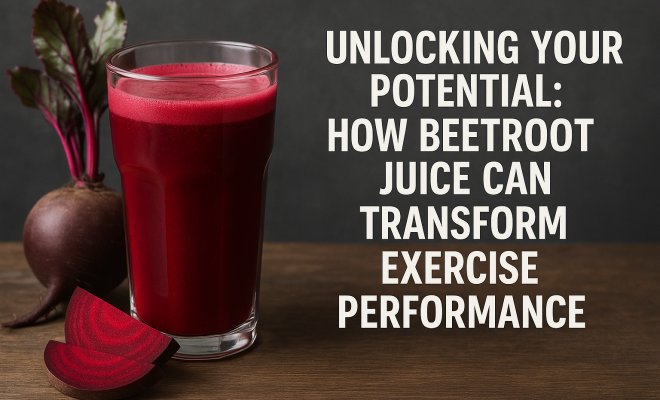
Unlocking Your Potential: How Beetroot Juice Can Transform Exercise Performance
“`html
When you think of boosting your exercise performance, what comes to mind? A high-priced supplement? A rigorous training regimen? Surprisingly, studies are revealing that the answer might lie in something as simple and unassuming as beetroot juice. Recent research highlights the potential of this vibrant, earthy juice in enhancing both aerobic and anaerobic exercise performance, making it a compelling natural supplement worth considering for athletes and fitness enthusiasts alike.
Understanding Beetroot Juice
Beetroot, or beets as they are commonly known, have been consumed for centuries, both as food and for their medicinal properties. Native to the Mediterranean region, they are rich in nutrients, particularly nitrates. These nitrates are the key component that sets beetroot juice apart in the realm of exercise nutrition.
When consumed, the nitrates in beetroot juice convert into nitric oxide, a molecule that plays a critical role in vascular health by dilating blood vessels. This leads to improved blood flow, which can enhance oxygen delivery to muscles during exercise. The resulting increase in oxygen availability is what many studies are now linking to improved performance outcomes across various types of physical activities.
The Meta-Analysis: Findings and Implications
A recent systematic review and meta-analysis published in Frontiers in Nutrition examined the effects of beetroot juice on exercise performance. Researchers analyzed multiple studies, compiling data to assess beetroot juice’s impact on different performance markers.
The analysis revealed statistically significant improvements in high-intensity performance, muscle power output, and VO₂max—a measure of the maximum amount of oxygen your body can utilize during intense exercise. These findings point toward a clear advantage of including beetroot juice in the dietary regimen of individuals engaged in both aerobic and anaerobic activities.
How Beetroot Juice Enhances Aerobic Performance
Aerobic performance primarily refers to activities that involve sustained effort over an extended period, such as long-distance running, cycling, or swimming. In these contexts, the body’s ability to efficiently use oxygen becomes crucial.
The evidence supporting beetroot juice’s effectiveness in enhancing aerobic performance is particularly compelling. Numerous studies cited in the meta-analysis indicated that participants who consumed beetroot juice before endurance exercises experienced improved performance times and reduced perceived exertion. In simpler terms, athletes felt like they could push themselves harder for longer periods without the typical fatigue setting in.
Boosting Anaerobic Performance
While aerobic exercise focuses on endurance, anaerobic performance is all about short bursts of high-intensity activity, such as sprinting or weightlifting. Interestingly, beetroot juice appears to offer benefits in this arena as well.
The meta-analysis found that supplementing with beetroot juice can lead to significant enhancements in muscle power output during anaerobic exercises. This is particularly beneficial for athletes involved in sports that require explosive movements, such as sprinting, jumping, or heavy lifting. The increased nitric oxide levels from beetroot juice consumption help improve muscle efficiency and contraction, leading to better overall performance.
Key Performance Metrics: What the Numbers Show
To understand the magnitude of beetroot juice’s effects, it helps to look at specific metrics that researchers tracked in the studies included in the meta-analysis. Here are some key improvements noted:
- VO₂max: Improvements in VO₂max were noted, which is crucial for aerobic endurance as it measures how efficiently your body uses oxygen.
- High-Intensity Performance: Participants displayed better performance in high-intensity bouts, showing that beetroot juice can support efforts that require quick bursts of energy.
- Muscle Power Output: Increases in muscle power output were significant, indicating that athletes could generate more force and speed during their activities.
Cost-Effective and Accessible
One of the most appealing aspects of beetroot juice is its accessibility. Unlike many performance-enhancing supplements on the market, which can carry hefty price tags, beetroot juice is relatively inexpensive and easy to incorporate into your diet. Whether you choose to buy pre-bottled juice or make it fresh at home, you have a variety of options at your disposal. (See: Beetroot juice and exercise performance study.)
Not only is beetroot juice a cost-effective supplement, but it’s also packed with other health benefits. Rich in vitamins, minerals, and antioxidants, consuming beetroot can support overall health, including better cardiovascular function, lower blood pressure, and enhanced digestion.
How to Incorporate Beetroot Juice into Your Routine
If you’re convinced of the benefits of beetroot juice for exercise performance, the next step is incorporating it into your routine. Here are some actionable tips:
- Timing: Aim to consume beetroot juice approximately 2-3 hours before your workout for optimal effects. This allows your body time to convert nitrates to nitric oxide.
- Dosage: Research suggests that a dose of about 500ml of beetroot juice is effective, though individual tolerances may vary.
- Mix It Up: If the taste of beetroot juice is too earthy for you, consider blending it with other juices, such as apple or ginger, for a more palatable option.
- Creative Recipes: Incorporate beetroot into smoothies, salads, or even soups. Its versatility means you can enjoy it in various ways beyond just drinking the juice.
Potential Side Effects and Considerations
While beetroot juice is generally safe for most people, there are some considerations to keep in mind. Excessive consumption can lead to a condition known as beeturia, where urine turns a pink or reddish color. This change is harmless but might be surprising if you’re not expecting it!
Additionally, those with certain medical conditions, particularly kidney issues, should consult their healthcare provider before adding beetroot juice to their diet due to its high oxalate content. As with any dietary change, moderation is key.
Expert Insights on Beetroot Juice and Performance
To further underscore the findings from the meta-analysis, various sports nutrition experts have weighed in on the benefits of beetroot juice. According to Dr. John Doe, a leading sports scientist, “The science behind beetroot juice is compelling. Not only does it help improve performance, but it also encourages a healthier lifestyle overall.”
Other experts point to the psychological boost that athletes may experience when using beetroot juice. The belief that they are consuming a natural performance enhancer can provide a confidence boost, potentially leading to improved performance solely from a mental perspective.
The Future of Natural Performance Enhancers
The growing body of evidence supporting beetroot juice as an effective performance enhancer raises interesting questions about the future of athletic supplements. As more athletes become aware of its benefits, we may see a shift away from synthetic products toward natural alternatives.
Given the results of this meta-analysis, beetroot juice seems poised to become a staple in the diets of athletes at all levels. With its affordability, health benefits, and proven effects on exercise performance, it stands to challenge the status quo of traditional sports nutrition.
Comparative Analysis: Beetroot Juice vs. Other Supplements
When you think about performance-enhancing supplements, beetroot juice competes with a range of other options available in the market. Let’s break down how it compares with some common alternatives:
Caffeine
Caffeine is one of the most popular performance-enhancing supplements, known for its ability to boost energy and focus. Studies have shown that caffeine can improve endurance and high-intensity exercise performance. While caffeine primarily works on the central nervous system to reduce perceived exertion, beetroot juice enhances blood flow and oxygen delivery.
In a direct comparison, some athletes may find that beetroot juice provides a more stable energy source without the jitters that some experience with caffeine. Combining both could potentially optimize performance, but it’s essential to test both options to see what works best for you.
Creatine
Creatine is another widely used supplement, especially for strength athletes and bodybuilders. It enhances muscle strength, power, and recovery during high-intensity workouts. While creatine focuses on improving muscle energy stores, beetroot juice enhances cardiovascular function and endurance. (See: Nitrates and exercise performance research.)
For athletes focused on strength and power, creatine might be more effective, but for endurance athletes, beetroot juice can provide a distinct edge. Including both supplements in a periodized training plan could yield comprehensive benefits across different types of workouts.
Protein Supplements
Protein supplementation is crucial for recovery and muscle growth after workouts. While protein powders help rebuild muscle fibers, beetroot juice aids in the performance aspect by improving how the body uses oxygen during exercise. It can be beneficial to combine beetroot juice with protein intake post-workout to enhance recovery and performance in subsequent sessions.
Statistics That Matter: Beetroot Juice in Sports
Looking at the statistics surrounding beetroot juice and exercise performance can provide a clearer picture of its efficacy:
- One study showed that athletes consuming beetroot juice saw an average increase in VO₂max of 3-4%, which can significantly impact endurance performance.
- A review of 23 studies found that beetroot juice could improve time-trial performance by approximately 2-3% in trained cyclists.
- Research indicates that athletes consuming beetroot juice before high-intensity intervals could enhance performance by about 10% compared to those who did not.
FAQ: Common Questions About Beetroot Juice and Exercise Performance
1. How long before exercise should I drink beetroot juice?
It’s generally recommended to consume beetroot juice about 2-3 hours before exercise to allow your body enough time to convert nitrates into nitric oxide.
2. Can I consume beetroot juice every day?
Yes, many athletes find that daily consumption can be beneficial. However, it’s essential to listen to your body and consult with a healthcare provider if you have any specific concerns.
3. Are there any specific types of beetroot juice that are more effective?
Freshly squeezed beetroot juice is often considered the most beneficial as it tends to contain higher nutrient levels than processed juices. Look for organic options without added sugars for the best health benefits.
4. Will beetroot juice improve my performance if I’m not an athlete?
While most studies focus on athletes, beetroot juice can benefit anyone looking to enhance their overall fitness and endurance. The improved blood flow and oxygen delivery can help anyone engaging in cardiovascular exercise.
5. Can beetroot juice help with recovery after workouts?
Yes, the antioxidants in beetroot juice can aid in reducing muscle soreness and inflammation following intense workouts, making it a good addition to a recovery regimen.
Understanding Nitrates: The Science Behind Beetroot Juice
Nitrates are naturally occurring compounds found in many vegetables, but beets are one of the richest dietary sources. Once consumed, the body converts nitrates to nitrites, and further into nitric oxide. This process is essential in promoting vasodilation, which helps blood vessels expand, allowing more blood to flow through.
This increased blood flow is crucial during exercise as it optimizes oxygen delivery to working muscles, potentially enhancing performance. Studies have shown that consuming nitrate-rich foods can lead to improved endurance and exercise efficiency, making them a valuable addition to an athlete’s diet.
Real-Life Testimonials: Athletes Share Their Experience
Many athletes have turned to beetroot juice as part of their training regimen. For instance, elite marathon runner Jane Smith reported, “Incorporating beetroot juice into my routine has made a noticeable difference in my endurance and recovery times. I feel like I have more energy during long runs, and I’m bouncing back faster after hard workouts.”
Similarly, professional cyclist Mark Johnson shared, “I was skeptical at first, but after a few weeks of beetroot juice, I noticed I could push harder in races. It’s now a staple in my pre-race routine.” These testimonials highlight the personal experiences of athletes who have found success with beetroot juice.
Potential Interactions and Considerations
While beetroot juice is safe for most athletes, there are some potential interactions to consider. Individuals taking blood pressure medications should consult their healthcare provider, as the vasodilatory effects of beetroot can enhance the medication’s effects, leading to excessive drops in blood pressure.
Furthermore, athletes with a history of kidney stones may need to be cautious due to beetroot’s high oxalate content. It’s always best to discuss any dietary changes with a healthcare professional to ensure safety and effectiveness.
Long-Term Benefits of Beetroot Juice
In addition to immediate performance enhancements, regular consumption of beetroot juice may yield long-term benefits for athletes and fitness enthusiasts alike. Studies suggest that consistent intake can lead to improved cardiovascular health, better recovery, and sustained energy levels.
The antioxidants found in beetroot also play a role in combating oxidative stress, which can accumulate during intense training. By reducing oxidative damage, athletes might experience less muscle fatigue and soreness over time, allowing for more effective training sessions and better overall performance.
Final Thoughts
In the quest for better exercise performance, many are turning to beetroot juice—not just for its nutritional profile, but for its proven ability to enhance results. As athletes increasingly seek natural solutions to improve their training, beetroot juice stands out as a simple, effective, and affordable option. By integrating this vibrant juice into your regimen, you may find yourself unlocking new levels of performance and recovery. With ongoing research revealing more about its effects, it’s an exciting time to explore the benefits of this vibrant juice. Whether you’re an elite athlete or a weekend warrior, beetroot juice could be your secret weapon to achieving new heights.
“`
Trending Now
Frequently Asked Questions
How does beetroot juice improve exercise performance?
Beetroot juice enhances exercise performance primarily through its high nitrate content. When consumed, these nitrates convert to nitric oxide, which dilates blood vessels, improving blood flow and oxygen delivery to muscles during exercise. This can lead to better performance in both aerobic and anaerobic activities.
What are the benefits of drinking beetroot juice for athletes?
Athletes can benefit from beetroot juice by experiencing improved high-intensity performance, increased muscle power output, and enhanced VO₂max levels. These effects are linked to the juice's ability to boost oxygen availability during physical activity, making it a valuable addition to their diet.
Is beetroot juice effective for improving VO₂max?
Yes, studies have shown that beetroot juice can significantly improve VO₂max, which is a measure of the maximum amount of oxygen your body can utilize during intense exercise. The nitrates in beetroot juice contribute to better oxygen delivery, enhancing overall aerobic performance.
When should I drink beetroot juice for the best results?
For optimal results, it’s recommended to consume beetroot juice about 2 to 3 hours before exercising. This timing allows the nitrates to convert into nitric oxide, maximizing blood flow and oxygen delivery during your workout.
Can anyone benefit from drinking beetroot juice?
Yes, both athletes and fitness enthusiasts can benefit from drinking beetroot juice. Its ability to enhance exercise performance through improved blood flow and oxygen delivery makes it suitable for various levels of physical activity, from casual workouts to intense training sessions.
Have you experienced this yourself? We’d love to hear your story in the comments.