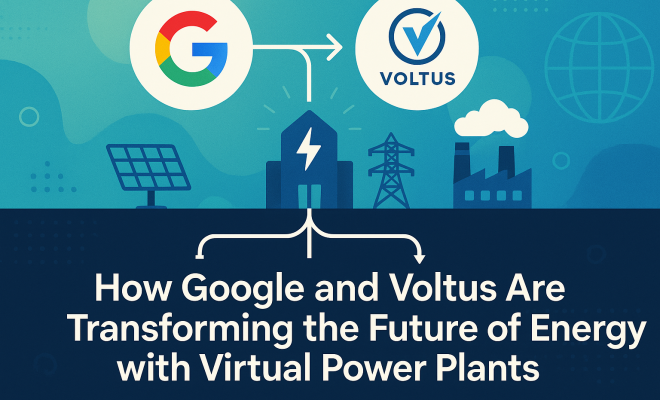
Google & Voltus: Revolutionizing Energy with Virtual Power Plants
“`html
The energy landscape is evolving rapidly, and one of the most exciting developments in this arena is the recent partnership between tech giant Google and energy management company Voltus. The two have expanded their collaboration to create virtual power plants (VPPs) that could redefine how we think about energy consumption and grid reliability. This deal not only highlights the growing intersection of technology and energy but also emphasizes the importance of distributed energy resources and demand-side flexibility in today’s energy-dependent society.
1. The Concept of Virtual Power Plants: Understanding the Basics
At the heart of this partnership lies the concept of a virtual power plant. But what exactly is a virtual power plant? In simple terms, a VPP aggregates the capacity of numerous small-scale energy resources, such as home solar panels, batteries, and smart appliances, into a single, manageable entity that can respond to energy demand like a traditional power plant. These small devices and loads, often referred to as distributed energy resources (DERs), can be harnessed to provide energy or reduce demand during peak times, ultimately contributing to grid stability.
This model is somewhat counterintuitive to those unfamiliar with energy systems. When thousands of individual devices work in concert, they can behave like a single large power facility. This level of coordination allows for more efficient energy use, lowers costs for consumers, and reduces the need for fossil fuel-based power generation. In a world increasingly concerned with climate change and energy sustainability, VPPs present a compelling solution to meet both environmental and economic goals.
2. The Google-Voltus Partnership: A Game-Changer in Energy Tech
The collaboration between Google and Voltus represents a significant milestone in the field of energy technology. Google, known for its innovative approach to leveraging technology for various applications, has now turned its sights on the energy sector. By integrating Voltus’s expertise in demand response and distributed energy resources with Google’s advanced data analytics and artificial intelligence capabilities, the two companies aim to create a more flexible and reliable energy grid.
The partnership’s strength lies in its ability to harness vast amounts of data to optimize energy consumption. By analyzing real-time energy usage patterns, Google can help Voltus identify when and where to deploy energy resources most effectively. This not only enhances grid reliability but also empowers consumers to manage their energy use more efficiently, potentially leading to lower utility bills and a reduced carbon footprint.
3. Why Virtual Power Plants Are Gaining Traction: The Demand for Energy Flexibility
As the world continues to grapple with the effects of climate change, the need for reliable and flexible energy solutions has never been more critical. Virtual power plants are gaining traction because they provide a means to integrate renewable energy sources, such as solar and wind, into the grid more effectively. These energy sources are often variable, meaning they can produce power inconsistently based on weather conditions. VPPs help smooth out these fluctuations by coordinating multiple smaller power sources.
Moreover, as electric vehicles (EVs) become more prevalent, the demand for electricity is expected to increase significantly. Virtual power plants offer a way to manage this growing demand without the need for building additional fossil fuel plants. Instead of relying on traditional power generation, VPPs can tap into a multitude of small energy producers and adjust consumption dynamically, ensuring a stable energy supply during peak periods.
4. The Role of AI in Enhancing VPPs: A Technological Revolution
The integration of artificial intelligence into the operation of virtual power plants marks a revolutionary step forward in energy management. AI algorithms can predict energy demand trends with remarkable accuracy, allowing for proactive adjustments to energy distribution. This can lead to significant cost savings for both consumers and utility companies.
Additionally, AI can optimize the scheduling of energy resources, ensuring that renewable energy is utilized to its fullest potential. By analyzing data on energy generation and consumption patterns, AI can identify the best times to draw power from storage or deploy energy back to the grid. This level of sophistication can help balance supply and demand in real time, enhancing grid reliability and reducing the likelihood of blackouts or energy shortages.
5. Consumer Benefits: How VPPs Empower Users
The benefits of virtual power plants extend beyond just energy providers; they also significantly empower consumers. By participating in a VPP, individuals can have more control over their energy usage and costs. For instance, those with solar panels or battery storage systems can sell excess energy back to the grid during peak demand hours, generating extra income while helping to stabilize the grid.
Moreover, consumers can also benefit from reduced energy prices. VPPs help lower overall energy costs by decreasing reliance on expensive peak power generation. As more consumers engage with VPPs and smart home technologies, the potential for personalized energy management increases, allowing individuals to optimize their consumption based on real-time pricing and demand signals.
6. Environmental Impact: A Step Toward Sustainability
One of the most significant advantages of virtual power plants is their positive impact on the environment. As VPPs facilitate the integration of renewable energy sources, they contribute to a reduction in greenhouse gas emissions. By relying less on fossil fuels and more on clean energy, VPPs help combat climate change and promote a more sustainable energy future. (See: Understanding virtual power plants.)
Furthermore, the scalability of virtual power plants means that they can be implemented in various settings—from residential areas to commercial buildings and even industrial sites. This flexibility allows for a more widespread adoption of clean energy technologies, ultimately leading to a greener economy. As society pushes for greater sustainability, partnerships like that of Google and Voltus will be at the forefront of driving change in the energy sector.
7. Challenges Ahead: Overcoming Barriers to Adoption
Despite the many advantages of virtual power plants, there are also challenges that must be addressed for widespread adoption. One significant hurdle is the regulatory landscape surrounding energy distribution. In many regions, energy markets are still structured around traditional power generation methods, making it difficult for VPPs to operate effectively.
Additionally, there is a need for robust communication infrastructure to support the real-time data exchanges required for VPPs to function optimally. Ensuring that all devices within a VPP can communicate seamlessly is crucial for its success. This may require substantial investment in technology and collaboration among various stakeholders, including utilities, regulators, and technology providers.
8. The Future of Energy: A New Paradigm
The collaboration between Google and Voltus is just the beginning of what promises to be a transformative era in energy management. As the demand for electricity continues to grow and the need for sustainable solutions becomes more urgent, virtual power plants will likely play a pivotal role in shaping the future of the energy landscape. With advances in technology and increasing awareness of environmental issues, the potential for VPPs is immense.
As more companies and consumers recognize the benefits of participating in VPPs, we can expect to see a shift in how energy is produced, consumed, and managed. This new paradigm not only prioritizes efficiency and cost savings but also emphasizes the critical importance of sustainability in energy systems.
9. Conclusion: Embracing the Future with Virtual Power Plants
The expansion of the virtual power plant deal between Google and Voltus signifies a major leap forward in the integration of technology and energy management. As we move towards an increasingly electrified future, embracing innovative solutions like VPPs will be crucial to ensuring a reliable, flexible, and sustainable energy grid. The efforts of these two companies could pave the way for more comprehensive energy management systems that empower consumers, reduce costs, and promote environmental stewardship.
As the energy landscape continues to evolve, it’s exciting to think about the possibilities that lie ahead. With partnerships like this at the forefront, we can look forward to a more resilient and sustainable energy future, driven by the power of virtual power plants.
10. Understanding the Technology Behind VPPs
To fully appreciate how virtual power plants function, it’s essential to understand the underlying technologies that make them possible. A VPP relies on a combination of Internet of Things (IoT) devices, data analytics, and cloud computing to monitor and manage distributed energy resources effectively.
IoT devices—including smart meters, solar inverters, and energy management systems—act as the eyes and ears of a VPP. They collect real-time data on energy generation and consumption, which is transmitted to a centralized management platform. This platform utilizes advanced data analytics to process the information, allowing for predictive modeling and real-time decision-making. Such technologies ensure that energy distribution can be intelligently adjusted based on current demand and supply conditions.
The cloud computing aspect provides the necessary infrastructure for scaling VPP operations. By hosting data and applications in the cloud, VPPs can efficiently handle vast amounts of data from numerous sources without the need for extensive on-premises hardware. This flexibility allows for rapid adaptation to changing energy markets and consumer needs.
11. Success Stories: VPPs in Action
There are several successful examples of virtual power plants operating around the world, showcasing their potential to revolutionize energy management. One notable instance is the Tesla Virtual Power Plant in South Australia. This initiative aggregates energy from thousands of residential solar systems and battery installations, providing a reliable source of power to the grid while offering financial incentives to participants.
Another example is the VPP program in Germany, where various municipalities have implemented VPPs to cope with the growing share of renewable energy in their energy mix. These plants allow for better integration of solar and wind energy, reducing dependence on fossil fuels and enhancing grid stability.
These success stories prove that VPPs can effectively manage distributed energy resources, demonstrating their viability as a key component of modern energy systems. (See: Research on distributed energy resources.)
12. Statistics on VPP Adoption
The growth of virtual power plants is supported by a range of statistics that illustrate their rising importance in the energy sector. According to recent research, the global VPP market is expected to reach over $20 billion by 2025, growing at a compound annual growth rate (CAGR) of more than 20%.
Furthermore, a study by the Rocky Mountain Institute found that VPPs could reduce energy costs by up to 30% for consumers by optimizing energy usage and integrating renewable sources. With the increasing deployment of smart technologies and the shift towards decentralized energy systems, the adoption of VPPs is anticipated to accelerate even further.
13. Comparison of VPPs and Traditional Power Plants
Understanding the differences between virtual power plants and traditional power plants can provide deeper insight into why VPPs are gaining momentum. Traditional power plants are typically large, centralized facilities that rely on fossil fuels or nuclear power, whereas VPPs decentralize energy production by aggregating small-scale, distributed resources.
This decentralization offers several advantages. VPPs are less vulnerable to single points of failure, as the energy supply is drawn from multiple sources. Additionally, they can respond more flexibly to fluctuating demand and can easily incorporate renewable energy sources, which are becoming increasingly vital in combating climate change.
While traditional plants can provide a consistent energy supply, VPPs allow for greater resilience, adaptability, and sustainability, aligning better with modern energy needs.
14. FAQ: Virtual Power Plants
What are the key components of a virtual power plant?
A virtual power plant typically consists of distributed energy resources (like solar panels and batteries), IoT devices for monitoring, a centralized management platform for data analytics, and communication infrastructure to facilitate coordination among the various components.
How do consumers benefit from participating in a VPP?
Consumers can benefit by reducing their energy costs, gaining control over their energy consumption, and receiving financial incentives for participating in demand response programs. Additionally, they can contribute to grid stability and sustainability by maximizing the use of renewable energy.
Are virtual power plants effective in all regions?
The effectiveness of VPPs can vary depending on regional energy markets, regulatory frameworks, and the availability of distributed energy resources. Regions with supportive policies and a high penetration of renewable energy tend to see more significant benefits from VPP implementations.
What role do regulations play in the development of VPPs?
Regulatory frameworks significantly influence the growth of VPPs. Supportive policies can encourage investment and innovation, while restrictive regulations may hinder their development. Collaborative efforts among stakeholders, including governments, utilities, and technology providers, are essential to create a conducive environment for VPPs.
Can virtual power plants help during energy crises?
Yes, VPPs can play a crucial role in energy crises by providing additional capacity to the grid during peak demand periods or unexpected outages. By tapping into a diverse array of distributed resources, VPPs can quickly respond to changes in energy demand, ensuring a more stable and resilient energy supply.
How does AI improve the efficiency of virtual power plants?
AI enhances the efficiency of VPPs by enabling real-time data analysis, predictive modeling, and optimized resource scheduling. This leads to better decision-making in energy management, ensuring that resources are utilized effectively and that consumers are able to minimize costs while maximizing their contributions to grid stability.
15. Global Perspectives on VPPs: How Different Countries are Adopting the Technology
Virtual power plants are not just a trend in the U.S.; they are gaining traction globally. Countries like Germany, Australia, and Japan are leading the charge in integrating VPPs into their energy frameworks. For example, Germany has established a robust network of VPPs, primarily leveraging its wealth of renewable energy sources. This has allowed them to transition from fossil fuels to renewables more seamlessly than many other nations. (See: IEEE publications on energy systems.)
Similarly, in Australia, the government’s support for decentralized energy generation has led to the proliferation of VPPs, especially in residential sectors. Initiatives like the Tesla VPP have shown how aggregating household solar and battery systems can stabilize the grid while providing economic benefits to participants.
Japan is also making strides in VPP development, especially following the Fukushima disaster. The country is focusing on enhancing grid stability through decentralized energy resources, including VPPs that integrate renewable energy sources and energy storage technologies. These global examples demonstrate that VPPs can be tailored to meet local energy needs and conditions, presenting a flexible solution to energy management challenges worldwide.
16. Future Trends in Virtual Power Plants: What Lies Ahead
The future of virtual power plants appears promising as technological advancements continue to reshape the energy landscape. One trend likely to evolve is the integration of blockchain technology. By using blockchain, VPPs can enhance the transparency and traceability of energy transactions, allowing for peer-to-peer exchanges of energy among consumers and generating trust in decentralized energy markets.
Another trend is the increasing role of battery storage systems. As technology improves and costs decrease, more households and businesses will incorporate battery storage to manage energy use more effectively. This shift will not only contribute to the success of VPPs but will also empower consumers to become active participants in the energy market.
Moreover, the rise of smart grids, which use technology to monitor and manage energy flows, will further enhance the functionality of VPPs. With real-time communication between consumers and the grid, VPPs can become even more responsive to demand fluctuations, driving efficiencies that were previously unattainable.
17. Challenges and Considerations for VPP Implementation
While the prospects for virtual power plants are bright, several challenges must be considered for successful implementation. One major challenge is the integration of diverse technologies and systems. Different manufacturers produce various types of DERs, and ensuring interoperability among these devices is crucial for a VPP’s success. Standardization will be key to addressing this issue and fostering a more cohesive energy ecosystem.
Additionally, public perception and consumer education are vital. Many consumers may still be unaware of what virtual power plants are and how they can benefit from participating. Education campaigns that highlight the advantages of VPPs, such as financial incentives, environmental impact, and energy security, will be essential to driving engagement.
Finally, investment in infrastructure will be necessary to support the growth of virtual power plants. Whether through upgrades to grid systems, advanced metering infrastructure, or communication technologies, financial resources must be allocated to ensure that VPPs can operate at their full potential.
“`
Trending Now
Frequently Asked Questions
What is a virtual power plant?
A virtual power plant (VPP) aggregates small-scale energy resources like home solar panels, batteries, and smart appliances to act as a single entity. This coordinated approach allows these distributed energy resources to respond to energy demand, enhancing grid stability and efficiency.
How do virtual power plants work?
Virtual power plants work by connecting numerous small energy resources, enabling them to operate together as a unified power source. During peak demand, these resources can either provide energy or reduce consumption, helping to stabilize the grid and lower costs for consumers.
What are the benefits of virtual power plants?
The benefits of virtual power plants include enhanced energy efficiency, reduced reliance on fossil fuels, lower consumer costs, and improved grid reliability. They also contribute to environmental sustainability by integrating renewable energy sources into the energy mix.
How is Google involved in energy management?
Google is involved in energy management through its partnership with Voltus to create virtual power plants. This collaboration aims to leverage technology to optimize energy consumption and enhance grid reliability, showcasing the intersection of tech and energy sectors.
What role does Voltus play in the energy sector?
Voltus plays a crucial role in the energy sector by managing distributed energy resources and enabling demand-side flexibility. Their partnership with Google aims to innovate energy management solutions and improve the efficiency of energy systems through virtual power plants.
What’s your take on this? Share your thoughts in the comments below — we read every one.