Mayo Clinic Diet: Sustainable Weight Loss & Health Transformation
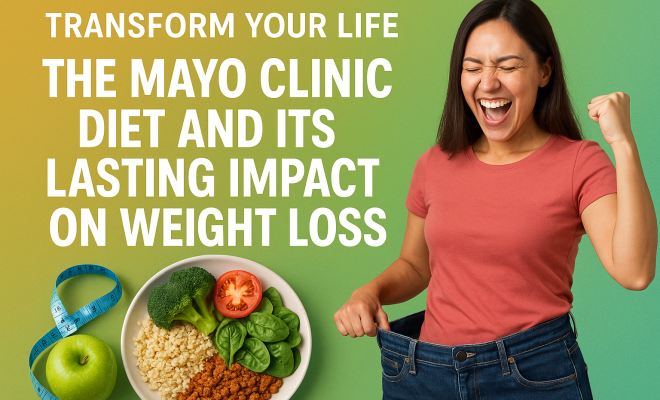
“`html
The struggle against weight gain isn’t just a battle against calories; it’s a challenge against habits ingrained in our daily lives. Enter the Mayo Clinic Diet, a long-term weight-loss program designed not just to shed pounds but to reshape the way you think about food and health. Rather than promising quick fixes or fad diets, the Mayo Clinic emphasizes sustainable lifestyle changes, making it a compelling option for anyone looking to eat healthier and enjoy long-lasting results.
What is the Mayo Clinic Diet?
The Mayo Clinic Diet is more than just a diet; it is a comprehensive approach to weight management. Developed by nutrition experts at the renowned Mayo Clinic, this program encourages participants to make thoughtful choices, focusing on long-term health rather than short-term results. With its foundation rooted in evidence-based recommendations, the diet aims to help you establish healthy eating habits that can last a lifetime.
The Mayo Clinic Diet promotes a balanced approach to eating, emphasizing the importance of fruits and vegetables, whole grains, lean proteins, and healthy fats. It encourages you to move away from processed foods and minimize added sugars and unhealthy fats. By following these guidelines, individuals can create a personalized eating plan that suits their tastes and lifestyle.
The Two Phases of the Mayo Clinic Diet
This diet unfolds in two distinct phases: the Lose It! phase and the Live It! phase. The first phase is designed for quick weight loss, where participants can expect to lose 6 to 10 pounds in the initial two weeks. Here, the focus is on adopting healthier habits and learning how to make better food choices.
During the Lose It! phase, you set a target weight and are encouraged to eat a variety of foods, emphasizing fruits, vegetables, and whole grains while avoiding high-calorie options. This phase provides a strong kickstart, enabling individuals to see results quickly, which can be motivating.
After reaching your weight loss goals, the Live It! phase begins. This phase focuses on maintaining your weight loss and continuing to build upon the healthy habits you’ve developed. You’ll learn about portion control, meal planning, and how to navigate social situations without compromising your health.
Transforming Habits, Not Just Dieting
What sets the Mayo Clinic Diet apart from other popular weight-loss programs is its emphasis on changing daily habits rather than imposing strict rules. Have you ever found yourself munching mindlessly while binge-watching your favorite show? The Mayo Clinic Diet identifies such behaviors as obstacles to successful weight management. By raising awareness of your eating habits, you can begin to make conscious choices that align with your health goals.
For instance, the program encourages you to practice mindful eating. This means taking the time to savor each bite and recognizing when you’re full, rather than finishing your plate out of habit. It also discourages multitasking during meals, highlighting the importance of sitting down to enjoy your food without distractions.
The Role of Physical Activity
Another cornerstone of the Mayo Clinic Diet is physical activity. Aiming for at least 30 minutes of moderate exercise most days of the week is crucial for achieving and maintaining weight loss. This doesn’t mean you have to hit the gym for hours; it could be as simple as taking a brisk walk during your lunch break or participating in an online workout class from home.
The Mayo Clinic emphasizes that the key is to find activities you genuinely enjoy. If you love dancing, sign up for a dance class. If you prefer the outdoors, consider hiking or cycling. By incorporating enjoyable activities into your routine, you’re more likely to stick with it, making exercise a regular part of your life rather than a chore.
Understanding the Food Pyramid
To aid in making healthier choices, the Mayo Clinic provides a food pyramid that serves as a visual guide. At the base of this pyramid are fruits and vegetables, which should make up a significant portion of your daily intake. The pyramid then includes whole grains, lean proteins, and healthy fats as you move up.
This visual representation helps you assess your meals and ensure you’re including a variety of food groups. For example, if you find yourself often reaching for processed snacks, the pyramid serves as a reminder to opt for fresh produce or whole grains instead. By following this structure, you can cultivate a well-rounded diet that supports your weight loss and overall health. (See: Research on weight management strategies.)
Portion Control and Mindful Eating
A crucial aspect of the Mayo Clinic Diet is portion control. Many people underestimate the amount of food they consume, leading to unintentional weight gain. To combat this, the program offers portion-estimation guidance that helps you visualize appropriate serving sizes.
For instance, a serving of fruit is roughly the size of a tennis ball, while a serving of protein should be about the size of a deck of cards. By familiarizing yourself with these visual cues, you can make more informed choices about how much to eat, which is essential for maintaining a healthy weight.
Mindful eating goes hand-in-hand with portion control. This practice encourages you to slow down during meals, appreciating the tastes and textures of your food. It also fosters a deeper connection with your hunger levels, helping you distinguish between physical hunger and emotional eating.
Adapting to Social Situations
One of the most challenging aspects of maintaining a healthy diet is navigating social situations. Whether it’s a birthday party or a work gathering, food is often at the center of social interactions. The Mayo Clinic Diet provides strategies for managing these scenarios without compromising your goals.
Planning ahead is crucial. Before attending an event, consider reviewing the menu if it’s available or eat a light snack beforehand to avoid arriving famished. This way, you can indulge in small portions of your favorite foods without overindulging.
Additionally, the program encourages open communication. Sharing your health goals with friends and family can create a supportive environment that helps you stay on track. When people understand your objectives, they may be less likely to pressure you into unhealthy choices.
Long-Term Success and Maintenance
Sustainability is at the core of the Mayo Clinic Diet. While the initial phases focus on weight loss, the ultimate goal is to maintain your new weight and healthy habits. This is where many diets fall short, but the Mayo Clinic provides tools and resources to help you succeed long term.
Regularly tracking your food intake and exercise can keep you accountable and identify patterns. This can be done through a journal or using apps designed for this purpose. By analyzing your habits and adjusting as necessary, you can prevent weight regain and stay aligned with your health goals.
Expert Insights and Success Stories
Numerous experts endorse the Mayo Clinic Diet as a viable weight-loss program, appreciating its focus on healthy lifestyle changes rather than temporary fixes. Registered dietitians and nutritionists emphasize the importance of creating sustainable habits that contribute to long-term health and wellness.
There are countless success stories from individuals who have transformed their lives through the Mayo Clinic Diet. Many share how they not only lost weight but also experienced improved energy levels, better sleep, and enhanced overall well-being. These personal accounts serve as powerful motivation for others considering a lifestyle change.
Getting Started with the Mayo Clinic Diet
If you’re ready to transform your eating habits and embrace a healthier lifestyle, getting started with the Mayo Clinic Diet is simpler than you might think. Begin by visiting the Mayo Clinic’s official website, where you can access resources, meal plans, and tracking tools designed to support you on your journey.
Consider taking a moment to reflect on your current eating habits and identify areas for improvement. Whether it’s incorporating more vegetables, reducing sugar intake, or increasing physical activity, setting specific goals can provide a clear pathway to success.
Finally, remember that change takes time. Be patient with yourself as you embark on this journey. Celebrate small victories along the way, whether it’s drinking more water, trying a new vegetable, or completing a workout. These achievements will build momentum and encourage you to stay committed to your goals.
Common Misconceptions about the Mayo Clinic Diet
There are several misconceptions surrounding the Mayo Clinic Diet that can lead to confusion. One prevalent myth is that it requires extreme calorie restriction or that you have to eliminate entire food groups. In reality, the Mayo Clinic Diet encourages balanced eating, allowing you to enjoy a wide variety of foods. This flexibility is one of the factors that make it sustainable in the long run. (See: CDC on healthy weight assessment.)
Another misconception is that the diet is a short-term solution. While the initial phase offers a structured approach for substantial weight loss, the long-term focus on maintaining healthy habits sets it apart from many other diets that often lead to yo-yo dieting.
Nutrition Science Behind the Mayo Clinic Diet
The Mayo Clinic Diet is rooted in sound nutritional science. Research shows that diets rich in fruits, vegetables, whole grains, and lean proteins contribute to overall health and weight management. According to a study published in the New England Journal of Medicine, individuals who consume a higher proportion of plant-based foods tend to have lower body mass indices (BMIs) and reduced risks of chronic diseases.
Additionally, the Mayo Clinic emphasizes the importance of healthy fats, such as those found in avocados, nuts, and olive oil, which can aid in the absorption of vitamins and provide essential fatty acids necessary for bodily functions.
Statistics on Weight Loss with the Mayo Clinic Diet
Statistics can provide insight into the effectiveness of the Mayo Clinic Diet. Research indicates that individuals who follow the Mayo Clinic Diet can expect to lose an average of 1 to 2 pounds per week, which is a sustainable rate of weight loss. This gradual approach not only promotes fat loss but also helps preserve muscle mass, which is critical for maintaining metabolism.
A survey conducted by the Mayo Clinic found that over 60% of participants reported feeling more energetic and healthier after just a few weeks on the diet. Many also noted improvements in their emotional well-being, as adopting healthier eating habits often leads to a positive mindset.
Real-Life Applications of the Mayo Clinic Diet
Implementing the Mayo Clinic Diet into your daily routine can be straightforward. Here are some practical strategies to help you get started:
- Meal Prep: Spend a few hours each week prepping meals. This can save time during busy weekdays and ensure you have healthy options readily available.
- Healthy Snacking: Keep healthy snacks on hand, like cut-up vegetables, fruits, or nuts, to avoid reaching for unhealthy options when hunger strikes.
- Cooking at Home: Preparing meals at home gives you control over ingredients and portion sizes. Explore new recipes that align with the dietary guidelines of the Mayo Clinic Diet.
FAQs about the Mayo Clinic Diet
1. Is the Mayo Clinic Diet suitable for everyone?
While the Mayo Clinic Diet is generally safe for most individuals, it’s always best to consult with a healthcare professional before starting any new diet, especially if you have underlying health conditions or specific dietary needs.
2. How much weight can I expect to lose on the Mayo Clinic Diet?
On average, participants can expect to lose 1 to 2 pounds per week during the initial phases, with many experiencing greater weight loss in the first two weeks.
3. Can I customize my meal plans on the Mayo Clinic Diet?
Absolutely! The Mayo Clinic Diet encourages personalization to suit your taste preferences and dietary needs, allowing you to create a meal plan that’s enjoyable and sustainable.
4. What types of foods are encouraged on the Mayo Clinic Diet?
The diet focuses on whole foods, including fruits, vegetables, whole grains, lean proteins, and healthy fats, while minimizing processed foods, added sugars, and unhealthy fats.
5. What happens if I go off the diet?
Life can be unpredictable, and it’s natural to have occasional slip-ups. The key is to get back on track as soon as possible. The Mayo Clinic Diet teaches you strategies to recover and maintain your healthy habits, even after a setback.
6. How often should I exercise while on the Mayo Clinic Diet?
The Mayo Clinic recommends at least 150 minutes of moderate-intensity aerobic activity each week, along with strength training on two or more days a week.
7. Is there a support system available for those on the Mayo Clinic Diet?
The Mayo Clinic offers various resources, including online communities, meal-planning tools, and tools to track your progress, helping you stay connected and motivated throughout your journey.
Benefits of the Mayo Clinic Diet
The Mayo Clinic Diet doesn’t just help with weight loss; it offers a slew of other benefits that enhance overall health. By encouraging a balanced diet rich in nutrients, you’ll likely notice improvements in energy levels, mood, and even skin health.
For instance, the increased intake of fruits and vegetables can lead to better hydration and improved skin tone. Foods rich in antioxidants, such as berries and green leafy vegetables, play a role in reducing inflammation and oxidative stress, which can also enhance skin health.
Moreover, regular physical activity, as integrated into the Mayo Clinic Diet, has been linked with lower rates of depression and anxiety. Exercise releases endorphins, known as the “feel-good” hormones, which can improve your mood and overall mental health, creating a positive feedback loop where a healthier lifestyle leads to better mental clarity and emotional well-being.
Challenges and How to Overcome Them
Embarking on the Mayo Clinic Diet may come with its set of challenges. One common hurdle is the temptation of unhealthy foods, especially if you’re used to having them readily available. To overcome this, consider removing junk food from your pantry and refrigerator. Stock up on healthy snacks and meal ingredients so that when hunger strikes, you’re equipped to make better choices.
Another challenge is the social aspect of dieting. Friends and family might not always understand your commitment to healthier eating, especially during gatherings. In those situations, you could offer to bring a healthy dish to share, or suggest meeting at restaurants with healthy options. This way, you can enjoy socializing without feeling like you’re sacrificing your goals.
Success Stories: Real People, Real Results
Hearing from those who have successfully adopted the Mayo Clinic Diet can be incredibly inspiring. Take Sarah, for instance. After struggling with her weight for years, she turned to the Mayo Clinic Diet. Initially skeptical, she found the guidelines manageable and the support from the online community invaluable. Within six months, Sarah lost 30 pounds and reported feeling more energetic than ever. She attributes her success to the lasting habits she developed, like meal prepping and exercising regularly.
Another inspiring story comes from James, who struggled with high blood pressure and diabetes. Through the Mayo Clinic Diet, not only did he lose weight, but he also saw significant improvements in his health markers. His doctor was impressed with his progress and even reduced his medication dosage. James credits the comprehensive approach of the diet for his transformation, stating that it wasn’t just about losing weight, but learning to live a healthier life.
Final Thoughts
The Mayo Clinic Diet stands as a beacon for those looking to achieve and maintain a healthier lifestyle. By focusing on long-term habits, balanced nutrition, and physical activity, it ensures you’re not just seeing results on the scale, but also improving your overall well-being. Embracing this diet means more than weight loss; it’s about fostering a healthier relationship with food and your body. With the right mindset and support, you can embark on this journey towards a healthier life.
“`
Trending Now
- How Voice Search Reviews Are Reshaping Local Business Discovery
- The Game-Changing Google Review Statistics Every…
- read the full story
- Unlocking Opportunities: How to Discover Recently Funded Startups Before Your Competitors
- our breakdown of understanding the landscape of world news topics: navigating current events and trends
Frequently Asked Questions
What is the Mayo Clinic Diet?
The Mayo Clinic Diet is a comprehensive weight management program developed by experts at the Mayo Clinic. It focuses on sustainable lifestyle changes rather than quick fixes, promoting healthy eating habits that last a lifetime through a balanced approach to food choices.
How does the Mayo Clinic Diet work?
The Mayo Clinic Diet operates in two phases: the Lose It! phase for rapid weight loss and the Live It! phase for long-term maintenance. Participants learn to make healthier food choices and establish lasting habits while aiming to lose weight sustainably.
What can you eat on the Mayo Clinic Diet?
The Mayo Clinic Diet emphasizes fruits, vegetables, whole grains, lean proteins, and healthy fats. It encourages participants to minimize processed foods and added sugars, helping them create a personalized eating plan that suits their lifestyle and preferences.
How much weight can you lose on the Mayo Clinic Diet?
In the initial Lose It! phase of the Mayo Clinic Diet, individuals can expect to lose between 6 to 10 pounds within the first two weeks. This quick weight loss helps motivate participants to adopt healthier habits for the long term.
Is the Mayo Clinic Diet effective for long-term weight loss?
Yes, the Mayo Clinic Diet promotes sustainable lifestyle changes aimed at long-term weight management. By focusing on healthy eating habits and lifestyle adjustments, it helps individuals maintain their weight loss and improve overall health over time.
Agree or disagree? Drop a comment and tell us what you think.