Pumped Storage Hydropower: Revolutionizing Energy Storage
“`html
Pumped storage hydropower (PSH) is gaining traction as a crucial player in the renewable energy landscape. As we transition to a grid increasingly reliant on renewable sources like wind and solar, the need for effective energy storage solutions becomes paramount. In this article, we’ll explore what pumped storage hydropower is, how it works, its benefits, challenges, and its role in future energy systems.
Understanding Pumped Storage Hydropower
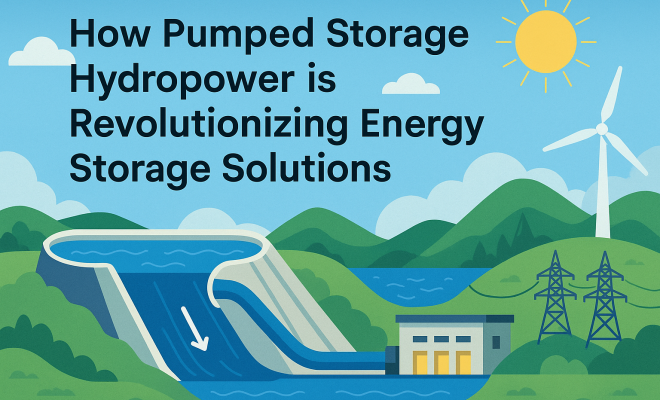
Pumped storage hydropower is often likened to a giant battery. This analogy isn’t just catchy; it accurately reflects how this technology operates. At its core, pumped storage hydropower involves two water reservoirs situated at different elevations. At times of low energy demand, excess electricity is used to pump water from the lower reservoir to the upper one, storing energy in the form of gravitational potential energy.
When energy demand spikes, the stored water is released back down to the lower reservoir, passing through turbines that generate electricity. This back-and-forth movement allows for efficient energy storage and generation, making pumped storage a highly effective method of stabilizing the electric grid. In fact, the U.S. Department of Energy states that PSH accounts for approximately 97% of all grid-scale energy storage in the United States.
The Mechanics of Pumped Storage Hydropower
To fully appreciate how pumped storage hydropower works, it’s essential to grasp the mechanics involved. The process begins with two reservoirs: the upper one at a higher elevation and the lower one at a lower elevation. The pumps are powered by electricity, and when the electricity demand is low, typically at night or during off-peak hours, the pumps push water uphill to the upper reservoir.
When demand is high, the system reverses. Water flows back down through turbines, generating electricity as it descends. This operation can be remarkably efficient, often achieving 70-90% energy conversion efficiency. The flexibility of pumped storage is particularly compelling; it can respond to grid demands almost instantaneously, making it an excellent match for variable renewable energy sources.
The Role of Pumped Storage Hydropower in a Renewable Future
As the world shifts toward more sustainable energy sources, the importance of pumped storage hydropower cannot be overstated. With the rise of solar and wind energy, we face an inherent challenge: these resources are intermittent. The sun doesn’t always shine, and the wind doesn’t always blow. This is where pumped storage can shine.
By acting as a buffer, pumped storage systems can absorb excess energy produced during peak renewable production and release it when demand is high. This ability not only helps balance the grid but also enhances the overall reliability of renewable energy. A study by the National Renewable Energy Laboratory found that integrating more pumped storage could significantly reduce the need for fossil fuel-based peaker plants, which are typically used to meet peak demands.
Economic Benefits of Pumped Storage Hydropower
Investing in pumped storage hydropower can be economically advantageous for both utilities and consumers. The construction of pumped storage facilities typically involves high upfront costs, but their long service life and low operating costs can lead to significant savings over time. According to the U.S. Department of Energy, PSH plants can last for over 50 years, providing a long-term solution to energy storage.
Furthermore, as more renewable energy sources come online, the demand for flexible capacity will increase. Pumped storage can help utilities avoid costly investments in additional generation capacity, especially in regions where renewable energy sources are plentiful but may require backup systems for reliable electricity supply.
Environmental Impact of Pumped Storage Hydropower
While pumped storage hydropower is often viewed as a clean energy solution, it’s essential to consider its environmental implications. The construction of reservoirs can disrupt local ecosystems, affect wildlife habitats, and lead to changes in water quality. Additionally, the land required for such facilities can be significant. (See: What is Pumped Storage Hydropower.)
However, these impacts can often be less severe compared to other forms of electricity generation, such as fossil fuels. Many pumped storage projects include measures to mitigate environmental impacts, such as fish passage systems and habitat restoration initiatives. Overall, the environmental trade-offs of pumped storage need careful consideration, but with proper management, its benefits can outweigh the drawbacks.
Challenges Facing Pumped Storage Hydropower
Despite its advantages, pumped storage hydropower faces several challenges that could hinder its growth. One significant barrier is the high capital cost associated with building new pumped storage facilities. These projects can require a substantial investment, and securing funding in a competitive energy market can be difficult.
Moreover, the availability of suitable sites for new pumped storage projects is limited. Many of the most favorable locations have already been developed, and finding new locations that meet the necessary elevation and environmental criteria can be a complex process. Additionally, regulatory hurdles and public opposition can further complicate the development of new facilities.
Comparative Energy Storage Solutions
When discussing energy storage, it’s crucial to compare pumped storage hydropower with other technologies. Lithium-ion batteries, for instance, have gained popularity due to their scalability and efficiency in smaller applications. They’re widely used in electric vehicles and residential solar systems. However, while batteries can provide fast response times and flexibility, they also come with limited capacity and shorter lifespan.
In contrast, pumped storage can provide much larger storage volumes needed for grid-scale applications. While lithium-ion batteries are excellent for quick, short bursts of energy, pumped storage shines in its ability to store large amounts of energy over longer periods. For instance, energy stored in pumped storage can be dispatched over several hours or even days, whereas batteries typically discharge within a couple of hours.
Case Studies of Successful Pumped Storage Projects
Examining successful pumped storage projects can provide insight into its potential. One of the most notable examples is the Bath County Pumped Storage Station in Virginia. With a capacity of 3,003 megawatts (MW), it is the largest pumped storage facility in the U.S. This facility has been a critical component of the regional grid, providing essential services such as load-shifting and frequency regulation.
Another significant project is the Goldisthal Pumped Storage Power Plant in Germany, which has a capacity of 1,060 MW. This plant plays a vital role in balancing the fluctuating output from Germany’s substantial wind and solar energy sectors, highlighting how pumped storage can facilitate the integration of renewables on a large scale.
Future Outlook for Pumped Storage Hydropower
The future of pumped storage hydropower looks promising, especially as the demand for reliable energy storage solutions continues to grow. As countries around the world commit to decarbonizing their energy systems, pumped storage is likely to play a significant role in these efforts. Recent advancements in technology are improving the efficiency and reducing the costs of pumped storage systems, making them more attractive for investment.
Moreover, as grid operators seek to enhance reliability, integrate higher shares of renewables, and prepare for the challenges posed by climate change, pumped storage hydropower can offer a robust solution. Policymakers and energy planners must recognize its potential and support the development of new pumped storage projects through favorable regulations and funding initiatives.
Technological Innovations in Pumped Storage Hydropower
Technological advancements are playing a critical role in enhancing the efficiency and effectiveness of pumped storage hydropower. Innovations in turbine design, for example, have led to more efficient energy conversion. Modern turbines can operate effectively over a broader range of water flow and pressure, enabling better performance across varying demand scenarios. Additionally, developments in pump technology are allowing for faster transitions between pumping and generating modes, further improving system responsiveness.
The integration of digital technologies, such as predictive analytics and advanced monitoring systems, is also revolutionizing pumped storage operations. These technologies enable operators to optimize performance by predicting demand patterns and adjusting operations accordingly. With data-driven insights, facilities can enhance their efficiency, reduce wear and tear on equipment, and minimize maintenance costs. (See: Pumped-storage hydroelectricity.)
The Global Landscape of Pumped Storage Hydropower
Pumped storage hydropower is not just prevalent in the United States; it’s a global phenomenon. Countries like China, Switzerland, and Japan have made significant investments in pumped storage facilities. For instance, China leads the world in pumped storage capacity, boasting several large-scale projects that play a crucial role in stabilizing its rapidly expanding grid. The Xiluodu Pumped Storage Power Station, for example, has a capacity of over 3,000 MW, showcasing the scale at which pumped storage can operate.
In Europe, countries are also recognizing the value of pumped storage as a means to balance their energy systems. The European Union has set ambitious climate goals, and pumped storage is poised to play a vital role in meeting these targets by supporting the integration of renewables. Various initiatives are underway to explore new pumped storage projects, with emphasis on sustainability and minimizing environmental impact.
Funding and Policy Support for Pumped Storage Hydropower
Funding and policy support are critical for the growth of pumped storage hydropower. Many countries are starting to recognize the need for energy storage as a foundational element of their energy transition strategies. This recognition has led to increased governmental and private sector investments in pumped storage projects. For example, the U.S. Department of Energy has announced funding opportunities aimed at modernizing existing facilities and developing new projects.
In addition to direct funding, supportive regulations can also facilitate the growth of pumped storage. Streamlined permitting processes, renewable energy credits, and tax incentives can make pumped storage more appealing to investors. As energy markets evolve, it’s essential for policymakers to create an environment that encourages innovation and investment in pumped storage technologies.
Public Perception and Community Involvement
Public perception plays a significant role in the development of pumped storage hydropower projects. Engaging local communities is essential for overcoming objections and gaining support for new facilities. Transparency about the environmental impacts and the benefits that pumped storage can bring to the community is crucial in building trust. Community outreach initiatives that focus on education and collaboration can help address concerns and foster a positive relationship with local stakeholders.
Moreover, involving communities in the development process can lead to better project outcomes. For example, local knowledge can inform site selection, leading to less disruption of ecosystems and wildlife habitats. When communities feel that they have a say in the process, they are more likely to support pumped storage projects and help ensure their success.
FAQ about Pumped Storage Hydropower
What is the main purpose of pumped storage hydropower?
The primary purpose of pumped storage hydropower is to store excess electricity generated during periods of low demand and release it during high demand. This helps to stabilize the grid and ensure a reliable power supply.
How does pumped storage compare in terms of efficiency with other storage methods?
Pumped storage typically achieves energy conversion efficiencies of 70-90%, which is competitive with other storage methods like lithium-ion batteries, which have lower efficiency over longer durations but excel in rapid discharge scenarios.
What are the geographical requirements for pumped storage plants?
Pumped storage facilities require two water reservoirs at different elevations, which ideally means locating them in hilly or mountainous areas. The site must also have sufficient water supply and minimal environmental impact potential.
Are there any significant environmental risks associated with pumped storage?
Yes, while pumped storage is considered cleaner than fossil fuels, it can disrupt local ecosystems and wildlife habitats during construction and operation. Careful planning and mitigation strategies are necessary to minimize these impacts. (See: Pumped Storage Hydropower Overview.)
How long do pumped storage facilities typically last?
Most pumped storage hydropower facilities have a lifespan of 30 to 50 years, with some lasting even longer. Regular maintenance and upgrades can extend their operational life significantly.
What future developments are expected in pumped storage technology?
Future developments may include improved turbine designs, enhanced efficiency through advanced materials, and better integration with smart grid technologies to optimize performance and operational flexibility.
Emerging Trends in Pumped Storage Hydropower
As the energy landscape evolves, several trends are emerging within the pumped storage sector. One notable trend is the increasing integration of pumped storage with renewable energy sources. Developers are exploring hybrid models that combine wind and solar generation with pumped storage facilities to enhance overall system reliability. For example, a solar farm could generate excess electricity during the day, which would then be used to pump water in a nearby storage facility, effectively creating a synergy that maximizes the use of renewable resources.
Additionally, the concept of “closed-loop” pumped storage is gaining traction. Unlike traditional systems that rely on natural water bodies, closed-loop systems use two artificial reservoirs, minimizing environmental impacts while maximizing energy storage potential. This method offers greater flexibility in site selection, making it easier to locate pumped storage facilities in less ecologically sensitive areas.
Investment in Pumped Storage Technologies
The investment landscape for pumped storage hydropower is becoming increasingly attractive. Investors are recognizing the necessity of energy storage in achieving a resilient and reliable grid. In the U.S., the Federal Energy Regulatory Commission (FERC) is encouraging new investment in energy storage technologies, and various states are implementing energy storage mandates, creating a favorable market for pumped storage projects. In 2022 alone, investments in energy storage technologies exceeded $15 billion globally, with a significant portion directed towards pumped storage development.
Moreover, the ongoing transition towards decarbonization is prompting financial institutions to focus on sustainable investments. Green bonds and other financial instruments are emerging, providing a funding avenue for renewable energy projects, including pumped storage. This shift is crucial for funding new projects that can meet both energy demands and environmental goals.
Conclusion
Pumped storage hydropower stands out as a versatile and effective energy storage solution in the transition toward renewable energy. Its ability to store vast amounts of energy, provide grid stability, and minimize reliance on fossil fuels cannot be overlooked. As we move forward, understanding and embracing this technology will be vital in building a sustainable energy future.
“`
Trending Now
- our breakdown of how voice search reviews are reshaping local business discovery
- this guide on the game-changing google review statistics every business owner needs to know in 2026
- this guide on unlocking the future: how claude code seo can propel startups to new heights
- Unlocking Opportunities: How to Discover Recently…
- read the full story
Frequently Asked Questions
What is pumped storage hydropower?
Pumped storage hydropower (PSH) is a renewable energy storage solution that uses two water reservoirs at different elevations. During low energy demand, excess electricity pumps water uphill to the upper reservoir, storing energy. When demand rises, the water is released back down, generating electricity through turbines.
How does pumped storage hydropower work?
Pumped storage hydropower works by pumping water from a lower reservoir to an upper one during periods of low energy demand. When demand increases, the stored water flows back down through turbines, converting gravitational potential energy into electricity, thus stabilizing the electric grid.
What are the benefits of pumped storage hydropower?
Pumped storage hydropower offers several benefits, including efficient energy storage, grid stability, and the ability to balance supply and demand. It accounts for about 97% of grid-scale energy storage in the U.S., making it a crucial technology in integrating renewable energy sources.
What challenges does pumped storage hydropower face?
Pumped storage hydropower faces challenges such as high initial construction costs, environmental impacts from reservoir creation, and the need for suitable geographical locations. Additionally, regulatory hurdles and competition from other energy storage technologies can hinder its development.
What role does pumped storage hydropower play in future energy systems?
Pumped storage hydropower plays a vital role in future energy systems by providing a reliable method for energy storage, especially as the reliance on intermittent renewable sources like wind and solar increases. It helps ensure grid stability and energy availability during peak demand periods.
Agree or disagree? Drop a comment and tell us what you think.