Digital Self-Healing Diaries: Transforming Mental Health in China
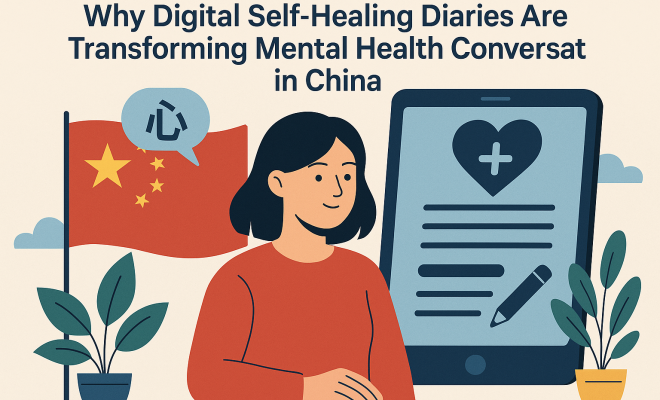
In recent years, the landscape of mental health discourse has undergone a profound transformation, particularly within the realm of social media. One of the most notable phenomena is the rise of digital self-healing diaries on Chinese platforms. These diaries serve as a medium for individuals to openly narrate their experiences with anxiety disorders, sharing everything from symptoms and treatment to personal coping strategies. This shift not only marks a significant change in how mental health issues are perceived but also highlights the growing acceptance of anxiety as an ordinary part of life.
The Emergence of Digital Self-Healing Diaries
Digital self-healing diaries have flourished in China, encouraged by a cultural backdrop that often stigmatizes mental health issues. Users of platforms like Weibo and Xiaohongshu (Little Red Book) have started to document their journeys with anxiety, effectively turning their struggles into relatable content. The primary finding of recent research indicates that these narratives frame anxiety not as a taboo, but rather as an ordinary and relatable experience. This framing resonates deeply with readers who may see their struggles mirrored in the shared stories.
The Power of Relatability
The relatability of these posts is a key factor in their virality. When individuals share their experiences candidly, it fosters a sense of community among readers. As people scroll through their social media feeds, they encounter personal accounts that resonate with their own feelings and experiences. This connection encourages readers not only to engage with the content but also to share it extensively, thereby amplifying the conversation around anxiety. The sheer volume of engagement on these posts serves as a form of social proof, validating the experiences of others who may have previously felt isolated in their struggles.
Normalization of Anxiety: An Empowering Shift
The normalization of anxiety through these digital self-healing diaries presents both empowering and concerning implications. On one hand, openly discussing mental health challenges can destigmatize anxiety, encouraging more individuals to seek help and speak freely about their experiences. This shift can be particularly liberating for those who have long felt that their struggles were unique or shameful.
Furthermore, as stories of anxiety become more commonplace, they contribute to a broader public conversation about mental health visibility. The ability to express vulnerability on social media fosters a culture in which individuals are more likely to share their struggles, creating a ripple effect of openness and understanding.
Concerns About Misinformation
However, this trend is not without its challenges. While the sharing of personal experiences can be therapeutic, there are concerns regarding the potential for misinformation. The informal nature of social media means that not all shared experiences are backed by professional knowledge or understanding. This raises the question of how individuals can navigate the fine line between personal storytelling and providing accurate information about mental health treatment and coping strategies.
Critics worry that the oversimplification of complex issues or the promotion of unverified treatments could trivialize serious mental health conditions. It’s essential for individuals engaging with digital self-healing diaries to approach the content with discernment, recognizing that while shared experiences can be enlightening, they are not substitutes for professional advice.
Building Community and Support
Despite these concerns, the value of community support that arises from these digital platforms cannot be understated. Many users find solace and understanding in the comments and messages stemming from their posts, creating a network of mutual support. This phenomenon underscores the importance of mental health discussions in the digital age, where individuals can connect across geographical barriers.
Moreover, the act of writing about one’s experiences can serve as a therapeutic exercise. For many, the process of documenting their feelings and coping strategies in a digital self-healing diary can lead to increased self-awareness and a better understanding of their own mental health journey.
The Future of Mental Health Sharing
Looking ahead, the trend of sharing anxiety narratives may continue to evolve. As societal attitudes shift towards greater acceptance of mental health discussions, we may see an even broader range of experiences being shared. This could lead to more comprehensive dialogues about not only anxiety but also other mental health conditions that have historically been marginalized.
In conclusion, the rise of digital self-healing diaries in Chinese social media reflects a significant cultural shift in how anxiety is perceived and discussed. As individuals embrace the power of storytelling to connect and heal, the collective narrative surrounding anxiety can inspire change, foster understanding, and ultimately empower individuals to seek help. While caution is warranted regarding misinformation, the potential for these platforms to enhance community support and normalcy in discussing mental health is undeniably promising.