Extreme Day Trips: Unveiling Their True Climate Impact
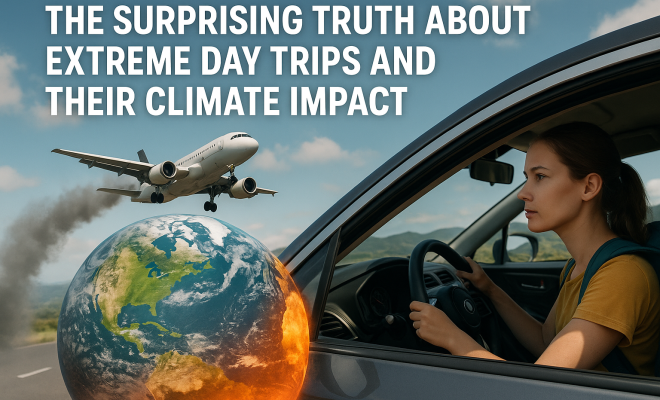
The travel landscape is evolving, and with it comes a growing trend that raises eyebrows and sparks debate: extreme day trips. These short excursions, often involving long-distance flights or high-carbon transportation for just a few hours at a destination, have emerged as a topic of contention in discussions around sustainable travel. As travelers post picturesque moments on social media, questions about the climate costs of such trips intensify.
Understanding Extreme Day Trips
Extreme day trips are defined by their brevity and intensity. A traveler may board a flight across the country, only to spend a mere few hours exploring a city or natural attraction before returning home. The allure of these trips is undeniable, as they promise a whirlwind adventure that can be shared and admired across various platforms. However, this desire for snapshot experiences raises significant concerns about sustainability and responsible tourism.
The Climate Debate: Efficiency vs. Wastefulness
At the core of the backlash against extreme day trips lies a heated debate: are these excursions a clever use of time and resources, or are they a symbol of overconsumption and climate irresponsibility? Proponents argue that they allow for efficient travel, squeezing the most out of one’s vacation time, especially for those with busy schedules. For many, the ability to visit multiple destinations in a short span is aspirational, promising a taste of adventure without the commitment of an extended stay.
On the flip side, critics argue that extreme day trips exemplify a troubling trend in modern travel—one that prioritizes convenience and social media validation over environmental responsibility. The long-distance flights and high-carbon transport options associated with these trips contribute significantly to greenhouse gas emissions, raising alarms among environmentalists and concerned travelers alike. The essence of responsible tourism is being called into question as the travel industry promotes sustainable practices while simultaneously endorsing these ultra-short jaunts.
The Intersection of Travel, Sustainability, and Social Media
The rise of extreme day trips is not only a reflection of changing travel habits but also of the influence of social media. Platforms like Instagram and TikTok have created a culture where visually stunning experiences often trump the deeper implications of travel choices. With hashtags and viral trends driving attention, travelers may feel pressured to partake in these fleeting experiences to maintain relevance in their social circles.
However, this presents a paradox. While travelers seek to showcase their adventures, they may inadvertently promote practices that are at odds with sustainable travel tips. The increasing frequency of extreme day trips raises questions about how to balance the desire for instant gratification with the long-term health of our planet.
Shifting Attitudes Toward Sustainable Travel
The increasing scrutiny surrounding extreme day trips has prompted a broader conversation about what sustainable travel truly means. As travelers become more aware of their carbon footprints, many are seeking alternatives that align with their values. Here are some sustainable travel tips to consider:
- Choose Local Destinations: Opt for nearby getaways that minimize travel time and emissions.
- Travel Off-Peak: Visiting destinations during less busy times can reduce congestion and environmental impact.
- Utilize Eco-Friendly Transport: Where possible, select trains, buses, or electric vehicles over traditional flights or cars.
- Support Local Economies: Engage with local businesses and communities to make a positive impact on the destination.
- Educate Yourself: Stay informed about the environmental impact of your travel habits and seek out sustainable options.
The Future of Travel: A Call for Conscious Choices
As the conversation around extreme day trips continues to evolve, it’s essential for travelers to reflect on their choices. The appeal of quick, flashy experiences may be enticing, but the implications for our planet cannot be ignored. The travel industry must navigate this complex terrain, promoting sustainable travel tips while also embracing the realities of modern travel trends.
Ultimately, the future of travel hinges on a collective commitment to sustainability. By choosing to be conscious travelers, we can enjoy memorable experiences without compromising the health of our environment. The key lies in finding a balance between adventure and responsibility, ensuring that our journeys leave a positive impact both for ourselves and the destinations we cherish.