Mansour Abbas: Ushering in a New Era for Israeli Arab Politics
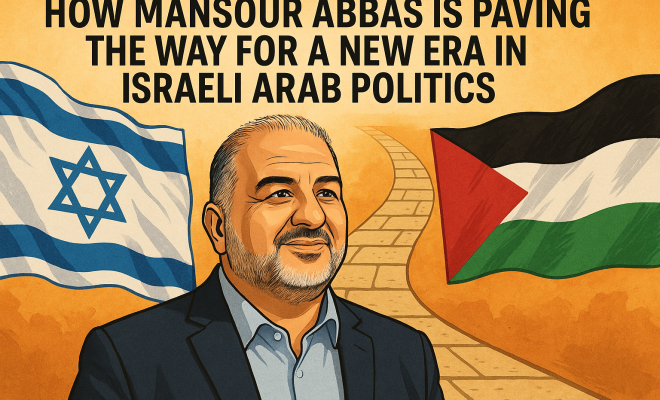
The landscape of Israeli Arab politics is undergoing a dramatic transformation, characterized by the emergence of notable figures such as Mansour Abbas. The leader of the United Arab List (Ra’am) has sparked discussions on whether moderate Arab politics can thrive amid the tumult of domestic and regional pressures. As Israel navigates complex political dynamics, the significance of Abbas’s role cannot be overstated.
The Rise of Mansour Abbas
Mansour Abbas, a key player in Israeli Arab politics, has made headlines with his pragmatic approach. His willingness to engage with the Israeli right has drawn both criticism and admiration. Abbas’s leadership marks a departure from the traditional narrative of Arab political representation, challenging long-held assumptions and stereotypes. By prioritizing the socio-economic needs of Arab citizens over strictly nationalist demands, Abbas is positioning himself as a bridge between communities.
Coalition Politics: A New Reality
Abbas’s participation in the coalition government with Prime Minister Naftali Bennett’s right-wing bloc reflects a profound shift in the political landscape. This coalition is particularly noteworthy because it includes parties that have historically been at odds with Arab interests. Abbas’s decision to join the government was primarily motivated by a desire to address pressing issues affecting Arab communities, such as crime, infrastructure, and housing.
His involvement has not only brought Arab issues to the forefront of national discourse but has also prompted a reevaluation of Arab representation within the Israeli political system. The coalition’s stability hinges on balancing diverse interests, and Abbas’s role is pivotal in ensuring that Arab voices are heard.
Challenges to Moderate Politics
Despite Abbas’s progressive steps in Israeli Arab politics, several challenges loom large. The rise of extremist factions within both the Israeli Jewish and Arab communities poses a threat to moderate voices. Increased polarization has led to an environment where any cooperation with the right can be perceived as betrayal by more radical elements.
- Internal Divisions: The Arab political arena is fragmented, with various parties pursuing different agendas. Abbas’s moderate stance has faced backlash from groups that reject any form of partnership with right-wing parties.
- External Pressures: The ongoing Israeli-Palestinian conflict and regional tensions further complicate the landscape. Public sentiment often sways in reaction to conflict, making it difficult for moderate leaders to maintain their positions.
- Electoral Uncertainty: Future elections could alter the current political dynamics. Should Netanyahu’s Likud party return to power, cooperation between Arab and Jewish parties may become untenable.
The Need for Arab Integration
Abbas’s push for integration is more than a political strategy; it’s a necessity for the future of Israeli Arab politics. The Arab community in Israel constitutes about 20% of the population, yet their political representation has been historically marginalized. By advocating for their rights within the broader Israeli framework, Abbas is aiming to foster a sense of belonging and partnership.
The integration of Arab representatives into the political fabric can yield significant social benefits. It can help bridge gaps, reduce tensions, and promote policies that will benefit all Israeli citizens, regardless of ethnicity. However, achieving this integration requires a delicate balancing act between asserting Arab identity and engaging with the broader Israeli society.
The International Lens
The global community is closely watching the developments in Israeli Arab politics. Countries and organizations interested in Middle Eastern stability recognize that the inclusion of moderate Arab voices is crucial for fostering peace. The dynamics of Abbas’s coalition provide a rare opportunity to observe how Arab leaders can influence Israeli policies and potentially reshape relations with the Palestinian territories.
Moreover, the international diplomatic sphere is increasingly valuing the role of moderate politics in conflict resolution. As different actors seek to engage in dialogue, Abbas serves as a potential ally for those aiming to promote peace in the region.
A Path Forward
The future of moderate Israeli Arab politics is uncertain but holds great potential. Leaders like Mansour Abbas represent a shift towards a more collaborative political landscape, one that could redefine how Arab citizens view their role in Israeli society. The success of this approach hinges on various factors, including electoral outcomes, public sentiment, and the policies enacted by the coalition government.
As pressures from both within and outside the community continue to mount, it remains essential for moderate voices to unify and push for change. While the road ahead is fraught with challenges, the commitment to advancing the interests of Arab citizens in Israel could, ultimately, pave the way for a more inclusive and stable society.