Shocking Study Reveals How Phubbing Is Wreaking Havoc on Medical Students’ Mental Health
Introduction
In an age where smartphones have become an extension of ourselves, new research is shedding light on the profound effects of our digital habits on mental health. A groundbreaking study conducted across 22 medical schools in Brazil has revealed alarming correlations between phubbing—the act of snubbing others in favor of one’s phone—and the rising rates of depression, anxiety, and stress among medical students. This research, published on May 11, 2026, highlights a worrying trend: medical students are experiencing significantly higher levels of mental health issues compared to their non-medical peers.
As we delve deeper into the findings, we will explore the implications of excessive smartphone use, the psychological phenomenon of phubbing, and the overall mental health landscape of future healthcare professionals.
The Landscape of Mental Health Among Medical Students
The study, which involved thousands of participants, paints a stark picture of mental health among medical students. Over 40% reported experiencing moderate-to-severe symptoms of depression, anxiety, or stress. These numbers are not just statistics; they represent real individuals facing significant challenges as they navigate their demanding educational environment. The data suggests that the pressure cooker of medical education may be exacerbated by digital distractions, leading to a concerning mental health crisis.
Understanding Phubbing
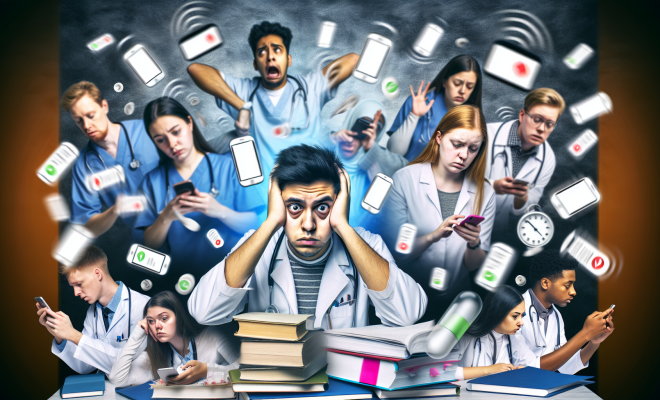
Phubbing, a term derived from the combination of “phone” and “snubbing,” describes the act of ignoring someone in favor of a mobile device. This behavior, while seemingly innocuous, can have damaging effects on interpersonal relationships and mental health. In social settings, when one person prioritizes their phone over engaging with others, it can lead to feelings of neglect and isolation in those being ignored.
The Brazilian study highlights how phubbing is not just a social faux pas but a significant contributor to mental health issues. By focusing on devices during crucial social interactions, medical students may inadvertently heighten their feelings of loneliness, anxiety, and depression.
Key Findings from the Study
The research findings are alarming and multifaceted:
- High Rates of Mental Health Issues: Over 40% of medical students reported moderate-to-severe symptoms of depression, anxiety, and stress.
- Phubbing Correlation: The frequency of phubbing was directly correlated with increased levels of depression and anxiety.
- Comparative Analysis: Medical students reported higher mental health issues compared to non-medical peers, suggesting that the rigors of medical education may play a significant role.
- Impact of Smartphone Use: Excessive use of smartphones during social interactions was identified as a primary factor in exacerbating mental health crises.
The Impact of Digital Distractions
Smartphones have transformed the way we communicate and interact, but their pervasive presence can also be detrimental. For medical students, whose schedules are often filled with lectures, clinical rotations, and study time, the temptation to check notifications can lead to a cycle of distraction and disconnection. The study’s findings suggest that this digital distraction not only impacts academic performance but also mental well-being.
In a profession that demands empathy and strong interpersonal skills, the ramifications of phubbing could be particularly severe. Future doctors who are unable to engage meaningfully with their peers and patients may face challenges in their professional relationships and, ultimately, their ability to provide quality care.
Phubbing and Mental Health: The Vicious Cycle
The relationship between phubbing and mental health is complex and cyclical. Students who experience anxiety and depression may be more likely to engage in phubbing as a coping mechanism, which in turn exacerbates their mental health issues. This vicious cycle can create a barrier to meaningful connections and support systems, further isolating individuals in distress.
Breaking the Cycle: Strategies for Improvement
In light of the study’s findings, it’s essential for medical schools and students themselves to adopt strategies that can mitigate the effects of phubbing and foster a healthier mental landscape:
- Mindfulness Training: Incorporating mindfulness practices into the curriculum can help students become more aware of their digital habits and the impact of their actions on social interactions.
- Digital Detox Initiatives: Encouraging designated phone-free times during study sessions and social gatherings can help reduce the prevalence of phubbing.
- Peer Support Programs: Creating peer mentoring systems can help students connect with one another, fostering a sense of community and support.
- Awareness Campaigns: Raising awareness about the negative impacts of phubbing can promote healthier communication habits among students.
The Broader Implications of the Study
The implications of this research extend beyond the walls of medical schools in Brazil. As mental health issues continue to rise globally, understanding the role of technology in our lives is critical. Phubbing is not limited to students but is a widespread behavior that affects various demographics, raising questions about the impact of our digital habits on society as a whole.
A Call to Action
As we grapple with the findings of this study, it is paramount that we address the underlying issues of mental health exacerbated by phubbing. Medical students must be equipped not only with clinical skills but also with tools for maintaining their mental wellness amid the demands of their training. Educational institutions, mental health professionals, and society must work collaboratively to create environments that prioritize mental health, reduce stigma, and promote healthy digital interactions.
Conclusion
The Brazilian study presents a stark reminder of the hidden costs of our digital lives. As phubbing emerges as a key factor in the mental health struggles of medical students, it challenges us to rethink our relationships with technology and each other. By addressing phubbing and its impact on mental health, we can take meaningful steps towards fostering a healthier future for both medical professionals and society at large.
In conclusion, understanding the correlation between phubbing and mental health is vital in recognizing how our digital habits shape our interactions and well-being. The findings serve as both a wake-up call and a guide for improvement, urging us to cultivate connections that enhance our lives rather than diminish them.