Split Custody Siblings: A Growing Concern for Divorcing Families
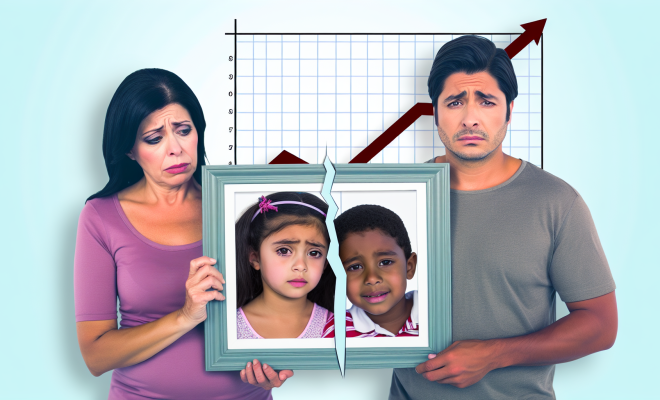
In the emotional landscape of divorce, one of the most troubling topics for parents is the possibility of split custody siblings. The thought of separating children from their siblings during such a tumultuous period can evoke deep feelings of anxiety and fear. Family courts, while primarily designed to protect the best interests of children, are often faced with tough decisions regarding custody arrangements that can profoundly impact young lives.
The Reluctance of Courts to Order Split Custody
Judges typically approach custody issues with a clear objective: to maintain stability for children. The emotional trauma that a divorce can inflict on a child is significant, and the prospect of separating siblings only adds to that burden. Courts are highly reluctant to order split custody arrangements, mainly because they recognize that siblings often serve as vital emotional support for each other during such a challenging time.
As such, family law experts emphasize that judges prioritize keeping siblings together. They believe that maintaining these important familial bonds helps foster a sense of security and continuity, which is essential as children navigate the changes brought about by their parents’ divorce.
When Might Courts Consider Separating Siblings?
While the prevailing sentiment in family law is to keep siblings together, there are extreme cases where courts may consider separating them. These situations often arise when significant age gaps exist between siblings, or when the parental environments differ dramatically and could pose risks to the children’s well-being.
- Significant Age Gaps: In cases where siblings are several years apart, a court might determine that their developmental needs differ greatly. For instance, a teenager may have vastly different emotional and social needs compared to a toddler.
- Conflicting Parental Environments: If the siblings are living in environments that exhibit stark differences in stability or safety, a court may prioritize the safety of one child over the desire to keep them together.
Even in these scenarios, judges will still extensively evaluate the situation. They often seek to ensure that the emotional and developmental needs of each child are being met adequately, rather than hastily deciding to separate siblings without consideration of the long-term consequences.
The Emotional Impact of Sibling Separation
The potential emotional impact of separating siblings during custody proceedings has led to numerous discussions among parents, legal experts, and mental health professionals. Research has shown that children who endure parental divorce often carry emotional scars that can last well into adulthood, and the trauma associated with sibling separation can exacerbate these issues.
Many parents have shared their personal stories online, highlighting how being split from a sibling created long-term mental health issues for their children. The emotional toll can manifest in various ways, including:
- Increased anxiety and depression
- Difficulty forming and maintaining relationships
- Low self-esteem and feelings of abandonment
- Behavioral issues and challenges with authority
Such discussions have sparked heated debates on social media platforms like TikTok and Reddit, where parents flock to share their fears and experiences regarding sibling separation. As divorce rates continue to rise, particularly as we approach 2026, these conversations are becoming even more relevant.
Celebrity Divorces and Public Perception
Recent high-profile divorces among celebrities have thrust the issue of sibling separation into the public eye. These cases often ignite discussions about the implications of custody decisions on children’s emotional health. Parents sharing their stories online often find support and solidarity from others who have faced similar dilemmas.
For instance, when a celebrity couple announces a split and details emerge about their custody arrangements, it can lead to widespread reactions. Many parents worry that if well-known figures are unable to maintain sibling relationships through divorce, they may be at risk of similar outcomes.
Social Media: A Platform for Fear and Advocacy
The rise of social media has amplified concerns about split custody siblings, allowing parents to voice their fears and seek advice from others in similar situations. Platforms like TikTok and Reddit serve as forums for parents to share their concerns over what they perceive to be a growing trend in family courts.
Online discussions often include:
- Personal anecdotes of sibling separations
- Advice on navigating family court processes
- Strategies for advocating for joint custody arrangements
As more parents turn to these platforms for support, it’s evident that the question of how family courts handle custody — particularly regarding split custody siblings — is resonating deeply with many. These conversations are not just about fear; they are also about advocacy for change in how custody arrangements are approached.
The Role of Mental Health Professionals
Mental health professionals play a crucial role in addressing the challenges children face during and after divorce. Therapists often emphasize the importance of sibling relationships and advocate for arrangements that keep siblings together whenever possible. Their insights can help shape custody decisions by providing courts with a clearer understanding of the emotional needs of children.
In therapy sessions, children can express their feelings about the divorce and any fears related to being separated from siblings. This therapeutic process can be vital in helping them process their emotions and adjust to new living arrangements. Many therapists recommend:
- Family therapy sessions to foster communication among family members
- Individual therapy for children to address their emotions
- Workshops for parents to better understand the emotional impacts of divorce
Legal Considerations and Advocacy for Joint Custody
Given the significant implications of custody decisions, it’s crucial for parents to be proactive in advocating for joint custody arrangements that keep siblings together. Engaging with a family law attorney who understands the nuances of custody cases can be invaluable. When parents can present a united front and demonstrate their commitment to co-parenting, it bolsters their case for maintaining sibling relationships.
Some strategies parents can employ include:
- Documenting the Relationship: Keeping a detailed record of the children’s interactions can help establish the importance of their bond.
- Co-parenting Courses: Participating in co-parenting classes may show the court a willingness to work together for the children’s best interests.
- Professional Evaluations: Engaging mental health experts to evaluate the sibling relationship can provide compelling testimony in court.
The Broader Implications of Parenting Plans
As divorce rates continue to rise, the implications of parenting plans and custody arrangements will remain a hot topic. Parents must stay informed about legal changes and advocate for policies that prioritize the emotional well-being of children, particularly regarding split custody siblings.
Education about the potential consequences of sibling separation will empower parents to make informed decisions and advocate for their children’s needs within the legal system.
Conclusion: A Call to Action for Parents
The emotional and psychological impacts of sibling separation during divorce cannot be overstated. Parents are encouraged to prioritize their children’s emotional well-being and advocate for custody arrangements that keep siblings together whenever possible. As discussions surrounding split custody siblings continue to grow, it’s crucial for families to stand united and seek out professional help and legal guidance to navigate this complex landscape.
In a world where family dynamics are constantly evolving, the importance of sibling relationships should not be overlooked. By fostering these bonds through thoughtful custody arrangements, parents can help their children heal and thrive in the aftermath of divorce.