This Spectacular Celestial Visitor Approaches the Solar System—Here’s What You Need to Know
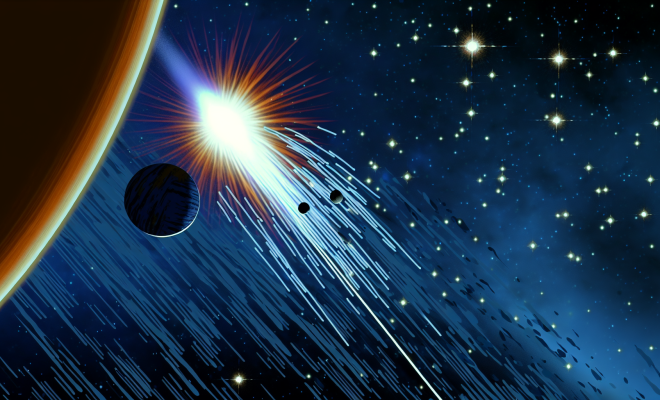
The cosmos is full of wonders, and recently, a captivating celestial event has captured the attention of stargazers around the world. A visitor approaches the solar system in the form of Comet C/2025 R3 PANSTARRS, a newly discovered comet that is now brightening our night skies and providing a once-in-a-lifetime opportunity for astronomers and enthusiasts alike. This comet, unlike the more regular visitors such as Halley’s Comet, is a striking reminder of the dynamic and ever-changing nature of our solar neighborhood.
What is Comet C/2025 R3 PANSTARRS?
Discovered in 2022, Comet C/2025 R3 PANSTARRS has quickly become one of the most discussed comets among astronomy communities and casual observers. As it approaches the inner solar system, it is expected to become visible to the naked eye for several weeks, particularly in the northern hemisphere. This phenomenon is significant not only because of its brightness but also due to its trajectory, which resembles that of interstellar objects.
A Cosmic Visitor
The term “cosmic visitor” is fitting for Comet C/2025 R3 PANSTARRS, as its path has generated excitement reminiscent of a comet from beyond our solar system. Unlike Halley’s Comet, which has a periodic cycle of 72-80 years, the trajectory of C/2025 R3 PANSTARRS indicates it might not return for many millennia, making this encounter a rare event.
Stargazing Events and Viewer Engagement
The approach of this comet has ignited global interest in stargazing. Astronomy clubs, observatories, and individuals are hosting events dedicated to viewing the comet. Social media platforms, particularly TikTok and X (formerly Twitter), are flooded with content related to this cosmic encounter. Users are sharing time-lapse videos of the comet, engaging in doomsday speculation, and even crafting humorous ‘end times’ jokes, all of which contribute to a viral phenomenon.
- Time-Lapse Videos: Many amateur astronomers and enthusiasts have taken to filming the comet’s progress, providing stunning visualizations of its movement through the night sky.
- Doomsday Speculation: With any significant celestial event, there is often a surge in public speculation about potential impacts or catastrophic events, which has led to a plethora of discussions about what C/2025 R3 PANSTARRS could mean for Earth.
- End Times Jokes: Humor has always been a way for people to cope with the unknown, and the internet has not disappointed, with jokes about impending doom circulating widely.
NASA’s Involvement
NASA has also taken an active role in monitoring Comet C/2025 R3 PANSTARRS. Experts from the agency are tracking its trajectory to better understand its path and predict when it will reach peak brightness. This involvement not only aids in scientific understanding but also helps ensure public safety, as enhanced monitoring can clarify any potential risks associated with the comet.
The Thrill of a Once-in-a-Lifetime Event
As the comet draws nearer, anticipation builds. The excitement surrounding its visibility has led to increased interest in astronomy as a hobby, with many individuals downloading stargazing apps and joining local astronomy clubs to participate in the cosmic spectacle. The allure of witnessing a celestial visitor that approaches the solar system is an experience that many enthusiasts do not want to miss.
Understanding the Science Behind Comets
Comets like C/2025 R3 PANSTARRS are fascinating objects that can provide insight into the early solar system. Comprised mainly of ice, dust, and rocky material, comets are often referred to as “dirty snowballs.” They originate from the outer regions of the solar system, typically from the Kuiper Belt or the Oort Cloud, and their orbits can bring them close to the Sun, where they develop tails that can be visible from Earth.
How to Observe Comet C/2025 R3 PANSTARRS
For those eager to catch a glimpse of this celestial marvel, here are some tips for successful comet watching:
- Find a Dark Location: Light pollution can hinder visibility, so seek out a location away from city lights.
- Use Stargazing Apps: Several apps can help locate the comet’s position in the sky, making it easier to find.
- Bring Binoculars or a Telescope: While the comet may be visible to the naked eye, binoculars or a telescope will enhance the viewing experience.
- Be Patient: Depending on weather conditions and the comet’s brightness, it may take time to locate it in the sky.
Public Interest and Online Engagement
The approach of Comet C/2025 R3 PANSTARRS has not only revitalized interest in astronomy but has also highlighted the power of social media in disseminating information and connecting people with a shared passion. The viral nature of content related to the comet has made it a trending topic, driving massive searches and discussions online. This newfound enthusiasm can lead to a greater public appreciation for space and science, encouraging individuals to explore the universe further.
The Future of Comet Watching
As Comet C/2025 R3 PANSTARRS approaches its peak visibility, the experience is a reminder of the thrill of astronomical events. The excitement of a visitor approaching the solar system not only draws attention to the beauty of our universe but also emphasizes the importance of scientific inquiry and public engagement in space exploration.
Potential for New Discoveries
Every comet that approaches the inner solar system carries with it the potential for new discoveries. Scientists study the composition and behavior of these celestial objects to learn more about the history of our solar system. Comets can offer invaluable clues about the conditions present during its formation and the processes that have shaped planetary bodies.
Conclusion
The journey of Comet C/2025 R3 PANSTARRS is an exciting chapter in our ongoing exploration of the universe. As this visitor approaches the solar system, it serves as a catalyst for scientific curiosity, public engagement, and a shared sense of wonder about the cosmos. With its approach, we are reminded of our small place in the universe and the incredible phenomena that exist beyond our planet.
As the comet continues its journey and becomes increasingly visible in the night sky, the opportunity to observe and learn from it will inspire not just astronomers, but anyone who looks up and gazes at the stars. The magic of the universe is within our reach, and events like this remind us to keep looking up.