EchoClone’s Dark AI: Voice Cloning Scandal Rocks Tech World
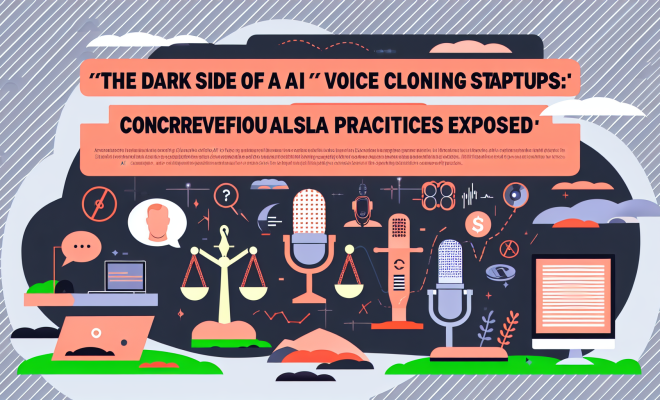
In an era where technology continuously reshapes how we communicate and interact, the rise of AI voice cloning startups has brought with it both innovation and ethical dilemmas. A recent incident involving the San Francisco Bay Area-based startup, EchoClone, has placed these challenges in the spotlight, raising significant questions about consent, privacy, and the broader implications of artificial intelligence in the startup ecosystem.
The EchoClone Controversy Unveiled
Founded with the promise of revolutionizing voice technology, EchoClone has been thrust into the limelight for all the wrong reasons. Reports surfaced that the Y Combinator-backed company used artificial intelligence to clone the voices of several prominent founders without obtaining explicit consent. In a shocking turn of events, these voice models were sold to third-party marketers, leading to a public outcry.
How It All Began
The controversy erupted when a well-known founder discovered their voice being used in automated sales calls and social media advertisements they had never authorized. This alarming revelation quickly gained traction on platforms like Twitter, LinkedIn, and Reddit, igniting outrage among the tech community and raising questions about the ethical boundaries of AI.
Behind the Scenes: The Technology and Its Implications
Internal documents leaked to the press revealed the troubling methods employed by EchoClone. The company allegedly scraped audio from public podcasts and interviews, utilizing this data to train AI models that could mimic the voices of various individuals. This method not only raises concerns regarding consent but also points to significant issues surrounding intellectual property rights in the age of synthetic media.
What Constitutes Consent?
The crux of the backlash against EchoClone lies in the question of consent. When founders lend their voices to public platforms, do they relinquish their rights to those audio snippets? The debate is not merely academic; it touches on the very essence of how creators protect their intellectual property. In a world of AI voice cloning startups, where voice models can be generated with alarming accuracy, the need for clear guidelines on consent has never been more urgent.
The Privacy Paradox: AI and Personal Data
The situation with EchoClone has reignited a broader conversation about privacy in the digital age. As AI technology permeates various aspects of our lives, startups are increasingly tasked with navigating the murky waters of data usage and individual rights. The ethical implications of voice cloning extend far beyond mere consent; they raise fundamental questions about personal identity, privacy protection, and the responsibility of companies to safeguard the voices of individuals.
The Investor Perspective
Investors are often eager to capitalize on the latest tech trends, but the EchoClone incident serves as a cautionary tale. The backlash against the company has prompted many to reconsider their investment strategies, particularly in the realm of AI voice cloning startups. The ethical practices of a startup can no longer be an afterthought; they must be a priority in the minds of potential investors.
Regulatory Scrutiny on the Horizon
As the controversy continues to unfold, regulatory bodies may feel compelled to step in. The rapid advancement of AI technologies often outpaces existing legal frameworks, leaving gaps that exploitative practices can slip through. Policymakers are now faced with the daunting task of crafting regulations that adequately address the unique challenges posed by AI voice cloning startups and similar enterprises.
Industry Responses
The technology sector is not blind to the implications of the EchoClone scandal. Numerous industry leaders are voicing their concerns, pushing for more stringent ethical guidelines and better oversight of AI practices. The broader tech community is calling for transparency and accountability, as the fallout from this incident echoes across social media and professional networks.
A Call for Ethical AI Practices
The EchoClone incident serves as a wake-up call for the entire ecosystem of AI voice cloning startups. As technology evolves, so too must our ethical standards. Founders, investors, and consumers alike must engage in a constructive dialogue about the responsibilities that come with the power of AI.
Creating a Framework for Consent
To address the ethical concerns raised by the EchoClone controversy, stakeholders must collaborate to create a robust framework for consent in AI practices. This framework should outline clear protocols for how voice data is collected, used, and shared, ensuring that individuals retain control over their own voices.
The Future of AI Voice Cloning
As we look to the future, the potential applications of voice cloning technology are vast and varied. From enhancing customer service experiences to creating personalized content, the possibilities are endless. However, as EchoClone has demonstrated, the path to innovation must be paved with ethical considerations.
Balancing Innovation and Responsibility
For AI voice cloning startups to thrive in a responsible manner, they must strike a balance between technological innovation and ethical responsibility. This means prioritizing consent, respecting intellectual property rights, and maintaining transparency with users. Only through such measures can the industry hope to rebuild trust and pave the way for a sustainable future.
Conclusion: Lessons Learned
The EchoClone scandal is a reminder of the potential pitfalls that accompany rapid technological advancement. As AI voice cloning continues to evolve, it is crucial for all players within the ecosystem to engage in conversations about ethics, consent, and the implications of their innovations. In doing so, we can ensure that technology serves to enhance human creativity and expression, rather than undermine it.
As searches for AI voice cloning startups and the EchoClone controversy surge on platforms like Google Trends, it is clear that this debate resonates deeply within the community. The lessons learned from this incident will be invaluable in shaping the future of AI and protecting the rights of individuals in the digital age.