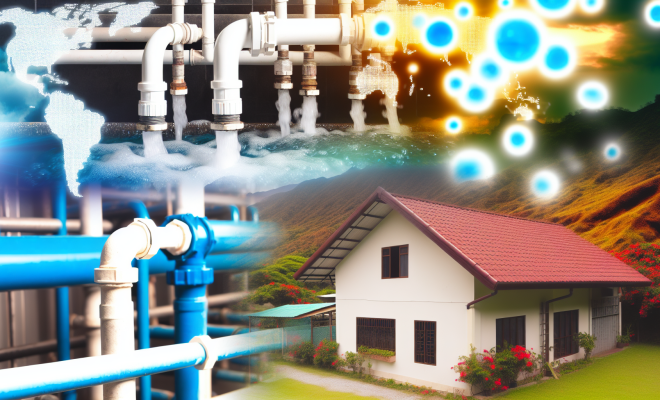
How Household Water Treatment Methods Are Unleashing Dangerous Byproducts on Millions
The Alarming Connection Between Water Treatment and Toxic Byproducts
A recent peer-reviewed study has unveiled a troubling reality about household water treatment methods, specifically concerning the effects of water softening chemicals. When these chemicals are combined with chlorine, they can form dangerous compounds that pose significant health risks. This revelation affects an estimated 40 million households globally and raises urgent questions about our current water treatment practices.
Understanding the Risks of Water Softening Chemicals
Water softening is a common practice employed to reduce the hardness of water, which is often caused by the presence of calcium and magnesium ions. Hard water can lead to mineral buildup in pipes and appliances, reducing their efficiency and lifespan. To combat this, many households rely on water softeners that utilize chemicals such as sodium carbonate or potassium chloride.
However, this new study highlights a severe drawback: when these softening agents interact with chlorine—a chemical frequently used in water treatment to kill pathogens—they can create toxic byproducts. This chemical reaction can particularly amplify the risks associated with drinking water quality, raising alarm bells among environmental scientists and health officials.
Documented Cases of Contamination and Health Risks
The research team behind this study meticulously documented cases in three major cities where improper water treatment practices led to contamination events. These incidents resulted in temporary health advisories, widespread panic among residents, and significant public concern over the safety of their drinking water.
In one notable case, residents in a metropolitan area experienced gastrointestinal issues, which were linked to the presence of harmful water treatment byproducts. Officials issued advisories, urging residents to refrain from consuming tap water until further notice. Such incidents not only compromise public health but also erode trust in municipal water authorities.
The Call for Regulatory Review
Given the findings of this study, environmental scientists are urging immediate regulatory review of current water treatment standards. Many of these standards have remained unchanged for over 15 years, despite significant advances in scientific understanding of water chemistry and public health risks.
The regulatory landscape surrounding water treatment is crucial for ensuring safe drinking water. Authorities must reassess the safety of water softening chemicals and their interactions with other treatment methods, especially chlorine, to safeguard public health.
Social Media Response: A Viral Concern
The study and its implications have exploded across social media platforms, driving unprecedented engagement among homeowners. Many individuals have taken to social media to share their concerns, frantically checking their water systems, and demanding accountability from their local water authorities.
This surge in public interest reflects a broader trend of increased awareness regarding water quality issues. With information readily accessible online, people are more informed than ever about the potential hazards associated with their drinking water.
Public Health Implications and Safety Concerns
The presence of water treatment byproducts not only poses immediate health risks but also raises long-term safety concerns. Studies have linked certain byproducts to various health conditions, including an increased risk of cancer and reproductive issues. As these risks become more widely known, the need for safer water treatment methods becomes paramount.
Furthermore, the psychological impact of health advisories cannot be understated. The knowledge that one’s drinking water may be contaminated can lead to increased anxiety and stress, prompting individuals to seek alternative sources of water, such as bottled or filtered options.
Exploring Alternatives to Traditional Water Treatment Methods
In light of the emerging evidence surrounding water treatment byproducts, many are exploring alternative methods for ensuring safe drinking water. These alternatives range from improved filtration systems to the use of more sustainable chemicals in water treatment processes.
- Reverse Osmosis: This filtration method effectively removes a wide range of contaminants, including water treatment byproducts, providing an extra layer of safety for consumers.
- Activated Carbon Filters: These filters can help reduce chlorine levels and, consequently, the formation of harmful byproducts during water treatment.
- Natural Water Treatment Methods: Techniques such as rainwater harvesting and natural filtration can offer sustainable alternatives to conventional methods.
The Role of Municipal Water Authorities
Municipal water authorities play a crucial role in maintaining water quality and ensuring the safety of drinking water for the public. With the new findings, these authorities must take proactive steps to review and update their water treatment processes.
Transparency is essential in maintaining public trust. Municipalities should provide regular updates on water quality, including any potential risks associated with water treatment byproducts. Engaging the community in discussions about water treatment practices can foster a sense of responsibility and encourage informed decision-making among residents.
Conclusion: The Need for Change
The recent study highlighting the dangers of water treatment byproducts serves as a wake-up call for both consumers and water authorities alike. With approximately 40 million households potentially affected, the implications of this research are far-reaching.
As awareness grows, so does the need for regulatory review and reform. By prioritizing the safety of drinking water and exploring alternative treatment methods, we can work towards a healthier future for all.
Ultimately, addressing the issue of water treatment byproducts is not just a matter of public health—it’s a matter of environmental responsibility and community accountability. The time for action is now.