7 Alarming Ways Social Media Is Impacting Children’s Mental Health
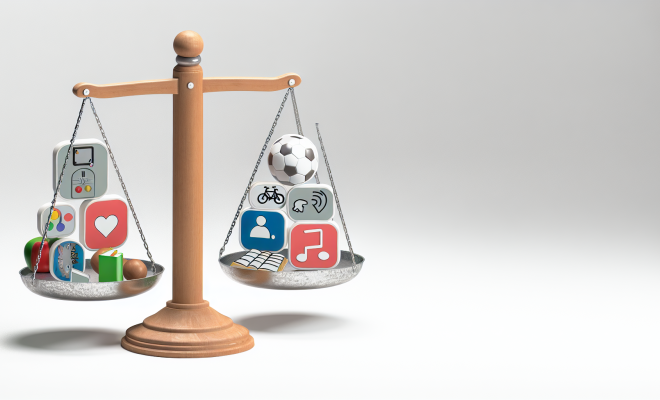
In recent years, the conversation surrounding the social media impact on children’s mental health has gained unprecedented momentum, particularly in light of ongoing legal battles involving tech giants like Meta and Google. A viral poll circulating recently asked the public a simple yet profound question: Do you believe social media has a major impact on children’s mental health? The overwhelming response indicates a collective concern about the potential harms that social media platforms may inflict on the youth of today.
The Context of the Conversation
The lawsuit against Meta and Google alleges that these companies have knowingly contributed to a decline in the mental well-being of children and teenagers. As more information emerges, the implications of this legal action have ignited discussions across social media platforms, tapping into parental fears and public outrage. Many parents worry about the rising anxiety levels and depressive symptoms among their children, attributing these issues, at least in part, to unchecked social media usage.
Public Sentiment and Personal Stories
As the conversation around the social media impact on children’s mental health unfolds, personal stories have emerged, showcasing the experiences of families grappling with these issues. Many parents report noticing significant changes in their children’s behavior, mood, and self-esteem, coinciding with their social media use. With early votes in the aforementioned poll indicating strong consensus about the negative effects of social media, it’s clear that this issue resonates deeply within the community.
- Increased Anxiety: Many children express feelings of anxiety related to social media interactions, such as fear of missing out (FOMO) and the pressure to maintain a certain online image.
- Body Image Issues: Social media often promotes unrealistic beauty standards, leading to dissatisfaction with one’s body image and increasing the risk of eating disorders.
- Cyberbullying: The anonymity of online interactions can exacerbate bullying, leading to significant emotional distress for those targeted.
- Isolation: Ironically, while social media is designed to connect people, it can also lead to feelings of isolation and loneliness, particularly when children compare their lives to the curated experiences of others.
Expert Opinions and Research Findings
The escalating concern regarding the social media impact on children’s mental health has prompted experts to weigh in. Child psychologists and mental health professionals express alarm over the growing evidence linking social media usage to mental health complications among youth. Research studies have demonstrated correlations between increased time spent on social media and heightened levels of anxiety and depression in adolescents.
For instance, a 2021 study published in the journal JAMA Psychiatry found that adolescents who spent more than three hours a day on social media were at a significantly higher risk for mental health issues, including depression and anxiety. This alarming trend underscores the need for parents and guardians to monitor and guide their children’s social media usage actively.
The Role of Parents and Guardians
As the concerns around the social media impact on children’s mental health continue to mount, the role of parents becomes increasingly vital. Engaging in open conversations about social media, its benefits, and its risks can help children navigate this complex digital landscape. Here are some strategies that parents can adopt:
- Establish Boundaries: Setting clear limits on the amount of time children can spend on social media helps mitigate potential negative effects.
- Encourage Offline Activities: Fostering hobbies and interests that do not involve screens can help children develop a well-rounded lifestyle.
- Education about Online Safety: Teaching children about the importance of privacy and security on social media can empower them to navigate these platforms responsibly.
The Law and Accountability
The ongoing lawsuit against Meta and Google raises important questions about accountability in the tech industry. Advocates argue that social media companies must take more responsibility for the content and experiences they provide, especially for vulnerable populations like children. As the case progresses, it will be crucial to monitor how these companies respond and what changes, if any, are made to enhance the safety of their platforms.
Potential Outcomes of the Lawsuit
The outcome of the lawsuit could set significant precedents for the tech industry and its relationship with mental health. If the courts find in favor of the plaintiffs, it may lead to:
- Increased regulations surrounding social media use among minors.
- More stringent advertising guidelines targeting children.
- Greater emphasis on mental health resources provided by social media platforms.
The Need for Continued Dialogue
The discourse surrounding the social media impact on children’s mental health is not just limited to lawsuits and polls; it involves a wider societal reflection on how technology intersects with our lives. Schools, communities, and families must collaborate to create environments where children can thrive mentally and emotionally.
In this age of technology, it is essential to cultivate resilience and coping skills among children, helping them to navigate challenges posed by social media effectively. Providing children with the tools and knowledge to manage their online presence can empower them and promote healthier interactions in the digital world.
Resources for Parents and Educators
As conversations about the social media impact on children’s mental health continue, several resources can assist parents and educators in promoting healthy habits:
- National Institute of Mental Health: A comprehensive resource for understanding mental health issues and finding appropriate services.
- Common Sense Media: Offers guidance on media and technology use for children and families.
- Child Mind Institute: Provides resources and articles aimed at improving children’s mental health.
Conclusion: A Collective Responsibility
The ongoing discussions regarding the social media impact on children’s mental health underscore the need for collective action. As parents, educators, and communities, we must advocate for the mental well-being of our children in an increasingly connected world. While social media has its benefits, it is crucial to remain vigilant about its potential pitfalls. By fostering open communication, establishing boundaries, and holding tech companies accountable, we can help shape a healthier digital landscape for future generations.