Is Google Losing Its Grip? YouTube Stations & Streaming Wars
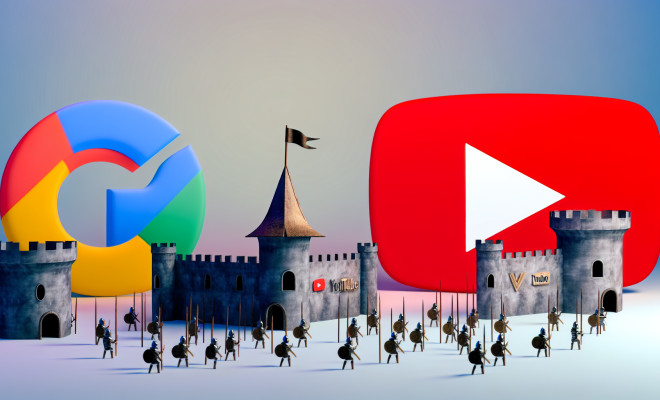
In the ever-evolving landscape of digital media, few companies hold as much sway as Google. With its unparalleled search dominance and a trove of data that enables targeted advertising, it seems almost invincible. However, recent discussions among analysts suggest that Google may not be as secure as it appears. In a captivating episode of the eMarketer podcast hosted by Marcus Johnson, analysts Marisa Jones and Drew Spink explore three pivotal questions regarding Google’s future — especially focusing on the impacts of YouTube’s new offering: YouTube stations.
1. Is Google’s Ad Revenue Eroding?
Despite being a titan in the digital advertising realm, there are whispers that Google’s ad revenue might be experiencing a decline. As more consumers cut the cord and migrate toward streaming services, traditional ad models face unprecedented challenges. The podcast delves into how ad dollars are transitioning from Google to platforms that cater more directly to the evolving preferences of audiences, specifically within the realm of streaming media.
In recent years, platforms like TikTok and Netflix have surged in popularity, drawing viewers away from Google’s ecosystem. Analysts argue that this shift may be chipping away at Google’s once unassailable lead in advertising revenue. The dynamics have changed; viewers are now opting for personalized content rather than relying on traditional search-based ads. As a result, Google’s advertising model might need to adapt to stay relevant.
YouTube Stations: A Bold Move in the Streaming Landscape
Amid these turbulent waters, YouTube has introduced YouTube stations — a new feature that aims to capture the attention of traditional television audiences. This initiative allows content creators to produce structured, TV-style channels, providing a cohesive viewing experience akin to traditional broadcasting. But will this be enough to reclaim lost ad revenue?
As discussed in the podcast, YouTube stations represents a significant pivot for the platform. The traditional cable model has been faltering, and YouTube’s entry into the realm of linear TV could be a game-changer. Analysts speculate whether this strategy will resonate with cord-cutters who are increasingly seeking out alternatives to conventional television.
The Streaming Wars: Who Will Win?
The introduction of YouTube stations places Google at the intersection of two powerful forces: the traditional television market and the growing streaming revolution. While Google has established itself as a leader in the digital space, the competition is fierce. Streaming services like Hulu, Disney+, and Amazon Prime Video are not only acquiring subscribers at a rapid pace but also reshaping viewer expectations.
- Content Variety: Viewers now demand a rich library of content that is both diverse and engaging. The success of platforms like Netflix is primarily due to their ability to offer a vast array of shows and films.
- Original Programming: Channels that produce original content have gained significant traction, prompting companies to invest heavily to attract and retain subscribers.
- Targeted Advertising: As audiences become more fragmented, the need for tailored advertising solutions becomes increasingly crucial. Google’s advanced targeting capabilities could become a key asset if leveraged correctly.
YouTube Stations as the Killer App
Could YouTube stations be the killer app that helps Google conquer the living room? The analysts on the podcast believe that the potential is there, but it hinges on a few critical factors. First, YouTube must successfully market YouTube stations to a demographic that has become accustomed to on-demand content. This transition requires a shift in viewer behavior from passive consumption to a more interactive experience.
Furthermore, the podcast highlights the importance of content creators in this ecosystem. By empowering creators to produce engaging content within YouTube stations, Google can tap into the loyalty and following that many influencers already possess. This could lead to a new breed of programming that blends traditional television with the authenticity of social media.
Waymo: An Undervalued Powerhouse?
Another area of speculation discussed in the eMarketer podcast centers around Waymo, Google’s self-driving car subsidiary. Despite its potential to revolutionize transportation, there are concerns about whether Waymo’s technology is being undervalued in the broader market context.
Waymo has made significant strides in autonomous driving technology, but it faces stiff competition from traditional automotive giants and new entrants in the tech space. Analysts argue that if Google can successfully integrate Waymo’s capabilities with its advertising platform, it could unlock an entirely new revenue stream that capitalizes on mobility.
The Future of Google: Opportunities and Challenges
As Google navigates these turbulent waters, it faces a dual challenge: fortifying its advertising empire while simultaneously venturing into new domains like YouTube stations and autonomous driving. The podcast suggests that the company must strategically position itself to harness emerging opportunities while addressing vulnerabilities that may threaten its dominance.
- Embracing Innovation: Continual investment in new technologies will be crucial for Google to stay ahead of competitors.
- Adapting to Changing Preferences: Recognizing and responding to viewer preferences in content consumption is vital for the success of initiatives like YouTube stations.
- Strategic Partnerships: Collaborating with other media companies and tech firms may provide Google with the leverage it needs to enhance its offerings.
Public Sentiment and Emotional Investment
The podcast also highlights an interesting phenomenon: as discussions about Google’s vulnerabilities gain traction, public sentiment shifts. Social media platforms like Twitter and LinkedIn are abuzz with debates on whether Google is indeed losing its edge. The emotional investment that audiences have in this narrative fuels a heightened interest, particularly around YouTube stations.
As more viewers express their frustrations with traditional cable and seek out alternative content avenues, Google’s potential to capture and retain this audience grows. The buzz surrounding YouTube stations is not just about the feature itself; it represents a cultural shift in how people consume media.
The Impact on Content Creators
For content creators, YouTube stations provide an opportunity to showcase their work in a new format, potentially reaching wider audiences. By curating content in a way that aligns with television viewing habits, creators can attract viewers who might not typically engage with YouTube’s traditional offerings.
Moreover, this initiative opens doors for monetization through advertising, which could prove lucrative for both creators and Google. As content creators adapt to the YouTube stations framework, they may also innovate their storytelling techniques, leading to a new genre of content that captivates audiences.
Conclusion: The Road Ahead for Google and YouTube
The eMarketer podcast raises critical questions about Google’s future in the face of emerging challenges and opportunities. As YouTube stations take center stage, the platform’s ability to adapt to shifting viewer preferences will dictate its success. Furthermore, the potential of Waymo to contribute to Google’s bottom line remains a tantalizing prospect.
In a world where digital media consumption habits are rapidly evolving, staying ahead of the curve is imperative. Google’s strategy must pivot toward not only maintaining its search dominance but also embracing innovative solutions like YouTube stations to retain relevance in the entertainment landscape.
Ultimately, whether Google is ‘losing’ or strategically repositioning itself remains to be seen. As audiences continue to explore their options in the face of traditional media’s decline, the conversation around YouTube stations will undoubtedly continue to evolve, making it a focal point in the ongoing narrative of Big Tech drama.