Why U.S. Productivity Growth Is Stalling Amid AI Hype in 2026
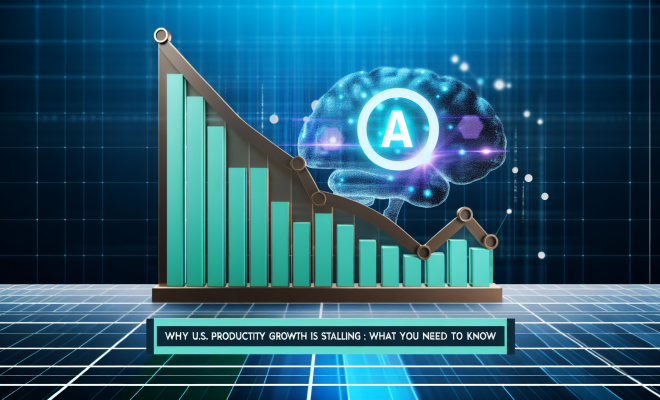
In the ever-evolving landscape of technology and economics, the promises of artificial intelligence (AI) have captivated the imagination of many. With predictions of revolutionary impacts on productivity and economic growth, the expectation was that AI would dramatically elevate the efficiency and output of industries across the board. However, recent data reveals a contrasting reality: U.S. productivity growth has plummeted, leading to serious questions about the actual impact of AI on our economy.
The Current State of U.S. Productivity Growth
As of the first quarter of 2026, productivity growth in the United States has slowed to a mere 1.2% year-over-year increase. This figure starkly contrasts with earlier projections, which anticipated growth rates exceeding 3%. Such a downturn has led many to reassess the narrative surrounding the transformative capabilities of AI, and what this means for the future of industries that had pinned their hopes on technology.
Understanding the Drop: Economists Weigh In
Economists attribute the slowdown in productivity growth largely to implementation lags in AI adoption. Despite significant investments in AI technologies, many companies face challenges integrating these tools into their existing workflows. The manufacturing and services sectors, in particular, are grappling with the complexities of adaptation.
- Integration Costs: Deploying AI requires substantial financial resources, not only for the technology itself but also for the necessary infrastructure and training. Many companies are finding these initial costs prohibitive.
- Workforce Reskilling: The introduction of AI often necessitates a shift in skills among the workforce. Organizations must invest time and money in reskilling employees, which can delay the realization of any productivity benefits.
- Unforeseen Challenges: Integrating AI into workflows is not simply a plug-and-play situation. Companies are encountering various unforeseen technical and operational challenges that hinder rapid adoption.
The AI Bubble: Are We Witnessing an Overhyped Frenzy?
The stark contrast between the projected AI impact and the actual productivity growth has led to concerns about an AI bubble. Social media platforms have exploded with discussions among tech enthusiasts and investors, sparking heated debates about the sustainability of the AI boom. As shares in AI-related companies fluctuate, the fear of missing out (FOMO) on potential gains has resulted in billions of views and memes circulating online.
Critics argue that the excitement surrounding AI has created an environment ripe for speculation, leading to inflated expectations. The recent productivity data serves as a reminder that technological advancements do not always correlate directly with immediate economic outcomes. As the hype around AI continues, it raises the question: are we setting ourselves up for disappointment?
Case Studies: Industries Struggling with AI Implementation
To put the productivity growth AI impact into perspective, we can examine several sectors that are currently experiencing challenges in AI implementation.
Manufacturing Sector
The manufacturing industry has long been a target for AI transformation, with promises of enhanced production efficiency through automation and data analytics. However, many manufacturers are struggling to integrate AI solutions effectively. Common roadblocks include:
- Legacy Systems: Many manufacturers rely on outdated machinery and software, making it difficult to incorporate AI.
- Supply Chain Issues: The pandemic has exacerbated existing supply chain disruptions, complicating the implementation of new technologies.
- Resistance to Change: Workers and management alike may resist the introduction of AI, fearing job displacement or a steep learning curve.
Service Industry
Similarly, sectors like customer service and hospitality have invested heavily in AI, but productivity gains have not materialized as expected. Key issues include:
- Personal Touch: Customers often prefer human interaction over AI-driven solutions, leading to mixed results.
- Training Requirements: Staff may require extensive training to work alongside AI systems, slowing down initial productivity.
- Data Privacy Concerns: Issues surrounding data security can inhibit the full adoption of AI solutions.
Future Predictions: Can AI Still Deliver?
Despite the current slowdown in productivity growth, many experts believe that AI can still play a pivotal role in boosting economic performance. The key lies in overcoming the challenges highlighted earlier. Here are some factors that could drive future AI success:
- Long-term Investments: Companies that commit to a phased approach to AI are more likely to see sustained productivity gains.
- Collaboration with Tech Providers: Partnering with AI firms can smooth the integration process and lead to more innovative solutions.
- Focus on Workforce Development: Reskilling programs that prioritize employee engagement and adaptation can facilitate smoother transitions.
The Importance of Realistic Expectations
As the narrative around AI evolves, it is crucial for stakeholders—whether they be investors, tech enthusiasts, or company executives—to manage their expectations. The journey toward integrating AI into business operations is often fraught with challenges, and understanding this can prevent disappointment and foster a more sustainable approach to technological change.
Conclusion: Navigating the AI Landscape
The current situation regarding productivity growth in the U.S. highlights the complexities involved in the AI adoption journey. While expectations around AI’s impact have been high, the reality is that many companies are still grappling with the foundational elements of integration.
As we move forward, it is imperative to strike a balance between embracing innovation and preparing for the challenges that come with it. By doing so, we can harness the true potential of AI to drive productivity growth—not just in the short term but as a cornerstone of economic advancement in the years to come.
In conclusion, the productivity growth AI impact may not have unfolded as anticipated in the first quarter of 2026, but the future remains bright for those willing to navigate the complexities of implementation with foresight and determination.