The AI Revolution in Advertising: How Automation is Reshaping Marketing for All Businesses
The Rise of AI in Marketing
The advent of artificial intelligence (AI) has ushered in a transformative era across various sectors, with marketing standing out as a particularly vibrant beneficiary of this technological wave. As AI systems continue to evolve, they are fundamentally changing the way businesses approach advertising, enabling unprecedented levels of automation and efficiency.
What is Driving the Boom?
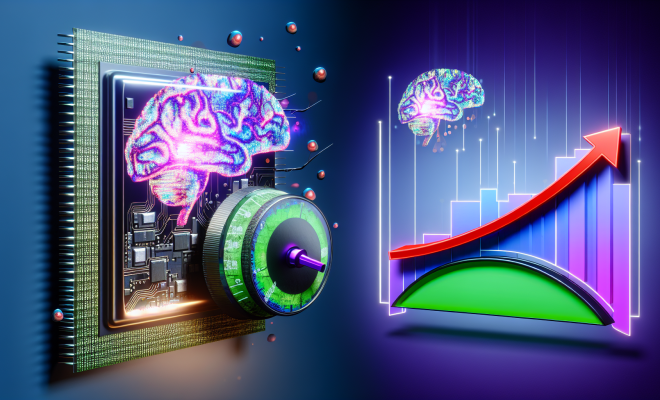
The advertising industry is witnessing a remarkable surge, with sales projected to increase by an astounding 60 percent, reaching an estimated $56 billion in the current year. This growth can be attributed primarily to the integration of AI-powered tools that allow companies to streamline their advertising processes, making them more accessible and effective.
Breaking Down the AI Advantage
- Automated Ad Creation: AI technologies are capable of generating tailored advertisements based on data analytics, enabling marketers to produce relevant ads quickly and efficiently.
- Audience Targeting: Advanced algorithms analyze consumer behavior, ensuring that advertisements reach the right audience at the right time, significantly improving conversion rates.
- Bidding for Advertising Space: AI optimizes bidding strategies in real-time, allowing businesses to maximize their advertising budgets by securing placements that yield the highest returns.
Democratization of Advertising Tools
Historically, sophisticated advertising tools were the domain of large enterprises with substantial marketing budgets. However, the introduction of AI in marketing is democratizing access to these powerful resources, enabling small and medium-sized enterprises (SMEs) to compete on a more level playing field.
How SMEs are Leveraging AI
With AI-driven marketing automation, SMEs can now harness the same advanced strategies that were once exclusive to larger corporations. This includes:
- Cost-Effective Solutions: Automated systems reduce the need for extensive manpower, allowing smaller businesses to allocate resources more effectively.
- Data-Driven Insights: Access to real-time analytics enables SMEs to understand consumer preferences better and adjust their strategies accordingly.
- Enhanced Creativity: Automation frees up creative teams to focus on strategy and innovation rather than repetitive tasks, leading to more engaging advertising content.
Challenges Ahead
Despite the immense potential of AI in marketing, challenges remain. Many businesses, especially smaller ones, may struggle with the initial learning curve associated with adopting these advanced technologies. Furthermore, as AI systems become more common, the competition to stand out in a crowded marketplace will intensify.
Addressing Concerns
To mitigate these challenges, companies must invest in training and development to ensure that their teams can effectively utilize AI tools. Additionally, maintaining a focus on ethical advertising practices and consumer privacy will be paramount in fostering trust with audiences.
The Future of Advertising
As we look ahead, the role of AI in advertising is only expected to grow, with continuous advancements in technology paving the way for even more innovative solutions. Businesses that embrace these changes will not only enhance their marketing strategies but also improve their overall competitiveness in the marketplace.
Conclusion
The integration of AI into advertising is reshaping the landscape of marketing. With the ability to automate ad creation, enhance audience targeting, and optimize bidding processes, AI is empowering businesses of all sizes to thrive in an increasingly digital world. As companies navigate this new terrain, those who harness the power of AI will undoubtedly find themselves at the forefront of the advertising revolution.