Microsegmentation Challenges: 90% of Critical Systems Unprotected
Introduction
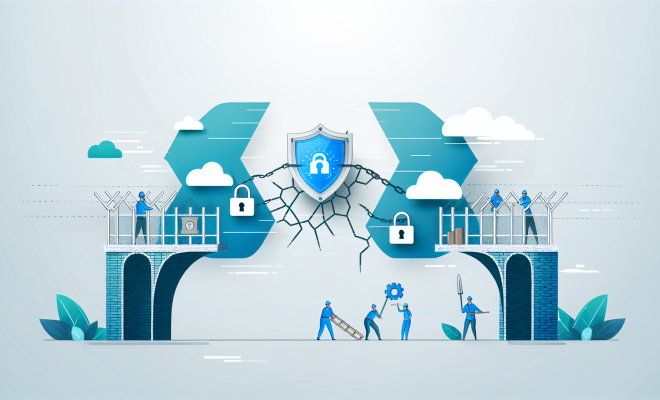
The cybersecurity landscape is evolving rapidly, and organizations are increasingly adopting advanced strategies to protect their critical systems. A recent survey by Omdia, commissioned by Elisity, reveals a strong consensus among cybersecurity decision-makers in the healthcare and manufacturing sectors regarding the benefits of microsegmentation. With 99% of respondents supporting or actively implementing this strategy, the emphasis on microsegmentation highlights its perceived importance in safeguarding sensitive environments. However, the survey also uncovers a troubling reality: over 90% of these organizations are failing to protect a significant portion of their critical systems, raising questions about the effectiveness of their current cybersecurity measures.
The Survey Overview
The survey conducted by Omdia surveyed 352 leaders in the cybersecurity field, primarily from healthcare and manufacturing sectors. This demographic was chosen due to the high stakes involved in protecting sensitive data and critical infrastructure. The findings paint a picture of an industry that recognizes the importance of microsegmentation but struggles with its implementation.
Key Findings
- Support for Microsegmentation: An overwhelming 99% of cybersecurity decision-makers endorse microsegmentation, indicating a strong belief in its potential to enhance security.
- Implementation Challenges: Despite this support, over 90% of respondents reported that they have protected fewer than 80% of their critical systems.
- Lateral Movement Attacks: Nearly half of the respondents experienced lateral movement attacks within the past year, underscoring a significant vulnerability in their cybersecurity frameworks.
- Top Initiative: 57% of respondents ranked microsegmentation as their top initiative to counter lateral movement threats.
- Zero Trust Adoption: The survey highlighted a gap in zero trust adoption, with microsegmentation deployed in only 24% of organizations, despite 68% pursuing it as part of their zero trust strategy.
- Regulatory Compliance: 60% of the surveyed leaders are integrating microsegmentation to meet regulatory compliance requirements.
Understanding Microsegmentation
Microsegmentation is a security technique that divides a network into smaller, isolated segments, allowing organizations to implement stricter security controls. By limiting the lateral movement of threats within the network, microsegmentation significantly reduces the attack surface, making it more challenging for cybercriminals to access sensitive data.
Benefits of Microsegmentation
- Enhanced Security: By isolating segments, organizations can contain breaches and prevent attackers from moving freely across the network.
- Improved Compliance: Microsegmentation assists organizations in meeting regulatory requirements by providing better visibility and control over sensitive data.
- Reduced Attack Surface: Isolating critical systems limits attackers’ ability to exploit vulnerabilities.
- Granular Control: Organizations can enforce specific security policies for different segments based on the unique requirements of each.
The Implementation Gap
Despite the strong support for microsegmentation, the survey reveals a concerning gap between endorsement and effective implementation. The fact that over 90% of organizations have protected fewer than 80% of their critical systems raises significant questions about the barriers hindering full deployment.
Common Barriers to Implementation
- Resource Constraints: Many organizations face limitations in budget and personnel, making it challenging to implement and manage microsegmentation effectively.
- Complexity of Existing Infrastructure: Legacy systems and complex network architectures can complicate the deployment of microsegmentation strategies.
- Lack of Expertise: There may be a deficiency in skills among current IT staff, resulting in inadequate execution of microsegmentation strategies.
- Resistance to Change: Organizational inertia can slow the adoption of new technologies, particularly in well-established enterprises.
The Threat of Lateral Movement Attacks
One of the most alarming findings from the survey is that nearly half of the respondents experienced lateral movement attacks in the past year. This type of attack occurs when a threat actor, having gained access to one part of the network, moves laterally to reach other systems. The ability to mitigate such attacks is crucial, especially for organizations dealing with sensitive healthcare and manufacturing data.
Microsegmentation as a Defense Strategy
Microsegmentation serves as a critical defense against lateral movement attacks. By creating isolated segments within the network, organizations can restrict an attacker’s ability to navigate freely. However, the survey indicates that many organizations still lack comprehensive protection.
Zero Trust and Regulatory Compliance
The concept of zero trust has gained significant traction in the cybersecurity community. Zero trust operates on the principle that no user or device should be trusted by default, regardless of whether they are inside or outside the network perimeter. Microsegmentation is often cited as a vital component of a zero trust framework.
Adoption of Zero Trust Strategies
Despite the recognition of microsegmentation’s role in zero trust strategies, the survey found that only 24% of organizations have fully deployed microsegmentation. This statistic suggests that there is a disconnect between the understanding of zero trust principles and their practical application in cybersecurity frameworks.
Regulatory Compliance Considerations
In addition to enhancing security, organizations are turning to microsegmentation to meet regulatory compliance requirements. With 60% of respondents indicating that they are implementing microsegmentation for this purpose, it is clear that compliance is a driving factor in the adoption of advanced security strategies.
Strategies for Effective Microsegmentation Implementation
To bridge the gap between support for microsegmentation and its effective implementation, organizations must adopt a strategic approach. Several best practices can help organizations overcome barriers and optimize their security posture.
1. Assess Current Infrastructure
Organizations should begin by conducting a thorough assessment of their existing infrastructure. Understanding the current state of network architecture and critical systems will provide a foundation for defining segments and security policies.
2. Define Clear Objectives
Establishing clear security objectives is essential for successful microsegmentation implementation. Organizations should determine what they aim to achieve through microsegmentation, such as reducing the risk of lateral movement attacks or meeting specific compliance requirements.
3. Prioritize Critical Systems
Not all systems within an organization hold the same level of sensitivity. Prioritizing the protection of critical systems should be a fundamental aspect of any microsegmentation strategy, ensuring that the most valuable assets receive the highest level of protection.
4. Invest in Training and Resources
To address the skills gap, organizations should invest in training for their IT staff. This investment will empower employees to effectively manage microsegmentation solutions and enhance the organization’s overall cybersecurity capabilities.
5. Collaborate with Vendors
Many organizations may benefit from collaborating with cybersecurity vendors that specialize in microsegmentation solutions. These partnerships can provide access to expertise, tools, and resources that facilitate successful implementation.
Conclusion
The Omdia survey commissioned by Elisity highlights a critical disconnect within the cybersecurity landscape, where a vast majority of decision-makers endorse microsegmentation but face significant challenges in its implementation. With the alarming rate of lateral movement attacks and the ongoing pursuit of zero trust frameworks, organizations must take proactive steps to bridge this gap. By addressing barriers to implementation, prioritizing critical systems, and investing in training and resources, organizations can enhance their cybersecurity posture and better protect their sensitive data. As cybersecurity threats evolve, embracing advanced strategies like microsegmentation will be crucial for safeguarding critical infrastructure and maintaining regulatory compliance.