Elderly Cubans Face Dire Straits as Economic Crisis Escalates
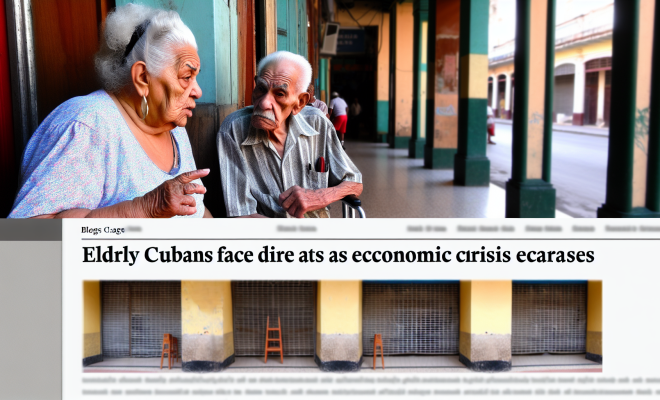
Cuba is facing an economic crisis that has deepened dramatically, leaving many elderly residents, particularly in Old Havana, struggling to survive without adequate support. A report published on April 26, 2026, sheds light on the plight of these seniors, who are increasingly vulnerable as they fend for themselves amid nationwide hardships. This article explores the challenges faced by elderly Cubans and the community efforts to provide necessary support.
Understanding the Crisis
The economic situation in Cuba has been deteriorating for several years, exacerbated by a combination of factors including the ongoing U.S. embargo, the COVID-19 pandemic, and mismanagement within the government. The result has been a significant decline in living standards for all Cubans, but the elderly have been hit particularly hard.
Statistics Highlighting the Struggles
According to recent reports, more than 20% of Cuba’s population is over the age of 60, and this demographic faces unique challenges. Many elderly Cubans rely on state pensions that are inadequate to cover basic needs such as food, healthcare, and housing. In fact, it has been reported that the average pension is around $12 per month, which is insufficient given the skyrocketing prices of essential goods.
The Heart of the Matter: Old Havana
Old Havana, a historic district that attracts tourists from around the world, has become a microcosm of the broader economic struggles facing the country. Here, many elderly residents are left to fend for themselves, with limited access to resources and support systems. The vibrant streets that once buzzed with life are now filled with a palpable sense of desperation among the older population.
Gathering Points for Support
In response to the crisis, community organizations have stepped in to provide assistance. One such place is the Church of the Holy Spirit, which has become a sanctuary for many elderly individuals seeking meals and companionship. Each day, dozens of seniors gather there, forming a tight-knit community as they share stories and support one another.
- Meals Provided: The church distributes nutritious meals, which have become a lifeline for many seniors.
- Social Engagement: These gatherings offer not only food but also an opportunity for social interaction, which is crucial for mental health.
- Additional Resources: The church also provides information about healthcare services and social welfare programs.
Government Response and Criticism
While community efforts have been vital, there are growing calls for the government to take more substantial action to address the needs of the elderly population. Critics argue that the government has been slow to respond to the crisis, leaving many vulnerable individuals without adequate support.
Proposed Solutions
Experts suggest several measures that could help alleviate the plight of elderly Cubans:
- Increase Pension Amounts: Raising pensions to a livable wage could help seniors afford basic necessities.
- Improve Healthcare Access: Ensuring that elderly residents have access to affordable healthcare is crucial for their well-being.
- Expand Community Support Programs: Government funding for community organizations that assist the elderly could enhance their quality of life.
Personal Stories of Resilience
Amid the struggles, the resilience of elderly Cubans shines through. Many share their personal stories, reflecting their tenacity and spirit. One such resident, 78-year-old Maria Rodriguez, expressed her determination to survive despite the odds.
“I wake up every day and find a way to make it through, no matter how hard it gets,” Maria said, as she recounted her daily routine of scavenging for food and attending the church meals.
Community Bonds
The friendships formed among the elderly at the Church of the Holy Spirit serve as a reminder of the strength of community ties. Many seniors look forward to these gatherings, where they can share not only food but also laughter and companionship.
The Role of Non-Governmental Organizations
Non-governmental organizations (NGOs) are playing a crucial role in supporting Cuba’s elderly population. These organizations often operate with limited resources but are dedicated to making a difference in the lives of vulnerable seniors.
NGO Initiatives
Some of the initiatives being undertaken by NGOs include:
- Food Distribution: Many NGOs organize food drives and distributions to ensure that seniors receive adequate nutrition.
- Healthcare Services: Some organizations provide mobile healthcare services, bringing medical professionals to the elderly who cannot travel easily.
- Advocacy: NGOs are also advocating for policy changes that would benefit the elderly population, pushing for reforms that address their needs.
Future Prospects
The future for elderly Cubans remains uncertain as the economic crisis continues to unfold. While community support systems and NGOs are making significant strides, the need for systemic change is urgent.
Hope for Change
As the international community watches closely, there is hope that increased attention will lead to tangible improvements for seniors in Cuba. With the right support and resources, it is possible to create a more sustainable and supportive environment for the elderly population.
Conclusion
The plight of elderly Cubans amidst the deepening economic crisis is a stark reminder of the vulnerabilities faced by this demographic. While community efforts and NGOs are providing essential support, the need for systemic change is critical. As Cuba navigates its challenges, it is imperative that the voices of the elderly are heard and their needs addressed. The resilience of the elderly population, coupled with community solidarity, offers a glimmer of hope for a better future.