The Rise of AI in Education: Trends, Regulations, and Innovations
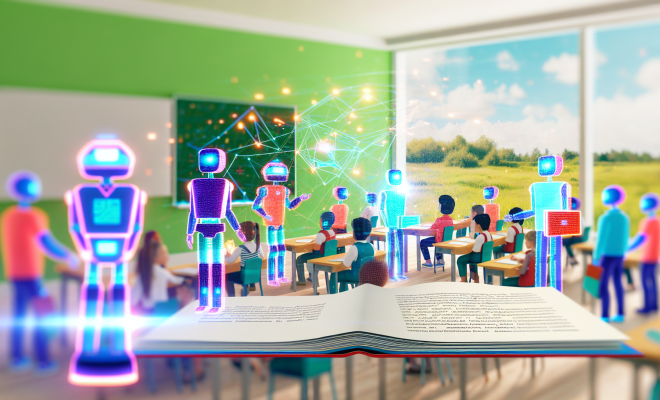
As artificial intelligence (AI) continues to reshape various sectors, its impact on education is becoming increasingly evident. The integration of AI tools in K-12 classrooms is not just a trend but a significant shift towards personalized learning, prompting both excitement and concern among educators, students, and policymakers alike. This article delves into the current landscape of AI in education, highlighting legislative movements, student engagement, and innovative programs aimed at enhancing learning experiences.
AI Regulation in K-12 Classrooms
According to the FutureEd Tracker, a comprehensive examination of educational policies, 52 bills have been proposed across 25 states in the United States targeting the regulation of AI technologies in K-12 classrooms by 2026. This legislative push underscores the growing recognition of the need for guidelines that address ethical concerns, data privacy issues, and the equitable use of AI in educational settings.
The Need for Regulation
As AI becomes more integrated into the educational landscape, the need for regulatory frameworks has become a pressing issue. Policymakers are grappling with questions surrounding the appropriate use of AI, particularly in terms of:
- Student Data Privacy: Ensuring that student information is protected from misuse and unauthorized access.
- Equity and Access: Preventing disparities in access to AI resources, which could widen the achievement gap among students from different socioeconomic backgrounds.
- Ethical Use of AI: Establishing guidelines for the responsible deployment of AI tools, ensuring they enhance rather than hinder the learning process.
The proposed legislation aims to create a balanced approach that fosters innovation while safeguarding the interests of students and educators.
The Adoption of AI by Students
A recent Pew Research study reveals that 54% of U.S. teenagers are now utilizing AI tools to assist with their schoolwork. This statistic highlights the rapid adoption of AI technologies among students, who are increasingly turning to these tools for various academic purposes, including research, writing assistance, and study aids.
Understanding the Student Perspective
For many students, AI represents a valuable resource that can enhance their learning experience. Some of the primary reasons for the growing reliance on AI in education include:
- Personalization: AI can tailor learning experiences to individual student needs, allowing for differentiated instruction that can address varying learning paces and styles.
- Accessibility: AI tools can provide support for students with disabilities, offering customized resources that cater to their specific challenges.
- Efficiency: AI can streamline research and writing processes, enabling students to complete assignments more efficiently.
However, while the benefits are significant, educators express concerns about potential over-reliance on AI tools, which may hinder critical thinking and problem-solving skills. Balancing the advantages and disadvantages of AI usage in classrooms is crucial for maintaining educational integrity.
Innovative AI Tools in Education
In response to the increasing demand for AI-driven educational resources, various organizations are launching innovative tools designed to enhance learning outcomes. One notable example is Google, which recently introduced a free SAT prep program powered by its Gemini AI model.
Google’s SAT Prep Program
The introduction of Google’s SAT prep program represents a significant advancement in the accessibility of test preparation resources. Key features of the program include:
- Personalized Learning Paths: The AI model adapts to individual student strengths and weaknesses, providing tailored practice questions and study materials.
- Real-Time Feedback: Students receive immediate feedback on their performance, allowing them to identify areas for improvement and adjust their study strategies accordingly.
- Comprehensive Resources: The program offers a wide array of practice materials, including quizzes, video tutorials, and interactive exercises.
This initiative not only democratizes access to quality test preparation but also showcases the potential of AI to enhance student learning outcomes in a high-stakes environment.
The Future of AI in Education
As AI technologies continue to evolve, their role in education is likely to expand even further. The ongoing dialogue between educators, students, and policymakers will be crucial in shaping the future landscape of AI in K-12 settings.
Anticipated Developments
Several trends and developments are expected to influence the integration of AI in education over the coming years:
- Increased Investment: As the demand for AI tools grows, we can expect to see increased investment in educational technology startups and initiatives focused on AI-driven solutions.
- Enhanced Teacher Training: Professional development programs will likely expand to include training on the effective use of AI tools in the classroom, empowering teachers to leverage these resources optimally.
- Collaborative Learning: AI tools may facilitate collaborative learning environments, allowing students to engage with peers and educators in new and innovative ways.
These anticipated developments will likely shape not only how AI is utilized in classrooms but also the overall educational experience for students and educators alike.
Conclusion
The rapid integration of AI in education presents both opportunities and challenges. With over half of U.S. teenagers already utilizing AI tools for their studies, the momentum towards a more personalized and accessible learning experience is undeniable. However, the accompanying regulatory landscape is essential to ensure that these technologies are employed ethically and equitably.
As we move forward, ongoing collaboration among stakeholders—educators, students, policymakers, and technology developers—will be crucial in navigating the complexities of AI in education. By fostering a balanced approach that embraces innovation while prioritizing student welfare, we can harness the transformative power of AI to enhance educational outcomes for all learners.