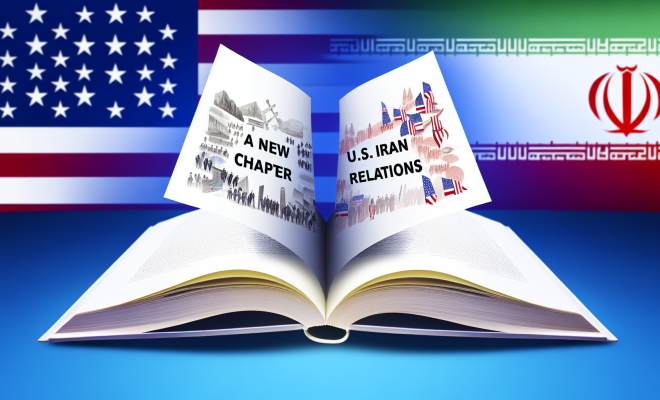
Iran’s Stark Warning: A New Chapter in U.S.-Iran Relations
Introduction
In a dramatic escalation of rhetoric, a senior adviser to Iran’s Supreme Leader has issued a chilling warning, declaring that Iran will “smash and shatter America.” This statement, which comes amid reports of the United States seeking mercy talks, underscores a significant shift in the dynamics of the long-standing conflict between the two nations. The remarks not only reflect Iran’s aggressive posture but also point to perceived vulnerabilities in U.S. strategic positioning.
The Context of Tensions
For decades, the relationship between the United States and Iran has been fraught with tension, characterized by a series of conflicts ranging from military confrontations to economic sanctions. The latest warning from Iran seems to be rooted in a broader context of geopolitical shifts and U.S. strategic failures, as described by Iranian officials. The notion that the U.S. is now desperate enough to seek talks for mercy indicates a significant turning point in this international standoff.
Iran’s Stance: A Show of Strength
The rhetoric employed by Iran’s leadership is not just bluster; it serves as a calculated message to both domestic and international audiences. By threatening to “smash and shatter” America, Iranian officials aim to project strength and resolve in the face of perceived U.S. aggression. This statement aligns with Iran’s broader strategy of positioning itself as a powerful regional player, capable of challenging the global hegemony of the United States.
Strategic Failures of the U.S.
Iran’s claims of U.S. strategic failure resonate with many analysts who have observed the shifting balance of power in the Middle East. Over the years, U.S. foreign policy has faced criticism for its effectiveness, particularly in Iraq and Afghanistan. As Iran continues to expand its influence in the region, the U.S. finds itself in a precarious position, struggling to maintain its standing in the face of growing challenges.
Mercy Talks: A Sign of Weakness?
The reports of the U.S. seeking mercy talks have raised eyebrows among political analysts and observers of international relations. The term “mercy talks” itself suggests a willingness to negotiate from a position of weakness, which could embolden Iran further. This perceived vulnerability could have far-reaching implications not only for U.S.-Iran relations but also for the broader geopolitical landscape.
The Global Implications
As tensions between the U.S. and Iran escalate, the consequences extend beyond the two nations. The ongoing conflict has the potential to impact global markets, particularly in the energy sector. Iran’s threats could lead to increased instability in oil prices, affecting economies worldwide. Additionally, the shift in U.S. strategy may prompt other nations to reevaluate their alliances and positions regarding Iran.
Domestic Reactions in Iran
Within Iran, the government’s strong stance against the U.S. is likely to bolster nationalistic sentiments among the populace. The rhetoric of smashing and shattering America resonates with citizens who have long viewed the U.S. as an adversary. It serves to unify the nation in the face of external threats, providing the regime with an opportunity to rally support and distract from domestic issues.
International Responses
Reactions to Iran’s warning have varied across the international community. Some nations may express concern over the escalation of tensions, while others may view it as an opportunity to reassess their relationships with both the U.S. and Iran. The ability of other countries to mediate or influence the conflict will be crucial in determining the future trajectory of U.S.-Iran relations.
The Role of Allies
- European Union: The EU has historically played a mediating role in U.S.-Iran negotiations and may seek to facilitate dialogue.
- Russia and China: Both nations have been critical of U.S. policies and may support Iran’s stance, further complicating the situation.
The Path Forward
As the situation continues to evolve, the question remains: what path will both nations take? Will the U.S. pursue a strategy of negotiation, or will it double down on its current approach? Similarly, can Iran maintain its aggressive rhetoric while also engaging in diplomatic efforts? The answers to these questions will shape the future of not only U.S.-Iran relations but also the stability of the Middle East.
Conclusion
The recent statements from Iran’s leadership signify a new chapter in the ongoing conflict between the U.S. and Iran. With both nations recalibrating their strategies in response to the changing geopolitical landscape, the potential for escalation remains high. As the world watches closely, the implications of these developments will reverberate far beyond the borders of Iran and the United States, affecting global politics and economics for years to come.