Unraveling the Mystery: Iran’s Response to the Micro-Drone Swarm and the Speculated Origins
Introduction
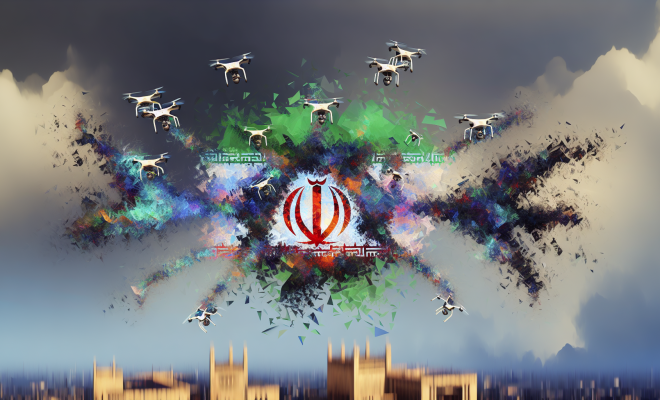
In a dramatic turn of events, Iran’s air defense systems were activated recently to counter a swarm of micro-drones detected over Tehran and other urban centers. The swift response resulted in the interception and destruction of these aerial threats, with Iranian officials confirming that no casualties or damage occurred. However, the origins of these drones have sparked a wave of speculation, with theories suggesting potential involvement from the United States or Israel, or perhaps even an internal sabotage plot. This incident not only highlights Iran’s increasing military readiness but also raises crucial questions about regional stability and security dynamics.
The Incident: What Happened?
On a seemingly ordinary day, Iranian radar systems picked up several micro-drones in the skies above Tehran and neighboring cities. The nature of these drones, often small and difficult to detect, posed a significant challenge for air defense systems. Nevertheless, Iranian forces responded promptly, utilizing their air defense capabilities to neutralize the threat before any damage could materialize.
Officials from Iran’s military confirmed the successful interception of the drones, asserting that they had effectively neutralized the potential threat without any reported casualties or structural destruction. This incident underscores the growing sophistication of drone technology and its implications for national security.
Understanding Micro-Drones
Micro-drones, also known as mini or nano drones, are compact aerial vehicles that can be equipped with surveillance technology, explosives, or even chemical agents. Their small size makes them particularly challenging to detect and intercept, complicating traditional air defense strategies. The utilization of such drones in conflict zones has increased, leading to heightened security concerns globally.
The Technology Behind Micro-Drones
- Size and Maneuverability: Micro-drones can be as small as a few centimeters in length, allowing them to evade radar detection and navigate through tight spaces.
- Advanced Payload Capabilities: These drones can carry various payloads, including cameras, explosives, and sensors, making them versatile tools for reconnaissance and attacks.
- Remote Operation: Typically operated via remote control or autonomously, micro-drones can be deployed for various missions, from surveillance to targeted strikes.
Theories Behind the Drone Swarm
Following the incident, speculation quickly arose regarding the origin of the micro-drones. Analysts and military experts have proposed several theories that delve into the geopolitical tensions surrounding Iran.
US-Israel Involvement
One of the most discussed theories suggests possible involvement from the United States and Israel in orchestrating the drone attack. Both countries have historically been adversaries of Iran and have taken various measures to counter its influence in the Middle East. The speculation hinges on the following points:
- Previous Incidents: In the past, both nations have been implicated in cyber-attacks and military operations aimed at destabilizing Iran’s nuclear program and military capabilities.
- Regional Tensions: The ongoing tensions between Iran and its neighboring countries, particularly Israel, provide a backdrop for potential covert operations.
- Strategic Timing: The timing of the drone swarm coincides with heightened tensions in the region, leading many to speculate that it could be a deliberate provocation.
Internal Sabotage Theories
Another theory suggests that the drone swarm could have been an internal sabotage plot, possibly orchestrated by factions within Iran. This theory is underpinned by several factors:
- Political Fractures: Iran has been experiencing internal political divisions, with various factions opposing each other. An internal group could aim to destabilize the current regime.
- Military Discontent: Discontent within the military or security forces could lead to actions aimed at undermining the government’s credibility.
- Distraction Tactics: An internal group might deploy drones to divert attention from other pressing issues, such as economic struggles or civil unrest.
The Impact on Regional Stability
The incident has significant implications for regional stability. The detection and neutralization of the drone swarm illustrate Iran’s growing technological capabilities in air defense but also highlight the persistent threats it faces from both external and internal sources. The aftermath of this incident could lead to:
- Increased Military Readiness: Iran may enhance its air defense strategies and invest in advanced technologies to counter future threats.
- Heightened Tensions: Speculation regarding external involvement could exacerbate hostilities between Iran and its perceived adversaries, particularly the US and Israel.
- Regional Arms Race: Neighboring countries may respond by bolstering their military capabilities, leading to an arms race in the region.
Conclusion
The drone incident over Tehran raises critical questions about the evolving landscape of warfare and security in the Middle East. As nations continue to leverage advanced technologies such as micro-drones, the potential for conflict and misunderstandings increases. Iran’s ability to respond effectively to the threat demonstrates its military advancements, yet the ongoing speculation regarding the origins of the drones adds a layer of complexity to the already intricate geopolitical dynamics in the region.
As the situation unfolds, it remains essential for observers and analysts to monitor developments closely, as the implications of this incident could resonate far beyond Iran’s borders, influencing international relations and security strategies for years to come.