A Nuclear Renaissance: The Global Revival of Nuclear Energy 40 Years After Chernobyl
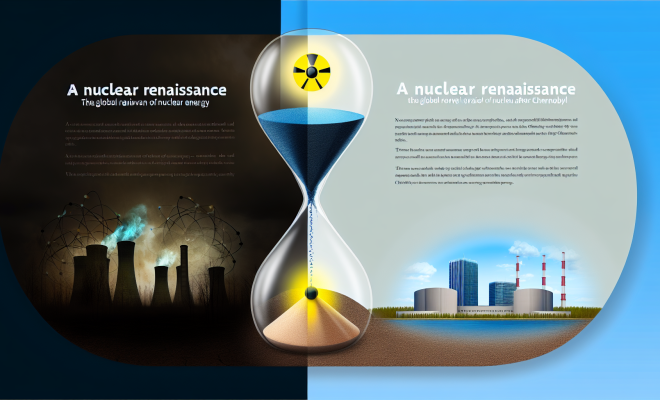
Nuclear energy is enjoying a remarkable resurgence four decades after the catastrophic events of the Chernobyl disaster in 1986. As nations grapple with climate change, energy security, and geopolitical tensions, more countries are returning to nuclear power as a viable and sustainable energy source. Currently, there are over 400 operational nuclear reactors across 31 countries, with around 70 additional reactors under construction. This article delves into the factors driving this revival, the current landscape of nuclear power, and the future implications for global energy production.
The Current Landscape of Nuclear Energy
Nuclear energy now accounts for approximately 10% of the world’s electricity generation and represents a quarter of all low-carbon power sources. This statistic underscores the significant role that nuclear power plays in reducing greenhouse gas emissions and combating climate change. With rising global energy demands, the emphasis on low-carbon energy sources has never been more critical.
Leading Nations in Nuclear Power
The United States remains the global leader in nuclear energy, boasting 94 operational reactors that produce about 30% of the world’s nuclear electricity. In an ambitious move, the U.S. aims to quadruple its nuclear capacity by 2050, highlighting a renewed commitment to harnessing this powerful energy source. The Biden administration’s focus on infrastructure and clean energy transition further signals a robust future for nuclear energy in the U.S.
China is rapidly emerging as a formidable player in the nuclear landscape. With 61 operational reactors and nearly 40 more under construction, China is not just expanding its nuclear capacity; it is positioning itself to potentially lead the world in nuclear energy production. The Chinese government’s commitment to nuclear power is part of its broader strategy to diversify energy sources and reduce reliance on fossil fuels.
Geopolitical Factors Influencing Nuclear Energy’s Revival
The resurgence of nuclear energy can also be attributed to various geopolitical factors, particularly in the wake of conflicts in the Middle East. The volatility in oil and natural gas markets has prompted nations to reconsider their energy strategies, leading to renewed interest in nuclear power as a stable and reliable alternative.
Strategic Mistakes and Policy Shifts
European leaders are beginning to acknowledge that the previous trend of reducing nuclear energy capacity was a strategic mistake. Ursula von der Leyen, the President of the European Commission, has been vocal about the importance of nuclear energy in achieving the European Union’s climate goals. The recognition that nuclear power is essential for energy security and sustainability has led to a shift in policy discussions across Europe.
- Energy Security: As countries face energy supply crises, the stability provided by nuclear power is becoming increasingly valuable.
- Climate Goals: Nuclear energy is crucial in achieving net-zero emissions targets, offering a low-carbon alternative to fossil fuels.
- Technological Advances: Innovations in reactor design and safety protocols are enhancing the appeal of nuclear energy.
The Role of Technology in Nuclear Energy’s Future
Technological advancements play a pivotal role in the nuclear energy revival. New reactor designs, such as Small Modular Reactors (SMRs) and Generation IV reactors, promise enhanced safety features, efficiency, and lower costs. These innovations address some of the public concerns surrounding nuclear energy, such as safety and waste management.
Small Modular Reactors (SMRs)
SMRs are gaining traction due to their scalability and flexibility. Unlike traditional large-scale reactors, SMRs can be built in factories and shipped to sites for assembly, reducing construction times and costs. Additionally, their smaller size allows for deployment in locations where large reactors may not be feasible, thus expanding the potential for nuclear energy generation.
Generation IV Reactors
Generation IV reactors represent the next generation of nuclear technology, designed to be more efficient, safer, and capable of using a broader range of fuels. These reactors aim to minimize nuclear waste and enhance sustainability, making nuclear energy a more appealing option for future energy needs.
Public Perception and Acceptance
Despite the advancements and the strategic benefits of nuclear energy, public perception remains a significant hurdle. The memories of Chernobyl and the Fukushima disaster still loom large, influencing public opinion and policy decisions. However, as awareness of climate change grows and the need for reliable energy sources increases, many communities are beginning to reconsider their stance on nuclear power.
Educational Initiatives and Community Engagement
To overcome the stigma associated with nuclear energy, educational initiatives and community engagement are essential. Governments and nuclear organizations are investing in outreach programs to inform the public about the safety, efficiency, and environmental benefits of modern nuclear technology. Transparency in operations and a commitment to safety can also help rebuild trust with communities.
The Future of Nuclear Energy
Looking ahead, the future of nuclear energy appears promising. As countries strive to meet their climate goals and secure energy independence, nuclear power will likely play an increasingly critical role. The potential for innovation and the commitment from leading nations to expand their nuclear capabilities signal a global shift towards a more sustainable energy future.
Global Collaboration and Innovation
International collaboration will be vital in advancing nuclear technology and addressing shared challenges. Partnerships between countries can facilitate knowledge exchange, enhance safety protocols, and drive research and development efforts. Collaborative projects can also help establish best practices for nuclear waste management and decommissioning processes, which are crucial for public acceptance.
Conclusion
The revival of nuclear energy is not just a response to past mistakes; it is a strategic move towards a sustainable and secure energy future. As nations recognize the benefits of nuclear power amidst global energy challenges, the dialogue around nuclear energy is shifting. With advancements in technology, increased investment, and a commitment to safety and transparency, the nuclear renaissance could be a cornerstone in the fight against climate change, making it a critical player in the global energy landscape for decades to come.