Lyrid Meteor Shower Peaks April 22, 2026: A Celestial Spectacle
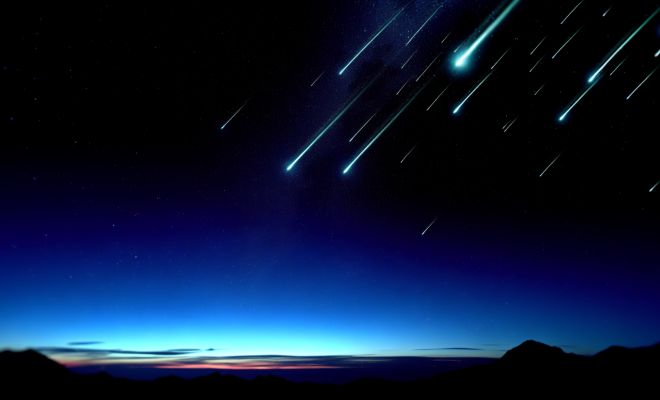
The night sky often reveals magnificent spectacles, but few events capture the imagination quite like meteor showers. Among these, the Lyrid meteor shower stands out for its vibrant display and historical significance. On the morning of April 22, 2026, skywatchers will be treated to the peak of the Lyrid meteor shower, a moment that promises minimal moonlight interference and optimal viewing conditions.
Understanding the Lyrid Meteor Shower
The Lyrid meteor shower is one of the oldest known meteor showers, with records dating back to 687 BC in ancient China. This annual event occurs when Earth passes through the debris left by Comet C/1861 G1 Thatcher. As the Earth travels through this path of cometary dust and debris, particles enter our atmosphere at high speeds, creating the stunning streaks of light that we see as meteors.
Peak Viewing Conditions
The peak of the Lyrid meteor shower in 2026 is particularly favorable due to the timing of the moon phase. On April 22, the moon will be in a waning crescent phase, meaning that its light will not overwhelm the faint meteors. This allows for an excellent opportunity to witness the full glory of the shower without the interference of bright moonlight.
Where and When to Look
The radiant point of the Lyrids is located in the constellation Lyra, just to the right of the bright star Vega. As the night unfolds, the radiant rises in the late evening and reaches approximately 60° high in the eastern sky by 3 A.M. local daylight time. This elevation makes it easier for observers to spot meteors radiating from this point. The highest meteor rates are expected to occur on the nights of April 22nd and 23rd, providing skywatchers with two nights of potential brilliance.
Preparing for the Viewing Experience
To make the most of this celestial spectacle, here are some tips for optimal meteor shower viewing:
- Find a Dark Location: Light pollution can significantly diminish your ability to see meteors. Seek out a location away from city lights.
- Give Your Eyes Time to Adjust: Once you find your viewing spot, allow your eyes about 20-30 minutes to adjust to the darkness.
- Look Up: While the meteors radiate from the constellation Lyra, they can appear anywhere in the sky. Keep your gaze relaxed and let your eyes scan the entire sky.
- Be Patient: Meteor showers can be unpredictable. Be prepared to spend some time outside, enjoying the night sky.
Additional Celestial Highlights
Alongside the Lyrid meteor shower, another exciting astronomical event will take place on the same evening. The Moon will pass just 4° north of Jupiter in the constellation Gemini at 6 P.M. EDT. This planetary conjunction will be visible high in the western sky after sunset and will remain in view until after midnight. Observers will find Jupiter positioned prominently, with the Moon appearing just above it, creating a beautiful sight paired with the backdrop of the twin stars Castor and Pollux.
Viewing the Moon and Jupiter
For those interested in observing the Moon and Jupiter conjunction, here are some tips:
- Check the Weather: Clear skies are essential for optimal viewing. Monitor local weather forecasts in the days leading up to the event.
- Use Binoculars or a Telescope: While both the Moon and Jupiter are visible to the naked eye, binoculars or a small telescope can enhance the experience, revealing details such as Jupiter’s moons.
- Take Photos: If you enjoy astrophotography, consider taking your camera to capture the conjunction. Use a tripod for stability, and experiment with different settings to achieve the best results.
Historical Significance of the Lyrid Meteor Shower
The Lyrid meteor shower has fascinated humanity for centuries. Its origins trace back to ancient civilizations, with the first recorded observations noted in Chinese texts. The Lyrids were often associated with the arrival of spring and renewal, marking a time of celebration and hope.
Throughout history, various cultures have interpreted the meteors in different ways. For instance, the Greeks linked the Lyrids to the myth of Orpheus and his lyre, hence the name of the constellation Lyra. In modern times, the shower has become a staple of amateur astronomy, drawing enthusiasts and families alike to gaze at the night sky.
Scientific Importance
The Lyrid meteor shower is not just a visual treat; it also holds scientific significance. Studying meteor showers helps astronomers understand the composition of comets and the processes involved in the formation of our solar system. By analyzing the particles that create meteors, scientists can gain insights into the materials that existed during the early solar system.
Conclusion
The Lyrid meteor shower peaking on April 22, 2026, presents an exciting opportunity for both seasoned astronomers and casual skywatchers. With minimal moonlight interference and a rich history of celestial observations, this event is not to be missed. Make plans to step outside, look up, and immerse yourself in the wonders of the universe. Whether you are marveling at the streaks of light or enjoying the conjunction of the Moon and Jupiter, this night promises to be a memorable experience in the realm of astronomy.