Decoding Nutrition: The University of Miami’s Innovative Course on Nutritional Literacy
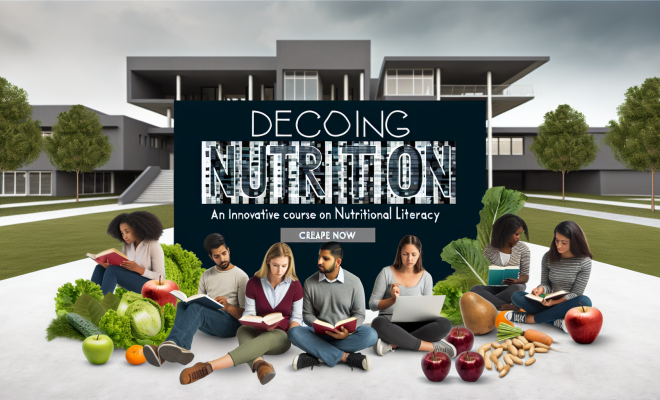
In an age where information is at our fingertips and social media platforms shape public perception, the need for nutritional literacy has never been more critical. Recognizing this necessity, the University of Miami School of Communication has taken a groundbreaking step by launching a pioneering course titled Nutrition and Communication. This course, introduced in the spring semester of 2026, stands out as the first of its kind in a U.S. communication school, aiming to empower students with the skills to navigate the complex landscape of nutritional messaging.
The Importance of Nutritional Literacy
As individuals are bombarded with messages about food and health—ranging from TikTok trends to television commercials—the ability to critically assess these messages is paramount. Nutritional literacy goes beyond merely reading food labels; it encompasses understanding how various forms of communication influence our food choices and health decisions. With the rise of misinformation and marketing tactics that can distort the truth about nutrition, equipping students with the tools to discern fact from fiction is vital.
A Unique Curriculum
The Nutrition and Communication course is designed to engage students from diverse academic backgrounds, making it accessible to both undergraduate and graduate students across all disciplines. This inclusivity fosters a richer learning environment, enabling students to share perspectives from their respective fields while collectively addressing the multifaceted issue of nutritional messaging.
Course Components
- Critical Analysis of Nutrition Messaging: Students will delve into various media, analyzing how nutrition is presented and what implications this has on public health.
- Crafting Effective Health Messages: The course emphasizes the importance of communication skills, teaching students how to create clear, persuasive, and scientifically accurate health messages.
- Guest Speakers: The inclusion of guest speakers from various sectors—nutritionists, dietitians, and communication experts—provides students with real-world insights and practical knowledge.
Impact on Student Outcomes
The curriculum is designed not only to enhance students’ understanding of nutrition but also to prepare them for roles in health communication. As future leaders in communication, students will be better equipped to advocate for public health initiatives and influence positive dietary changes in their communities.
Real-World Application
One of the key objectives of the course is to foster real-world application of the concepts learned. Students will engage in projects that require them to evaluate current nutritional trends, identify misinformation, and propose effective communication strategies to counteract misleading messages. This hands-on approach not only solidifies their learning but also contributes to the broader discourse on nutrition in society.
Challenges in Nutritional Communication
Despite the advancements in nutritional education, significant challenges remain. The prevalence of misinformation, particularly on social media platforms, complicates the public’s understanding of nutrition. Students in the course will critically examine these challenges, learning to navigate the often contradictory information that floods the digital landscape.
The Role of Social Media
Social media platforms, such as TikTok, have become powerful influencers in shaping dietary habits and health beliefs. The course will explore how trends on these platforms can either promote healthy eating or perpetuate harmful dietary myths. By understanding the mechanics of social media influence, students will be better positioned to devise strategies that promote accurate health information.
Building a Foundation for Future Nutritionists
The Nutrition and Communication course at the University of Miami is not just about immediate dietary knowledge; it aims to build a foundation for future nutritionists and health communicators. By emphasizing critical thinking and communication skills, the program prepares students to tackle complex health issues and advocate effectively for nutritional literacy.
Encouraging Interdisciplinary Collaboration
In a world where health issues often intersect with various fields—public policy, marketing, education—the course promotes interdisciplinary collaboration. By bringing together students from different academic backgrounds, the program encourages innovative approaches to addressing nutritional challenges.
Conclusion
As the landscape of nutrition continues to evolve, initiatives like the Nutrition and Communication course are crucial in preparing future generations to meet these challenges head-on. By fostering an environment of critical analysis and effective communication, the University of Miami is setting a precedent for how educational institutions can contribute to a more nutritionally literate society.
Through this course, students will not only learn to read beyond food labels but will also gain the skills necessary to engage with the public in meaningful ways, advocating for healthier choices and ultimately, a healthier society.