Harnessing AI to Detect Early Risk Patterns for Skin Cancer
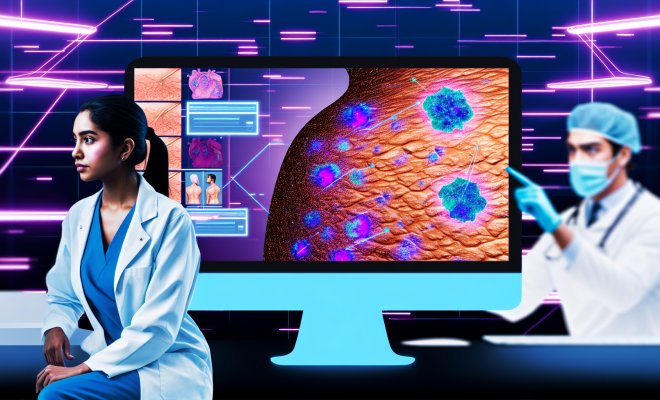
In a groundbreaking study conducted in Sweden, researchers have unveiled how artificial intelligence (AI) can significantly enhance the early detection of melanoma, a serious form of skin cancer. The large-scale research, which analyzed routine health data, demonstrated that advanced AI models are capable of identifying individuals at a higher risk of developing melanoma, outperforming more basic predictive models.
The Study: A Closer Look
Published in April 2026, this extensive study involved a comprehensive review of health data from thousands of individuals, aiming to explore the capabilities of machine learning in medical diagnostics. The researchers utilized an extensive dataset that included health records, demographic information, and historical medical data to train AI algorithms. This approach allowed them to identify subtle risk patterns that might otherwise go unnoticed by traditional assessment methods.
Methodology
The methodology employed in this study involved the development of various AI models, including both basic and advanced algorithms. The researchers compared these models’ performances in predicting melanoma risk based on the analyzed data.
- Basic Models: These models utilized standard risk factors such as age, family history, and previous skin conditions to establish a baseline risk assessment.
- Advanced AI Models: These utilized machine learning techniques to analyze complex patterns in health data, factoring in a wider range of variables and interactions that basic models might overlook.
The results were striking, revealing that the advanced AI models significantly outperformed the basic models in risk detection, underscoring the potential of AI in transforming preventive healthcare.
The Implications of AI in Melanoma Detection
The implications of this research are profound. By leveraging existing patient data, AI not only enhances early detection but also facilitates personalized risk assessment for individuals. This capability could lead to targeted preventative measures and early interventions, which are crucial in improving outcomes for patients at risk of melanoma.
Potential Benefits
- Early Detection: The ability to identify individuals at risk before the onset of symptoms allows for timely interventions, potentially reducing mortality rates associated with melanoma.
- Personalized Healthcare: AI models can tailor recommendations based on individual risk profiles, leading to more effective prevention strategies.
- Resource Optimization: By accurately identifying high-risk patients, healthcare resources can be allocated more efficiently, optimizing screenings and follow-up care.
As skin cancer continues to pose a significant public health challenge, integrating AI into diagnostic practices represents a promising avenue for enhancing patient care and outcomes.
Challenges and Considerations
While the findings of this study are encouraging, several challenges remain in the widespread implementation of AI in clinical settings. Key considerations include:
- Data Privacy: The use of sensitive health data necessitates stringent protocols to ensure patient privacy and compliance with regulations.
- Algorithm Bias: Ensuring that AI models are trained on diverse datasets is crucial to minimize biases that could affect risk assessments.
- Integration into Clinical Practice: Developing user-friendly systems that seamlessly integrate AI findings into existing healthcare workflows is essential for practical application.
Addressing these challenges will be vital as the healthcare industry moves toward more data-driven, AI-enhanced practices.
The Future of AI in Healthcare
The advancements demonstrated in this Swedish study signify just the beginning of AI’s potential in healthcare, particularly in the realm of cancer detection and prevention. With ongoing research and technological advancement, AI could revolutionize how physicians approach risk assessment and management in various medical fields.
As more studies confirm the efficacy of AI in detecting early risk patterns for diseases like melanoma, the healthcare community must remain vigilant in ensuring ethical practices and equitable access to these technologies. The ultimate goal is to harness the power of AI to improve patient outcomes and provide personalized care tailored to individual needs.
In conclusion, the intersection of artificial intelligence and healthcare, particularly in the early detection of skin cancer, presents a promising frontier. The Swedish study serves as a pivotal example of how AI can be leveraged to enhance medical diagnostics and preventive healthcare, paving the way for a future where technology plays an integral role in saving lives.