Maersk Hit by $100M Ransomware Attack in 2026: Global Shipping Disrupted
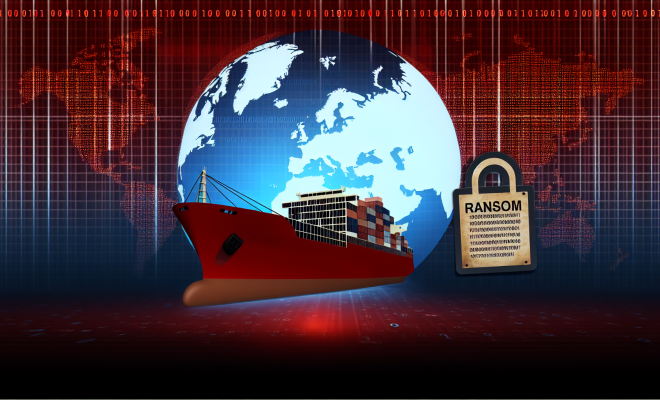
A.P. Moller-Maersk Group, the Danish shipping behemoth, recently experienced a severe ransomware attack attributed to the notorious LockBit 4.0 group. This incident has not only disrupted operations across more than 500 ports worldwide but has also raised significant concerns about the vulnerability of the global supply chain to cyber threats.
Overview of the Attack
The ransomware attack, which occurred on April 15, 2026, led to a crippling halt of container shipments for over 12 hours. The attackers managed to encrypt critical logistics systems and exfiltrate approximately 2.5 terabytes of sensitive data. This stolen data includes vital customer contracts and employee records, compounding the potential damage beyond operational disruption.
Ransom Demand and Company Response
In a troubling turn of events, the LockBit 4.0 gang has demanded a ransom of $100 million in Bitcoin. As of now, Maersk’s CEO Vincent Clerc confirmed that the company has not made any payments to the attackers. Clerc’s statement underscores the company’s commitment to not yielding to ransom demands, a stance that many cybersecurity experts advocate to prevent further incentivization of cybercriminal activities.
Broader Implications for Global Trade
Cybersecurity firm CrowdStrike has reported that the tactics used in this attack mirror strategies employed against at least 15 other maritime firms. This revelation suggests a coordinated cyber campaign targeting the maritime industry, potentially endangering global trade networks. The implications are profound, as disruptions in shipping can ripple through various sectors, affecting everything from manufacturing to retail.
The Financial Impact
The financial repercussions of this attack are significant, not just for Maersk but for the entire shipping industry. With the demand for a $100 million ransom hanging over the company’s head, industry analysts are closely monitoring the situation. The attack could lead to increased insurance premiums for shipping companies and a reevaluation of cybersecurity measures across the industry.
Cybersecurity Preparedness in the Maritime Sector
The attack on Maersk serves as a stark reminder of the vulnerabilities inherent in the maritime supply chain. As digital systems become more integrated into logistics and shipping operations, the potential for cyberattacks increases. Experts emphasize the need for robust cybersecurity measures, including:
- Regular Security Audits: Conducting frequent assessments to identify weaknesses in cybersecurity frameworks.
- Employee Training: Ensuring that staff are educated about phishing attacks and other common cyber threats.
- Incident Response Plans: Developing and regularly updating plans to respond to potential cyber incidents promptly.
- Data Encryption: Implementing strong encryption protocols to protect sensitive information.
Collaborative Efforts in Cyber Defense
Collaboration among maritime firms, government agencies, and cybersecurity companies is crucial in combating the rising tide of cybercrime. Sharing information about threats and vulnerabilities can help companies bolster their defenses. Initiatives such as the Cybersecurity and Infrastructure Security Agency (CISA) in the United States have been pivotal in providing resources and support to critical sectors, including shipping.
Looking Ahead
As the story unfolds, the industry will be watching closely how A.P. Moller-Maersk navigates this crisis. The incident may prompt a wave of new regulations and standards aimed at improving cybersecurity in the maritime sector. Furthermore, it raises questions about the future of ransom payments and the ethics of negotiating with cybercriminals.
Conclusion
The ransomware attack on Maersk highlights the urgent need for enhanced cybersecurity measures across all levels of the supply chain. As the global economy becomes increasingly interconnected, the impact of such cyber threats will only grow. Companies must prioritize their digital defenses to safeguard against potential disruptions and protect sensitive information that is critical to their operations.