Florida Faces Escalating Brush Fire Risks Amid Severe Drought Conditions
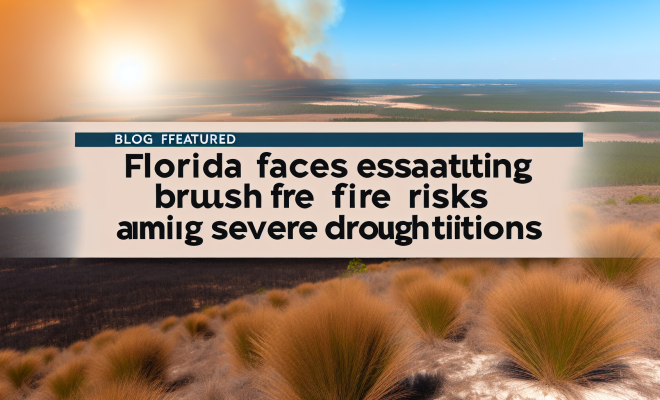
As Florida grapples with its most severe drought since 2001, concerns are mounting over the heightened risk of brush fires across the state. Despite some recent rainfall, the persistent dry conditions have created a precarious environment for wildfires, prompting officials to issue warnings and guidelines to mitigate potential disasters.
The Drought’s Severity
According to Rick Dolan of the Florida Forest Service, the drought impacting Central Florida is not merely a seasonal concern. It reflects a long-term trend that has left the entire state in various stages of drought, leading to significant environmental vulnerabilities. The situation is exacerbated by the fact that Florida’s ecosystems are not only dry but also increasingly susceptible to fire outbreaks.
Impact on Fire Risks
As the drought continues, the conditions that contribute to brush fires become more pronounced. Dry vegetation, low humidity, and warm temperatures create an ideal setting for fires to ignite and spread rapidly. Although specific statistics on fire incidents were not disclosed, the historical context suggests that the risk is significant. In previous years of drought, Florida has experienced widespread brush fires that have threatened homes, wildlife, and natural resources.
Key Factors Contributing to Fire Risks
- Dry Vegetation: The lack of moisture leads to dead and dry plant material, which serves as fuel for fires.
- Weather Patterns: Florida’s climatic conditions, including high temperatures and low humidity, contribute to the likelihood of fire ignition.
- Human Activity: Many brush fires are sparked by human actions, whether through outdoor burning, discarded cigarettes, or other accidental causes.
- Wildlife Impacts: The dry conditions also affect wildlife habitats and increase the vulnerability of various species.
Recent Rainfall: A Temporary Relief?
While recent rains have provided some temporary relief, they are not sufficient to alleviate the ongoing drought conditions throughout Florida. Dolan emphasized that even with sporadic rain showers, the cumulative impact of the drought remains severe. It is a stark reminder that even brief periods of precipitation cannot fully counteract the damaging effects of an extensive dry spell.
Community Preparedness and Response
In light of the heightened fire risks, local governments and fire departments are ramping up their preparedness efforts. Fire officials are urging residents to take precautionary measures, particularly those living near wooded areas or in regions prone to wildfires. Some recommended actions include:
- Creating defensible space around homes by clearing dry brush and debris.
- Adhering to local fire bans and restrictions on outdoor burning.
- Keeping firefighting tools and equipment accessible in case of an emergency.
- Staying informed about weather conditions and fire risks through local news and official channels.
Long-Term Implications
The current drought conditions raise questions about the long-term environmental health of Florida’s ecosystems. Prolonged drought can lead to shifts in plant communities, loss of biodiversity, and increased vulnerability to invasive species. As the state navigates these challenges, it will be crucial to implement strategies that address both immediate fire risks and the broader implications of climate change.
Looking Ahead
As Floridians prepare for the potential dangers of brush fires, it is imperative to remain vigilant and proactive. With climate patterns shifting and drought conditions expected to persist, the state must prioritize environmental resilience. This includes adopting sustainable land management practices, investing in water conservation efforts, and fostering community awareness to ensure that both people and wildlife can thrive in the face of ongoing challenges.
In conclusion, while Florida has faced droughts in the past, the current situation demands urgent attention and action. The combination of severe drought and the potential for brush fires highlights the importance of preparedness, community engagement, and a commitment to protecting Florida’s natural resources for future generations.