California Restaurant Staff Intervene as Dancing Robot Causes Commotion
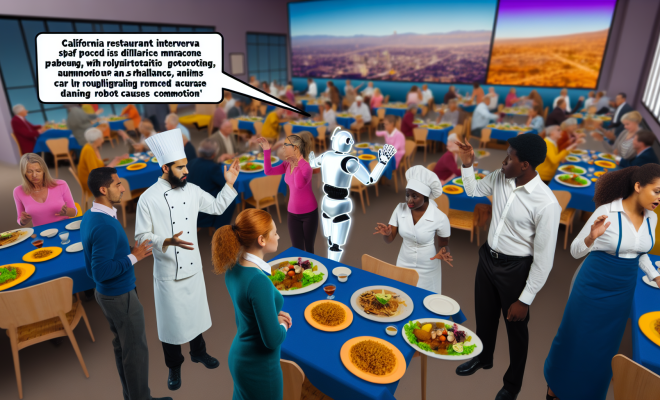
In an unusual yet amusing incident reported on April 10, 2026, staff at a restaurant in California found themselves in a peculiar situation when a dancing store robot caused a disruption among patrons. The incident serves as a light-hearted reminder of the quirky interactions that can occur in spaces where technology and human life intersect.
Unexpected Disruptions in Dining Experiences
The incident unfolded during a busy lunch hour, when diners were surprised to see a robot, originally designed for retail environments, breaking into a dance routine right in the middle of the restaurant. While many customers were entertained by the robot’s unexpected performance, some expressed concern over the disruption it created.
Robot’s Performance Draws Mixed Reactions
As the robot twirled and spun, it garnered a mix of laughter and bewilderment from restaurant-goers. Some customers were amused and took videos to share on social media, while others felt the performance was out of place in a dining setting. The restaurant staff quickly intervened, acknowledging the robot’s antics but ultimately deciding to restrain it to restore a peaceful dining atmosphere.
The Rise of Robotics in Retail and Hospitality
This incident highlights a growing trend in the retail and hospitality sectors: the increasing reliance on robots to enhance customer interactions. Robotics technology has made significant advancements over the past few years, with many establishments adopting robotic assistants to streamline operations and improve customer service. However, the interaction between humans and these machines can sometimes lead to unexpected scenarios.
Benefits and Challenges of Service Robots
- Efficiency: Robots can handle repetitive tasks, allowing human staff to focus on more complex customer interactions.
- Innovation: The use of robotics in restaurants and retail creates a modern and engaging experience for customers.
- Potential for Disruption: As seen in this incident, robots can occasionally misjudge social cues, leading to unexpected interruptions.
While the deployment of robots can enhance service delivery, the incident at the California restaurant raises important questions about their integration into social environments. How do customers feel about robots taking on roles traditionally held by humans? And what guidelines should be established to ensure these interactions are positive?
Public Perception of Robotics
As robots become more prevalent in public spaces, understanding public sentiment is crucial for businesses. According to recent surveys, many consumers appreciate the convenience and novelty that service robots bring. However, there is also a significant portion of the population that remains skeptical about their presence in social settings.
Key Concerns Among Consumers
- Job Security: Many workers worry that the rise of robotics will lead to job losses in the service industry.
- Social Interaction: Some customers feel that robots lack the personal touch that human staff provide.
- Technical Issues: Concerns about malfunctions or inappropriate behavior, as witnessed in the restaurant, can lead to unease.
This blend of enthusiasm and apprehension underscores the complex relationship society has with technology, particularly in settings where personal service is paramount.
The Future of Robotics in Hospitality
Looking forward, it is clear that robotics will continue to play a significant role in the hospitality industry. As technology evolves, developers are working to create robots that can adapt more seamlessly to human interactions. This includes programming social cues and enhancing emotional intelligence in machines.
What Lies Ahead?
In the future, we may see robots that not only serve food but also engage in conversation, provide entertainment, and even offer personalized recommendations based on customer preferences. The incident at the California restaurant may just be a humorous reminder of the current limitations of robotic technology.
As businesses navigate the integration of robots into their operations, they must also consider customer feedback and experiences. Balancing innovation with human interaction will be crucial for the successful coexistence of robots and humans in public spaces.
Conclusion: Embracing Change with Caution
While the dancing robot incident may have caused a momentary disruption, it also offers valuable insights into the evolving landscape of service delivery. As we embrace the benefits of robotics in restaurants and retail, it is essential to do so with a thoughtful approach that prioritizes customer comfort and satisfaction.
Ultimately, the goal should be to create a harmonious environment where both humans and robots can thrive together, enhancing experiences rather than detracting from them. The future of dining and retail will likely be marked by an intriguing blend of technology and personal service, making for a unique consumer experience.