U.S. and Iran Reach Preliminary Ceasefire Agreement Amid Heightened Tensions
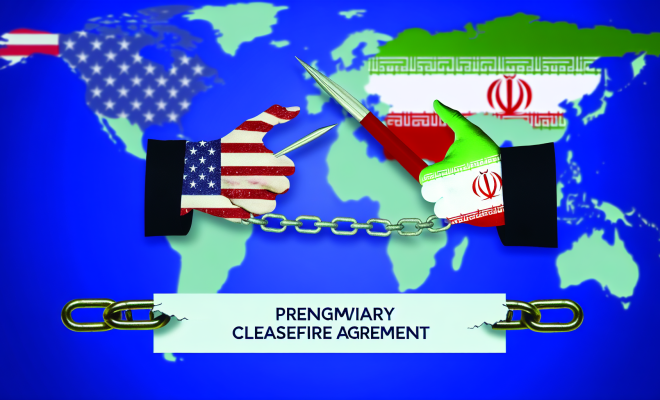
In a significant development in U.S.-Iran relations, President Donald Trump has announced a two-week ceasefire with Iran. This agreement comes in the wake of escalating tensions between the two nations and aims to pave the way for more comprehensive negotiations. The ceasefire is contingent upon Iran reopening the vital Strait of Hormuz for traffic, a strategic waterway that is essential for global oil shipments.
Ceasefire Conditions and Implications
The ceasefire agreement is not merely a pause in hostilities but rather a strategic maneuver designed to de-escalate ongoing conflicts. According to political analyst Aaron MacLean, the terms of the ceasefire include a stipulation for Iran to allow the free passage of vessels through the Strait of Hormuz. This waterway has been a flashpoint in U.S.-Iran relations, with both countries having a vested interest in its security and accessibility.
The Strait of Hormuz connects the Persian Gulf with the Gulf of Oman and is one of the most critical maritime chokepoints in the world. Approximately 20% of the world’s oil trade passes through this narrow channel, making its security vital not just for regional players but for the global economy as well. By reopening the strait, Iran would signal its willingness to engage in negotiations and reduce tensions with the United States.
Background of U.S.-Iran Tensions
The backdrop of this ceasefire is steeped in a history of animosity. The U.S. and Iran have been at odds since the 1979 Iranian Revolution, which saw the overthrow of the U.S.-backed Shah and the establishment of the Islamic Republic. Relations soured further with the U.S. withdrawal from the Joint Comprehensive Plan of Action (JCPOA) in 2018, a move that reinstated economic sanctions against Iran.
In recent months, tensions have escalated dramatically, with increased military posturing from both sides. Incidents involving naval confrontations and drone strikes have raised alarms over the potential for a broader conflict. The announcement of a ceasefire is seen as a crucial step toward restoring some degree of stability in the region.
Potential Outcomes of the Ceasefire
While the ceasefire is a positive development, its long-term impact remains uncertain. Analysts suggest that this agreement could serve as a foundation for more extensive diplomatic efforts. A successful ceasefire could lead to renewed discussions on nuclear disarmament, regional security, and even economic cooperation.
- De-escalation of military tensions: The ceasefire could lead to a reduction in military confrontations, allowing both nations to redirect their focus toward diplomatic negotiations.
- Reopening of trade routes: Allowing traffic through the Strait of Hormuz would facilitate the flow of oil and other goods, benefiting both Iranian and global economies.
- Building trust: A successful ceasefire could build a level of trust that may be necessary for future negotiations on contentious issues, including Iran’s nuclear program.
International Reactions
The international community has largely welcomed the ceasefire agreement, viewing it as a hopeful signal amidst a backdrop of instability. European allies, who have long sought to mediate between the U.S. and Iran, see this as an opportunity to reinvigorate diplomatic efforts that have been stymied since the U.S. withdrew from the JCPOA.
However, skepticism remains prevalent among some analysts and policymakers. Many question whether Iran will adhere to the terms of the ceasefire, given its history of defiance in the face of U.S. sanctions and pressure. The Iranian government has previously shown reluctance to engage in negotiations that it perceives as one-sided or coercive.
Looking Ahead
As both nations navigate the complexities of this ceasefire, the next two weeks will be critical. The success or failure of this agreement could set the tone for future interactions between the U.S. and Iran. Political analysts emphasize the importance of maintaining open lines of communication to prevent misunderstandings that could lead to renewed conflict.
In conclusion, the ceasefire between the U.S. and Iran represents a glimmer of hope in a fraught geopolitical landscape. While the immediate goal is to reduce tensions and reopen the Strait of Hormuz, the broader implications for international diplomacy and regional stability are yet to be fully realized. As both sides work through the terms of this agreement, the world watches closely, hopeful for a peaceful resolution in a region long plagued by conflict.