Texas Students Fight for Inclusive Social Studies Curriculum 2026
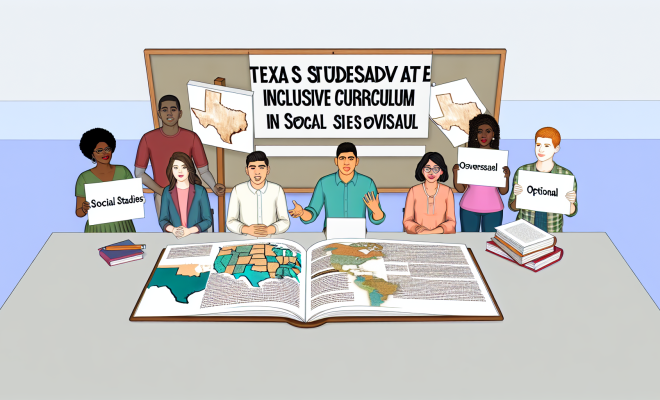
On April 8, 2026, a significant gathering took place at the Texas State Board of Education, where students, parents, and educators voiced their concerns regarding the ongoing revision of social studies standards. The audience urged the board to prioritize inclusivity and critical thinking in the curriculum, rather than allowing political biases to shape educational content. This call for a more balanced approach comes amidst a backdrop of growing concerns about the implications of political influence on educational standards.
Background of the Social Studies Standards Overhaul
The Texas State Board of Education, which holds a Republican majority, initiated a redesign of social studies standards in 2025. The board’s revision emphasizes Texas and U.S. history while significantly downplaying the importance of world cultures and historical contexts. The finalization of these revised standards is scheduled for summer 2026, with a rollout expected by 2030. This timeline has raised alarms among various stakeholders who fear that an imbalanced curriculum could lead to a narrow understanding of history.
Student Voices Against Political Influence
Among the prominent voices at the meeting were students like Caiden Davis from Humble and Zayra Espinoza from Houston. These young advocates articulated their concerns that the current draft of the standards appears to prioritize Western civilization and Christian perspectives, potentially marginalizing the rich diversity of experiences that shape American and global histories.
Davis and Espinoza, alongside their peers, highlighted that the proposed curriculum risks excluding the perspectives of people of color and others who have historically been underrepresented in educational narratives. They argue that a comprehensive education should reflect a multitude of viewpoints and encourage students to engage with history critically and thoughtfully.
The Role of Educators and Experts
Critics of the overhaul have raised concerns about the composition of the advisory panel assisting in the development of the new standards. Many of the advisers lack classroom experience, which raises questions about their understanding of current educational practices and the needs of students. Critics argue that this disconnect could lead to a curriculum that does not effectively prepare students for a diverse and interconnected world.
Furthermore, the reliance on individuals tied to conservative activism has led to fears that the curriculum will serve more as a political tool than as an educational framework. The apprehension centers around the potential for the standards to reflect specific ideological viewpoints rather than a balanced presentation of historical facts and interpretations.
The Importance of Inclusion in Education
As educational institutions strive to prepare students for a global society, the emphasis on inclusion becomes increasingly relevant. Research indicates that diverse educational content can enhance critical thinking skills and foster greater empathy among students. When students are exposed to a variety of historical perspectives, they are better equipped to understand the complexities of societal issues and engage in constructive dialogue.
Inclusion in education is not only about representing different cultures and histories but also about recognizing the contributions of various groups to the fabric of society. Advocates argue that when students learn about the experiences and achievements of different communities, they gain a more comprehensive understanding of the world around them, which is essential for informed citizenship.
Next Steps for the Texas State Board of Education
The Texas State Board of Education is at a critical juncture as it prepares to finalize the new social studies standards. The feedback from students, parents, and educators will likely play a crucial role in shaping the outcome. As the board deliberates, it faces the challenge of balancing political influences with the educational needs of a diverse student population.
Moving forward, stakeholders are calling for transparency in the decision-making process and greater involvement from classroom teachers who have firsthand experience with the challenges and opportunities in teaching social studies. By prioritizing the voices of those directly impacted by educational policies, the board has the opportunity to create a curriculum that reflects the values of inclusion and critical thinking.
Conclusion: A Call for a Balanced Approach
The testimony presented at the Texas State Board of Education serves as a compelling reminder of the importance of inclusive education in shaping future generations. As the board prepares to finalize the social studies standards, the call for a balanced approach that emphasizes diverse perspectives over political agendas must resonate strongly. Addressing the needs of all students is not just an educational imperative but a societal one, ensuring that future citizens are well-informed, empathetic, and equipped to navigate the complexities of an increasingly diverse world.