The Tech Edvocate

Top Menu

  • Advertisement
  • Apps
  • Home Page
  • Home Page Five (No Sidebar)
  • Home Page Four
  • Home Page Three
  • Home Page Two
  • Home Tech2
  • Icons [No Sidebar]
  • Left Sidbear Page
  • Lynch Educational Consulting
  • My Account
  • My Speaking Page
  • Newsletter Sign Up Confirmation
  • Newsletter Unsubscription
  • Our Brands
  • Page Example
  • Privacy Policy
  • Protected Content
  • Register
  • Request a Product Review
  • Shop
  • Shortcodes Examples
  • Signup
  • Start Here
    • Governance
    • Careers
    • Contact Us
  • Terms and Conditions
  • The Edvocate
  • The Tech Edvocate Product Guide
  • Topics
  • Write For Us
  • Advertise

Main Menu

  • Start Here
    • Our Brands
    • Governance
      • Lynch Educational Consulting, LLC.
      • Dr. Lynch’s Personal Website
      • Careers
    • Write For Us
    • The Tech Edvocate Product Guide
    • Contact Us
    • Books
    • Edupedia
    • Post a Job
    • The Edvocate Podcast
    • Terms and Conditions
    • Privacy Policy
  • Topics
    • Assistive Technology
    • Child Development Tech
    • Early Childhood & K-12 EdTech
    • EdTech Futures
    • EdTech News
    • EdTech Policy & Reform
    • EdTech Startups & Businesses
    • Higher Education EdTech
    • Online Learning & eLearning
    • Parent & Family Tech
    • Personalized Learning
    • Product Reviews
  • Advertise
  • Tech Edvocate Awards
  • The Edvocate
  • Pedagogue
  • School Ratings

logo

The Tech Edvocate

  • Start Here
    • Our Brands
    • Governance
      • Lynch Educational Consulting, LLC.
      • Dr. Lynch’s Personal Website
        • My Speaking Page
      • Careers
    • Write For Us
    • The Tech Edvocate Product Guide
    • Contact Us
    • Books
    • Edupedia
    • Post a Job
    • The Edvocate Podcast
    • Terms and Conditions
    • Privacy Policy
  • Topics
    • Assistive Technology
    • Child Development Tech
    • Early Childhood & K-12 EdTech
    • EdTech Futures
    • EdTech News
    • EdTech Policy & Reform
    • EdTech Startups & Businesses
    • Higher Education EdTech
    • Online Learning & eLearning
    • Parent & Family Tech
    • Personalized Learning
    • Product Reviews
  • Advertise
  • Tech Edvocate Awards
  • The Edvocate
  • Pedagogue
  • School Ratings
  • US Battery as a Service Market Shifts Toward Fleet-Based Energy

  • The Startling Truth: Why Americans Distrust AI with Their Health

  • This Crucial Deadline for Banks Is Closer Than You Think

  • Baffling: CrowdStrike’s $500 Million AI Bet Reshapes Cybersecurity

  • This Crucial Autonomous Driving Rule Could Cost You Everything

  • Baffling: Microsoft AI CEO Demands Halt to Conscious AI Development

  • O seară în ritmul tău: atmosfera divertismentului de cazinou pe internet

  • Outrageous: AppLovin Hit With Lawsuit Over AI Claims — What Investors Need to Know

  • 9 Critical Ways AI Investment Fraud Is Quietly Draining Your Bank Account

  • Is the AI Bubble Bursting? OpenAI’s Funding Woes Revealed

Tech News
Home›Tech News›Unlock ADHD Strengths: Boost Mental Well-Being in 2025

Unlock ADHD Strengths: Boost Mental Well-Being in 2025
By Matthew Lynch
April 2, 2026
0
Spread the love

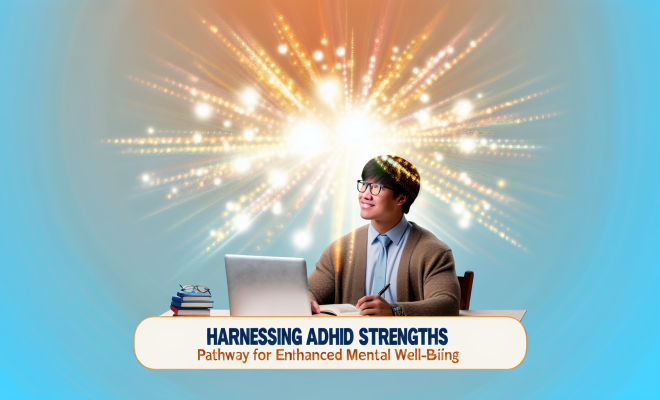
The landscape of Attention Deficit Hyperactivity Disorder (ADHD) is undergoing a transformative shift, as recent research highlights the potential strengths associated with the condition rather than solely focusing on its challenges. A groundbreaking study published on December 31, 2025, reveals that adults with ADHD who effectively leverage their unique attributes—such as creativity, humor, and the ability to hyperfocus—report significantly greater happiness, improved health, and reduced stress levels. This positive reframing is set to change the narrative surrounding ADHD, encouraging individuals to recognize and embrace their strengths as a pathway to enhanced mental well-being.

Understanding ADHD Beyond the Deficits

Traditionally, ADHD has been viewed primarily through a deficit-focused lens, emphasizing the difficulties faced by individuals in managing attention, impulsivity, and hyperactivity. However, the new findings challenge this perspective by showcasing how the very traits often seen as obstacles can be transformed into powerful tools for personal growth and fulfillment.

Key Strengths Identified in the Study

The study identified several key strengths commonly associated with individuals who have ADHD:

  • Creativity: Many adults with ADHD exhibit heightened creativity, allowing them to think outside the box and develop innovative solutions to problems.
  • Humor: A strong sense of humor is often found in individuals with ADHD, which can enhance social interactions and foster connections with others.
  • Hyperfocus: While distractibility is a hallmark of ADHD, many individuals experience periods of hyperfocus, where they can concentrate intensely on tasks that interest them.

By recognizing these strengths, adults with ADHD can shift their self-perception from one of inadequacy to one of empowerment, facilitating a more positive outlook on life.

The Connection Between Strengths and Mental Health

The study’s findings suggest a strong correlation between the recognition of these strengths and overall mental health outcomes. Participants who actively engaged with their ADHD-related traits reported:

  • Higher levels of happiness: Embracing their unique abilities contributed to a greater sense of satisfaction and joy in life.
  • Improved health: Many individuals noted better physical health, potentially due to the positive mental state fostered by acknowledging their strengths.
  • Reduced stress: By focusing on what they do well, individuals experienced lower stress levels, allowing for better coping mechanisms in challenging situations.

This positive feedback loop illustrates how self-recognition can lead to better mental health, making a compelling case for a shift in how ADHD is discussed and treated.

Strategies for Leveraging ADHD Strengths

Based on the insights from the study, researchers provided practical strategies for adults with ADHD to leverage their strengths effectively:

  • Self-Reflection: Individuals are encouraged to engage in self-reflection to identify their unique strengths and consider how these can be used in daily life.
  • Goal Setting: Setting realistic and achievable goals that align with one’s strengths can enhance motivation and achievement.
  • Support Networks: Connecting with others who have ADHD can create supportive communities where strengths are celebrated, and shared experiences provide encouragement.
  • Professional Guidance: Seeking support from mental health professionals familiar with ADHD can help individuals develop personalized strategies for success.

Implementing these strategies can lead to a more fulfilling life, characterized by greater resilience and well-being.

Changing the Conversation About ADHD

This study is a crucial step toward changing the broader conversation about ADHD. By shifting focus from deficits to strengths, society can cultivate a more inclusive understanding of the condition. This not only benefits individuals with ADHD but also their families, communities, and workplaces, all of which can thrive when diverse cognitive styles are embraced.

Future Research Directions

The implications of this study are far-reaching, paving the way for future research that explores:

  • The long-term effects of strength-based approaches on mental health outcomes.
  • How societal perceptions of ADHD can be transformed through education and advocacy.
  • The role of ADHD strengths in various professional and creative fields.

As researchers continue to delve into these areas, the hope is to foster a comprehensive understanding of ADHD that values individual differences and promotes mental well-being.

Conclusion

The December 2025 study serves as a beacon of hope for individuals with ADHD, highlighting the importance of recognizing and leveraging personal strengths. By embracing creativity, humor, and hyperfocus, adults with ADHD can pave a new path toward happiness and fulfillment, ultimately redefining what it means to live with ADHD. As society shifts its focus towards a strengths-based narrative, we can expect to see a more supportive environment for those navigating the complexities of this condition.

Previous Article

New Vagus Nerve Implant Offers Hope for ...

Next Article

2026 Study Uncovers Shared Genetics of 14 ...

Matthew Lynch

Related articles More from author

  • Tech News

    How to connect wireless keyboard

    June 16, 2026
    By Matthew Lynch
  • Tech News

    Aquivio & Sustainable Urban Living at SusHi Tech Tokyo 2026

    April 6, 2026
    By Matthew Lynch
  • Tech News

    Master Photoshop Actions: Streamline Your Workflow Today

    July 18, 2026
    By Matthew Lynch
  • Tech News

    Track Your Running Progress: Tools & Tips for 2024

    July 2, 2026
    By Matthew Lynch
  • Tech News

    Blackboard Learn vs Canvas comparison

    August 23, 2026
    By Matthew Lynch
  • Tech News

    Unbelievable: This School System Just Pulled Toni Morrison’s Classic – Here’s Why It’s Causing Uproar

    September 21, 2026
    By Matthew Lynch

Search

Login & Registration

  • Log in
  • Entries feed
  • Comments feed
  • WordPress.org

Newsletter

Signup for The Tech Edvocate Newsletter and have the latest in EdTech news and opinion delivered to your email address!

About Us

Since technology is not going anywhere and does more good than harm, adapting is the best course of action. That is where The Tech Edvocate comes in. We plan to cover the PreK-12 and Higher Education EdTech sectors and provide our readers with the latest news and opinion on the subject. From time to time, I will invite other voices to weigh in on important issues in EdTech. We hope to provide a well-rounded, multi-faceted look at the past, present, the future of EdTech in the US and internationally.

We started this journey back in June 2016, and we plan to continue it for many more years to come. I hope that you will join us in this discussion of the past, present and future of EdTech and lend your own insight to the issues that are discussed.

Newsletter

Signup for The Tech Edvocate Newsletter and have the latest in EdTech news and opinion delivered to your email address!

Contact Us

The Tech Edvocate
910 Goddin Street
Richmond, VA 23231
(601) 630-5238
[email protected]

Copyright © 2026 Matthew Lynch. All rights reserved.