Salt Lake City’s Air Quality: A Shifting Pollutant Landscape
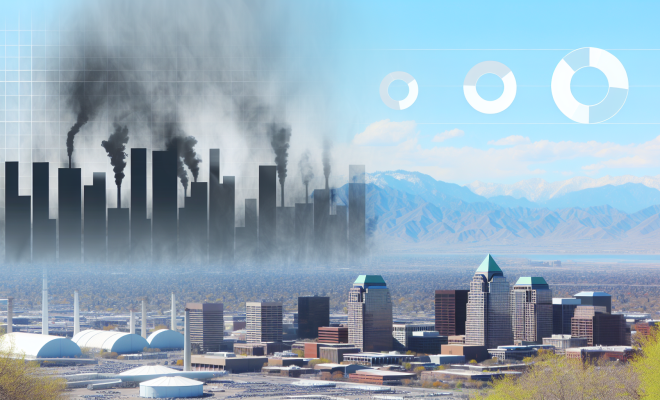
In recent years, Salt Lake City has made significant strides in reducing emissions of key pollutants, showcasing a notable shift in the sources of air pollution in urban environments. A comprehensive study conducted by the University of Utah in collaboration with the National Oceanic and Atmospheric Administration (NOAA) and published in the journal Atmospheric Environment reveals that emissions from road traffic have steadily decreased over the past two decades. However, this positive trend comes with a caveat: while vehicle emissions decline, other sources of pollution are gaining ground, complicating the city’s air quality landscape.
Declining Emissions from Road Traffic
According to the findings led by researcher Haley Humble, Salt Lake City has seen a marked reduction in emissions of two major pollutants, specifically nitrogen oxides (NOx) and particulate matter (PM2.5), which are known contributors to urban air pollution and respiratory issues. The study highlights that over the last twenty years, emissions from vehicles have decreased significantly, indicating successful measures taken to curb pollution from this traditional source.
The decline in vehicle emissions can be attributed to several factors:
- Improved Vehicle Standards: Stricter regulations on vehicle emissions have led to the adoption of cleaner technologies and fuels.
- Increased Public Awareness: Enhanced public awareness regarding environmental issues has encouraged more residents to opt for sustainable transportation methods, such as public transit, biking, and walking.
- Urban Planning Initiatives: Urban development strategies that prioritize walkable neighborhoods and public transportation have reduced reliance on personal vehicles.
Steady Carbon Dioxide Levels
Interestingly, while pollutants from vehicles have shown a decline, the study found that carbon dioxide (CO2) levels in Salt Lake City have remained relatively stable over the same period. This stability raises questions about the effectiveness of current strategies in addressing greenhouse gas emissions, especially as climate change continues to be a pressing global concern.
The consistency of CO2 levels suggests that while local efforts to reduce traditional pollutants have made an impact, comprehensive measures are still needed to tackle greenhouse gases effectively. The challenge lies in the fact that CO2 is primarily emitted from a broader range of sources beyond just vehicular traffic, including:
- Industrial processes
- Residential heating
- Energy production from fossil fuels
Emerging Sources of Pollution
As vehicle emissions decline, the study indicates that pollution sources are becoming increasingly mixed. The rise of industrial emissions, residential heating, and off-road equipment usage presents a new challenge for air quality management in Salt Lake City. Understanding these emerging sources is crucial to formulating effective strategies to improve overall air quality.
The research highlights the importance of recognizing that as one source of pollution diminishes, others may take its place. For example:
- Industrial Emissions: With the growth of local industries, emissions from manufacturing and production processes are becoming more significant contributors to air pollution.
- Residential Heating: The reliance on wood-burning stoves and other heating methods can lead to increased levels of fine particulate matter, particularly during colder months.
- Off-Road Equipment: The use of off-road vehicles, particularly in recreational and construction activities, is adding to the overall emissions profile.
Implications for Policy and Public Health
The findings from this study underline the need for policymakers to adapt their strategies in response to the changing landscape of air quality. As the sources of pollution diversify, effective regulation and innovation will be key in ensuring that air quality improves rather than stagnates or declines.
Experts suggest that a multi-faceted approach is necessary, including:
- Enhancing Public Transportation: Further investment in public transit can reduce reliance on personal vehicles, leading to lower emissions.
- Promoting Renewable Energy: Transitioning to renewable energy sources for residential heating and industrial processes can significantly reduce CO2 levels.
- Increasing Community Engagement: Educating residents about sustainable practices and alternatives can foster a culture of environmental responsibility.
Conclusion
Salt Lake City’s journey toward improved air quality reflects both progress and the need for continued vigilance. The steady decline in vehicle emissions is a testament to successful strategies, but the emergence of new pollution sources necessitates an evolving response. As climate concerns become increasingly urgent, the city must harness innovation and community engagement to tackle the challenges ahead. By doing so, Salt Lake City can not only maintain its current gains but also pave the way for a cleaner, healthier future.