Invisible Labor: How Mothers Shape Children’s Emotional Worlds
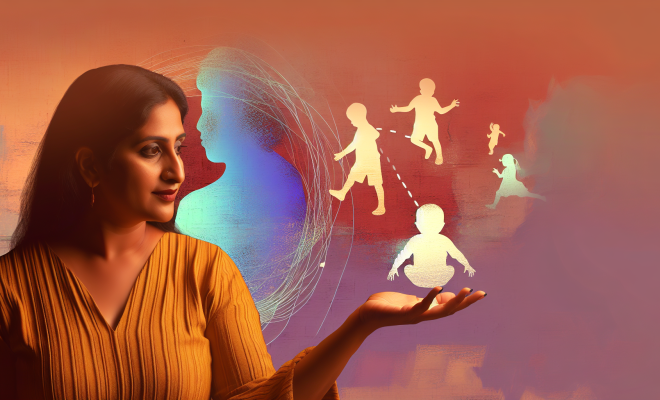
The journey of motherhood is often portrayed through the lens of joy and chaos, yet there exists a profound, quieter aspect that deserves recognition. In her insightful article, Camilla van Rosendal highlights the invisible emotional and relational labor that mothers engage in, which fundamentally shapes their children’s emotional environments. This work is not easily measured or recognized, yet its impact is deeply felt.
The Emotional Atmosphere of Home
Motherhood is a role where emotional intelligence plays a pivotal part. Mothers continuously adjust the emotional climate within their homes, acting as the stabilizing force that senses and softens tensions before they escalate. This ability to read the room, so to speak, is a critical skill that influences not just immediate interactions but also the long-term emotional well-being of children.
Understanding Conflict and Emotional Safety
Through the lens of this invisible labor, children learn important life skills such as conflict resolution, emotional safety, and relational repair. Rather than being taught these lessons through direct instruction, children absorb them from the environment their mothers create. This process is subtle, yet it is incredibly effective. The way a mother navigates conflict, shows empathy, and reinforces emotional safety becomes a template for her children.
For instance, when a disagreement arises, a mother’s approach can teach her children how to handle similar situations in their own lives. By demonstrating calmness and understanding, she instills a sense of security and helps her children understand that it is safe to express their emotions. Camilla van Rosendal emphasizes that this shaping of emotional ecosystems is not about grand gestures but rather the small, everyday choices that mothers make.
The Unseen Labor of Motherhood
The role of a mother often includes not only nurturing but also safeguarding the emotional health of the family. This labor is not celebrated with milestones or accolades, which can make it feel undervalued. However, its significance is profound. Mothers often find themselves in a position where they are constantly balancing their own emotional needs with those of their children and partners.
The Ripple Effects of Emotional Labor
This kind of labor creates a ripple effect throughout the family unit. When mothers successfully manage the emotional landscape, it can lead to:
- Stronger Relationships: Children who witness healthy conflict resolution are more likely to replicate these behaviors in their interactions with others.
- Increased Emotional Intelligence: Children learn to identify and articulate their feelings, which is crucial for their development.
- A Sense of Security: A stable emotional environment helps children feel safe and secure, allowing them to explore the world with confidence.
- Resilience: As children learn to navigate emotions, they develop resilience, making them better equipped to handle challenges in the future.
A Foundation for Development
The emotional climate established by mothers creates the foundation upon which children build their understanding of relationships and conflict. This background work is essential for their overall development and well-being. Camilla van Rosendal points out that without clear milestones, this stabilizing role may go unnoticed, but its impact is lasting.
As children internalize the lessons learned from their mothers, they carry these teachings into adulthood. They learn to foster healthy relationships, resolve conflicts peacefully, and create supportive environments for their own families one day.
The Importance of Recognition
Acknowledging the importance of this unseen labor is crucial. Society often celebrates tangible achievements, yet the emotional labor of mothers is equally important. Recognizing and valuing this work can lead to greater support for mothers, whether through policy changes, community support, or simply by acknowledging the hard work they do every day.
Furthermore, as we discuss and elevate the conversation around mental health and emotional awareness, it is essential to include the unique contributions mothers make to nurturing these qualities in their children. By shining a light on the importance of emotional labor, we can help create a more supportive environment for mothers and families.
Conclusion
The journey of motherhood encompasses both visible and invisible labor. As mothers continue to shape their children’s emotional ecosystems through their quiet, often unrecognized work, they are laying the groundwork for future generations. By understanding and appreciating this invisible labor, we can foster a culture that values emotional intelligence and nurtures the well-being of families.