Middle East Diplomats Gather in Doha for Peace Talks Amid Rising Tensions
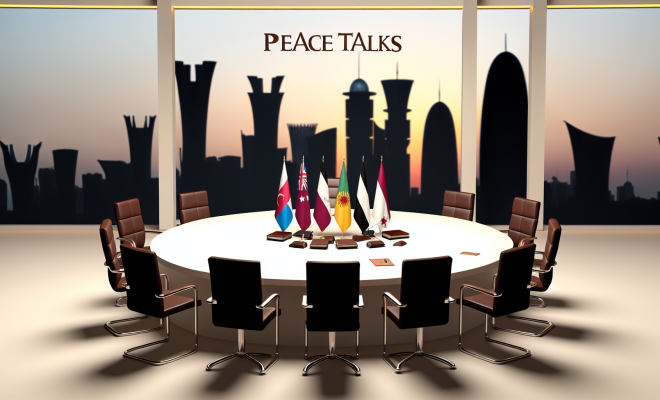
In a significant diplomatic gathering, top officials from various Middle Eastern countries convened in Doha, Qatar, in a concerted effort to address the escalating conflict between the United States and Iran. Notably absent from the discussions were representatives from both nations, highlighting the complexities and regional dynamics at play in this ongoing crisis.
A Platform for Dialogue
The meeting, which took place on October 15, 2023, is part of a broader initiative among Middle Eastern nations to foster dialogue and explore pathways to peace. As tensions have risen in recent months, the urgency for diplomatic resolutions has become increasingly apparent. The absence of US and Iranian officials at the talks underscores a regional desire to take ownership of peace negotiations, potentially sidelining external influences that have historically shaped the conflict.
Context of the Conflict
The relationship between the United States and Iran has been fraught with challenges for decades, culminating in military encounters, economic sanctions, and a volatile regional landscape. The latest surge in hostilities has reinvigorated calls for peace talks, as the ramifications of continued conflict threaten stability and security across the Middle East.
In recent years, the US has adopted a hardline approach towards Iran, particularly following the withdrawal from the Joint Comprehensive Plan of Action (JCPOA) in 2018. Since then, Iran has gradually ramped up its nuclear activities, raising alarms among its regional neighbors and prompting fears of a potential military confrontation.
Regional Leaders Take Center Stage
The Doha meeting brought together officials from several key Middle Eastern countries, each with vested interests in the outcomes of the discussions. Countries such as Saudi Arabia, the United Arab Emirates, Egypt, and Turkey were represented, highlighting a collective acknowledgment of the need for a stable and peaceful resolution.
- Saudi Arabia: As a regional powerhouse, Saudi Arabia’s participation is pivotal, given its long-standing rivalry with Iran.
- United Arab Emirates: The UAE has been increasingly active in diplomatic efforts, aiming to mitigate tensions and foster economic cooperation.
- Egypt: With its historical role as a mediator, Egypt’s involvement is crucial for balancing regional interests.
- Turkey: As a significant player in Middle Eastern geopolitics, Turkey’s stance can influence the direction of peace talks.
Focus on Peace Initiatives
While the specific details of the discussions remain under wraps, sources indicate that the agenda included a variety of topics aimed at reducing hostilities and fostering dialogue. Key areas of focus likely encompassed:
- Strategies for de-escalating military tensions in the region.
- Potential frameworks for future negotiations concerning Iran’s nuclear program.
- Economic cooperation initiatives that could promote stability.
- Humanitarian efforts to address the fallout from ongoing conflicts.
According to on-the-ground reports from Matt Rivers, who provided coverage of the talks, the atmosphere in Doha was marked by a sense of urgency and determination among the participating nations. The officials expressed a shared commitment to finding common ground, despite the absence of US and Iranian influence.
The Geopolitical Landscape
The significance of the Doha talks cannot be overstated, as they represent a shift in how Middle Eastern nations are approaching the longstanding conflict. By taking the initiative to engage in dialogue independently, these countries are asserting their agency in a complex geopolitical landscape.
Moreover, the outcome of these discussions could have broader implications for the region. A successful diplomatic resolution could pave the way for improved relations between rival nations, potentially leading to increased economic ties and collaborative efforts in addressing shared challenges such as terrorism and climate change.
Challenges Ahead
Despite the positive momentum generated by the Doha talks, significant challenges remain. The entrenched positions of the US and Iran complicate the prospect of a unified approach to peace. Additionally, internal divisions among Middle Eastern nations may hinder consensus-building efforts.
As the region grapples with these complexities, the future of the peace process will depend on sustained dialogue and the willingness of all parties to compromise. The coming weeks and months will be critical in determining whether the momentum generated in Doha can translate into tangible progress toward a peaceful resolution.
Conclusion
The recent meeting in Doha represents a crucial step in the ongoing quest for peace in the Middle East. With regional leaders stepping forward to take the reins of diplomacy, there is hope that a collaborative approach can yield positive results. As the world watches closely, the commitment to dialogue may ultimately hold the key to a more stable and secure future for the region.