Mortgage Rates Surge to 6.422% in March 2026: What Homebuyers Need to Know
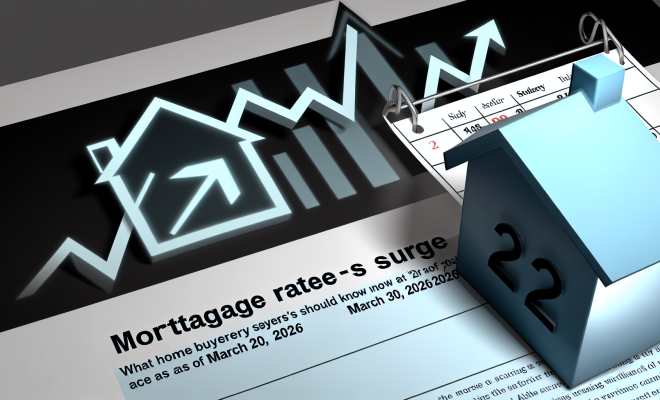
The landscape of mortgage rates is shifting significantly as of March 30, 2026. According to data from Optimal Blue, the average 30-year fixed-rate conforming mortgage has risen to 6.422%, reflecting a daily increase of 6 basis points and a weekly rise of 17 basis points. This trend is indicative of a broader uptick in borrowing costs that could impact homebuyers across the United States.
Current Mortgage Rates Overview
The following are the latest averages for various mortgage types:
- 30-Year Fixed-Rate Conforming Mortgage: 6.422%
- 15-Year Fixed-Rate Mortgage: 5.780%
- Jumbo 30-Year Mortgage: 6.509%
- FHA, VA, and USDA Loans: Rates have also increased, contributing to the overall rise in borrowing costs.
The 15-year fixed-rate mortgage has also seen a notable increase, averaging 5.780%. This reflects a daily climb of 5 basis points and a weekly increase of 13 basis points. Jumbo loans, typically used for higher-priced properties, now average 6.509%, marking a weekly increase of 4 basis points.
The Impact on Homebuyers
With mortgage rates on the rise, potential homebuyers may need to reassess their financial strategies. Higher borrowing costs can directly affect monthly mortgage payments, potentially limiting the purchasing power of buyers. For example, a slight increase in rates can lead to hundreds of dollars in additional costs over the life of a loan.
In periods of rising interest rates, it is crucial for homebuyers to consider their options carefully. Here are a few strategies that may help mitigate the impact of rising mortgage rates:
- Lock in Rates: If you find a favorable rate, locking it in can protect you from further increases.
- Shop Around: Different lenders may offer varying rates and terms, so it pays to compare offers.
- Consider Adjustable-Rate Mortgages: If you anticipate rates may decrease in the future, an adjustable-rate mortgage may offer initial lower payments.
Market Trends and Future Outlook
The current increase in mortgage rates signals significant trends in the broader economic landscape. Analysts suggest that various factors contribute to this rise, including inflationary pressures, economic recovery, and the Federal Reserve’s monetary policy. As the economy continues to stabilize following disruptions in recent years, the Federal Reserve is adjusting interest rates to combat inflation, which can lead to increased mortgage rates.
Experts advise that homebuyers remain informed about these economic conditions. Understanding how inflation and fiscal policy can affect mortgage rates is vital for making sound financial decisions.
“We’re seeing a clear trend toward higher rates, which is likely to continue in the short term,” said a market analyst from Optimal Blue. “Homebuyers should be prepared for these changes and act accordingly.”
Advice for First-Time Homebuyers
For first-time homebuyers, navigating a rising interest rate environment can be particularly daunting. Here are some essential tips to consider:
- Educate Yourself: Understanding mortgage terms, the application process, and current market conditions can empower buyers to make informed choices.
- Consult a Mortgage Professional: Working with a mortgage broker can help you find the best loan products to fit your financial situation.
- Budget for Higher Payments: With rising rates, be prepared for increased monthly payments and ensure your budget accommodates this change.
Conclusion
The mortgage market is witnessing a significant shift as rates continue to rise. With the average 30-year fixed-rate mortgage now at 6.422% and various loan types experiencing similar increases, prospective homebuyers must stay vigilant and informed. By understanding the current landscape and preparing for potential changes, buyers can navigate this challenging environment more effectively. As always, staying updated on economic trends and working with professionals can provide a valuable advantage in the homebuying process.