The Tech Edvocate

Top Menu

  • Advertisement
  • Apps
  • Home Page
  • Home Page Five (No Sidebar)
  • Home Page Four
  • Home Page Three
  • Home Page Two
  • Home Tech2
  • Icons [No Sidebar]
  • Left Sidbear Page
  • Lynch Educational Consulting
  • My Account
  • My Speaking Page
  • Newsletter Sign Up Confirmation
  • Newsletter Unsubscription
  • Our Brands
  • Page Example
  • Privacy Policy
  • Protected Content
  • Register
  • Request a Product Review
  • Shop
  • Shortcodes Examples
  • Signup
  • Start Here
    • Governance
    • Careers
    • Contact Us
  • Terms and Conditions
  • The Edvocate
  • The Tech Edvocate Product Guide
  • Topics
  • Write For Us
  • Advertise

Main Menu

  • Start Here
    • Our Brands
    • Governance
      • Lynch Educational Consulting, LLC.
      • Dr. Lynch’s Personal Website
      • Careers
    • Write For Us
    • The Tech Edvocate Product Guide
    • Contact Us
    • Books
    • Edupedia
    • Post a Job
    • The Edvocate Podcast
    • Terms and Conditions
    • Privacy Policy
  • Topics
    • Assistive Technology
    • Child Development Tech
    • Early Childhood & K-12 EdTech
    • EdTech Futures
    • EdTech News
    • EdTech Policy & Reform
    • EdTech Startups & Businesses
    • Higher Education EdTech
    • Online Learning & eLearning
    • Parent & Family Tech
    • Personalized Learning
    • Product Reviews
  • Advertise
  • Tech Edvocate Awards
  • The Edvocate
  • Pedagogue
  • School Ratings

logo

The Tech Edvocate

  • Start Here
    • Our Brands
    • Governance
      • Lynch Educational Consulting, LLC.
      • Dr. Lynch’s Personal Website
        • My Speaking Page
      • Careers
    • Write For Us
    • The Tech Edvocate Product Guide
    • Contact Us
    • Books
    • Edupedia
    • Post a Job
    • The Edvocate Podcast
    • Terms and Conditions
    • Privacy Policy
  • Topics
    • Assistive Technology
    • Child Development Tech
    • Early Childhood & K-12 EdTech
    • EdTech Futures
    • EdTech News
    • EdTech Policy & Reform
    • EdTech Startups & Businesses
    • Higher Education EdTech
    • Online Learning & eLearning
    • Parent & Family Tech
    • Personalized Learning
    • Product Reviews
  • Advertise
  • Tech Edvocate Awards
  • The Edvocate
  • Pedagogue
  • School Ratings
  • The AI Job Apocalypse: Are Companies Hiding The Real Reason For Mass Layoffs?

  • One Crucial Factor Could Decimate Your US Auto Insurance Rates in 2026

  • Unbelievable: Meta Hit With $25 Billion Fine — Is Your Health Data Next?

  • 10 Crucial AI Literacy Courses Every Parent Needs Now

  • The Unseen Force Quietly Reshaping Rural Life: 7 Satellite Internet Providers Battling for Supremacy

  • Best Buy’s Gamers Hub: The Unbelievable Truth About Its “Rewards” And Discounts

  • 8 Crucial Reasons Why MAI-DxO Just Obliterated Doctors in a Head-to-Head Diagnosis Battle

  • The Brutal Truth About Student Loan Refinancing for New Grads in 2024

  • The Brutal Truth: AI Just Blew Up PHP Security – Here’s How to Survive ‘Black October’

  • Sodium-ion storage maker Peak Energy raises $108 million in GM-led round – PV Magazine

Tech News
Home›Tech News›Casual GLP-1 Use Soars Among Non-Obese Women in 2026

Casual GLP-1 Use Soars Among Non-Obese Women in 2026
By Matthew Lynch
March 29, 2026
0
Spread the love

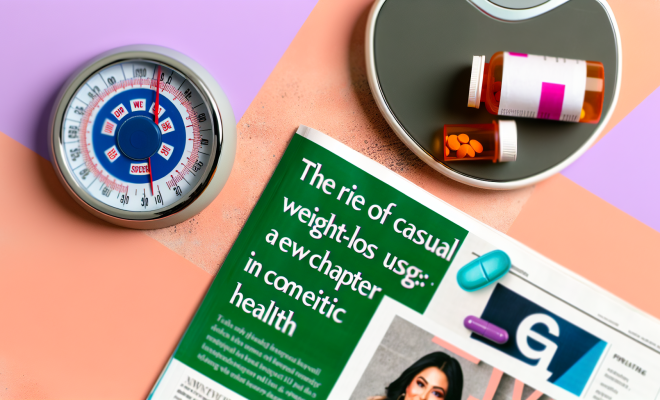
In recent years, a notable shift has occurred in the landscape of weight management, particularly in urban centers like New York City. Reports indicate that non-obese, non-diabetic women are increasingly turning to GLP-1 (glucagon-like peptide-1) injections for modest weight loss, a trend that marks a significant departure from traditional uses of weight-loss pharmaceuticals.

The Emergence of Casual Users

As of March 29, 2026, a growing number of women who do not fit the medical criteria for obesity or diabetes are seeking out weight-loss drugs. This phenomenon has given rise to the term “casual users,” referring to individuals who are pursuing these medications not out of medical necessity, but for cosmetic reasons. They aim to achieve aesthetic goals that align with contemporary beauty standards, rather than addressing health issues associated with weight.

Understanding GLP-1 Medications

GLP-1 medications, which include drugs like semaglutide and liraglutide, have primarily been prescribed to individuals with obesity or diabetes. These medications work by mimicking the effects of the hormone glucagon-like peptide-1, which helps regulate appetite and insulin secretion. While they have shown effectiveness in assisting with weight loss, their usage has typically been confined to those who have a medical need.

Changing Attitudes Towards Weight Management

The shift toward casual usage of these drugs reflects broader societal changes in attitudes toward weight management and body image. In an era where social media platforms often promote idealized body types, many individuals are feeling the pressure to conform to these standards. This cultural shift has prompted some women to seek pharmaceutical solutions as a quick fix for weight loss, even if they do not fall into the clinical categories that typically warrant such treatments.

The Accessibility of Weight-Loss Medications

Another factor contributing to the rise of casual users is the increasing accessibility of weight-loss medications. With the expansion of telehealth services and online pharmacies, obtaining prescriptions has become easier than ever. Women can now consult with healthcare providers remotely and receive prescriptions without the need for in-person visits.

  • Telehealth Services: Facilitate easy consultations.
  • Online Pharmacies: Provide convenient access to medications.
  • Social Media: Influences perceptions of beauty and weight.

Risks and Ethical Concerns

While the allure of rapid weight loss may be tempting, the rise of casual users prompts important ethical questions about the marketing and appropriateness of these medications. Healthcare professionals warn that using weight-loss drugs without a clinical indication can lead to potential health risks. Side effects can include nausea, vomiting, and even more serious complications, particularly if individuals misuse or overuse these medications.

Moreover, the normalization of casual weight-loss drug use could perpetuate unhealthy weight management practices. Experts express concern that this trend may signal a lack of acceptance of diverse body types and reinforce harmful societal standards regarding weight and beauty.

The Role of Healthcare Providers

In light of this emerging trend, healthcare providers play a crucial role in guiding patients on the responsible use of weight-loss medications. It is essential for providers to assess not just the physical health of their patients but also the psychological and social factors influencing their desire for weight loss. They must ensure that patients understand the potential risks associated with using these drugs without medical necessity.

Promoting Healthy Body Image

Addressing the underlying issues of body image and self-esteem is equally important. Healthcare providers can support patients in developing a healthier relationship with their bodies by promoting balanced nutrition, physical activity, and mental health awareness. This holistic approach can help individuals achieve their health and wellness goals without resorting to potentially harmful pharmaceutical interventions.

The Future of Weight-Loss Drugs

As this trend continues to evolve, it is crucial for the medical community to adapt and respond appropriately. The rise of casual users seeking weight-loss drugs underscores the need for updated guidelines regarding the prescription and marketing of these medications. A balanced approach that considers both the benefits and risks is essential to ensure that patients are making informed decisions about their health.

In conclusion, while the search for quick and effective weight-loss solutions may be a natural inclination for many, the trend of casual users seeking GLP-1 injections raises important questions about the implications of such choices. As society continues to navigate the complexities of beauty standards and health, fostering informed discussions about weight management will be key to promoting overall well-being.


Previous Article

Tennessee’s Youth Suicide Crisis: A 2024 Call ...

Next Article

Don & Suzanne Manning: Building a “Crazy ...

Matthew Lynch

Related articles More from author

  • Tech News

    Get a Deal on an Anker Charger, and Say Goodbye to That Dying Red Battery Icon

    January 30, 2024
    By Matthew Lynch
  • Tech News

    How to share Amazon Prime account

    June 13, 2026
    By Matthew Lynch
  • Tech News

    How to use Fiverr buyer requests?

    August 14, 2026
    By Matthew Lynch
  • Tech News

    How to use Google+ Local insights

    July 22, 2026
    By Matthew Lynch
  • Tech News

    Unlock ADHD Strengths for Better Mental Health in 2025

    April 4, 2026
    By Matthew Lynch
  • Tech News

    Today’s Wordle Hints, Answer and Help for July 25, #1132

    July 26, 2024
    By Matthew Lynch

Search

Login & Registration

  • Log in
  • Entries feed
  • Comments feed
  • WordPress.org

Newsletter

Signup for The Tech Edvocate Newsletter and have the latest in EdTech news and opinion delivered to your email address!

About Us

Since technology is not going anywhere and does more good than harm, adapting is the best course of action. That is where The Tech Edvocate comes in. We plan to cover the PreK-12 and Higher Education EdTech sectors and provide our readers with the latest news and opinion on the subject. From time to time, I will invite other voices to weigh in on important issues in EdTech. We hope to provide a well-rounded, multi-faceted look at the past, present, the future of EdTech in the US and internationally.

We started this journey back in June 2016, and we plan to continue it for many more years to come. I hope that you will join us in this discussion of the past, present and future of EdTech and lend your own insight to the issues that are discussed.

Newsletter

Signup for The Tech Edvocate Newsletter and have the latest in EdTech news and opinion delivered to your email address!

Contact Us

The Tech Edvocate
910 Goddin Street
Richmond, VA 23231
(601) 630-5238
[email protected]

Copyright © 2026 Matthew Lynch. All rights reserved.