The Tech Edvocate

Top Menu

  • Advertisement
  • Apps
  • Home Page
  • Home Page Five (No Sidebar)
  • Home Page Four
  • Home Page Three
  • Home Page Two
  • Home Tech2
  • Icons [No Sidebar]
  • Left Sidbear Page
  • Lynch Educational Consulting
  • My Account
  • My Speaking Page
  • Newsletter Sign Up Confirmation
  • Newsletter Unsubscription
  • Our Brands
  • Page Example
  • Privacy Policy
  • Protected Content
  • Register
  • Request a Product Review
  • Shop
  • Shortcodes Examples
  • Signup
  • Start Here
    • Governance
    • Careers
    • Contact Us
  • Terms and Conditions
  • The Edvocate
  • The Tech Edvocate Product Guide
  • Topics
  • Write For Us
  • Advertise

Main Menu

  • Start Here
    • Our Brands
    • Governance
      • Lynch Educational Consulting, LLC.
      • Dr. Lynch’s Personal Website
      • Careers
    • Write For Us
    • The Tech Edvocate Product Guide
    • Contact Us
    • Books
    • Edupedia
    • Post a Job
    • The Edvocate Podcast
    • Terms and Conditions
    • Privacy Policy
  • Topics
    • Assistive Technology
    • Child Development Tech
    • Early Childhood & K-12 EdTech
    • EdTech Futures
    • EdTech News
    • EdTech Policy & Reform
    • EdTech Startups & Businesses
    • Higher Education EdTech
    • Online Learning & eLearning
    • Parent & Family Tech
    • Personalized Learning
    • Product Reviews
  • Advertise
  • Tech Edvocate Awards
  • The Edvocate
  • Pedagogue
  • School Ratings

logo

The Tech Edvocate

  • Start Here
    • Our Brands
    • Governance
      • Lynch Educational Consulting, LLC.
      • Dr. Lynch’s Personal Website
        • My Speaking Page
      • Careers
    • Write For Us
    • The Tech Edvocate Product Guide
    • Contact Us
    • Books
    • Edupedia
    • Post a Job
    • The Edvocate Podcast
    • Terms and Conditions
    • Privacy Policy
  • Topics
    • Assistive Technology
    • Child Development Tech
    • Early Childhood & K-12 EdTech
    • EdTech Futures
    • EdTech News
    • EdTech Policy & Reform
    • EdTech Startups & Businesses
    • Higher Education EdTech
    • Online Learning & eLearning
    • Parent & Family Tech
    • Personalized Learning
    • Product Reviews
  • Advertise
  • Tech Edvocate Awards
  • The Edvocate
  • Pedagogue
  • School Ratings
  • The Hidden Cost of EVs: Why Your Battery Could Cost More Than Your Car in 2026

  • Jensen Huang’s Shock Exit: This Unbelievable Scandal Just Rocked Nvidia and the AI World

  • Big Walk developer House House Confirms ‘Sparing’ Use of Gen AI – Press Start

  • Baffling: How a Cyber Breach at South Korea’s Top Security Watchdog Exposed Millions

  • Wenn Ordnung den Bildschirm beruhigt: Warum klare Abläufe Casino-Unterhaltung einladender machen

  • Reddit AI Reviews: The Quiet Reshaping of Online Opinion

  • The Chilling Truth: Iran Cyberattacks Europe’s Food and Blood Supplies

  • Anthropic’s $3.4 Billion Bet on Gas: The Unseen Cost of AI’s Future

  • Tribit FlyBuds C3 Earbuds: Premium Features at a Budget-Friendly Price

  • Is AuraCam Pro’s Emotional AI a Privacy Nightmare or Security Breakthrough?

Tech News
Home›Tech News›Middle East Conflict Escalates: Houthis Join US-Israel Fight

Middle East Conflict Escalates: Houthis Join US-Israel Fight
By Matthew Lynch
March 29, 2026
0
Spread the love

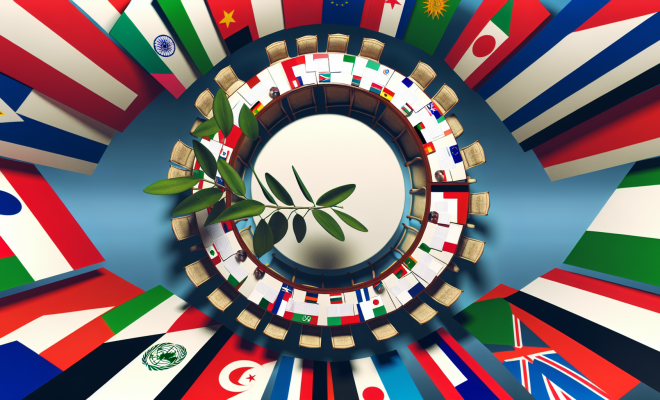
The ongoing conflict involving the United States and Israel against Iran has taken a dramatic turn as the Houthi forces from Yemen have entered the fray. This unexpected development has heightened concerns of a wider regional instability, potentially disrupting the already fragile economic landscape of the Middle East. In response to this escalating situation, Pakistan has announced it will host a significant regional meeting aimed at fostering diplomatic dialogue among key players in the region.

Houthis’ Involvement Marks a New Phase

The Houthis, an armed group based in Yemen, have launched attacks that align them with Iran in the ongoing conflict against US and Israeli interests. This alignment raises alarms about the possibility of a broader confrontation that could engulf more nations in the region, further complicating an already tenuous geopolitical situation.

While the specifics of the Houthi attacks remain under wraps, the implications are profound. Analysts warn that the involvement of the Houthis could lead to retaliatory actions from the US and Israel, potentially sparking a wider conflict across the Arabian Peninsula and beyond.

Pakistan to Facilitate Regional Diplomatic Efforts

In light of these developments, Pakistan has stepped up to play a mediating role by organizing a meeting of foreign ministers from key regional players: Saudi Arabia, Turkey, and Egypt. Scheduled for Monday, this summit aims to seek a cohesive regional response to the mounting tensions stemming from the US-Israeli-Iran conflict.

Notably absent from the discussions will be representatives from the warring parties, including the United States, Israel, and Iran itself. This exclusion raises questions about the effectiveness of the talks, especially given the history of strained relations among these nations and their differing perspectives on the ongoing conflict.

Goals of the Regional Summit

  • Enhance Cooperation: The primary goal of the meeting is to enhance cooperation among Middle Eastern nations in addressing shared security concerns.
  • Establish a Unified Front: The participating countries aim to present a united front against external influences destabilizing the region.
  • Avoid Direct Conflict: The summit seeks to promote dialogue that could potentially prevent further escalation of military actions.

The meeting reflects a growing recognition among regional powers of the need to address the ramifications of foreign interventions in their affairs, particularly those driven by US-Israeli interests.

Reactions to the Escalating Situation

As news of Houthi involvement spreads, reactions from various stakeholders have been swift. Many regional analysts express skepticism regarding the efficacy of US claims about achieving diplomatic progress, especially given the current context of renewed hostilities.

In Washington and Tel Aviv, officials are closely monitoring the situation, weighing their next moves in light of this new threat. The unpredictability of the Houthis’ actions complicates military and diplomatic responses, as the group has proven to be a resilient force in Yemen’s prolonged civil war.

Potential Economic Consequences

The ramifications of this conflict extend beyond military engagements; economic disruptions loom large on the horizon. The Middle East has always been a pivotal region for global oil supply, and any escalation could significantly affect oil prices and overall economic stability.

Analysts predict that sustained conflict could lead to:

  • Increased Oil Prices: Disruptions in oil supply routes could drive prices up, affecting economies worldwide.
  • Market Volatility: Investors may react negatively to rising tensions, leading to increased market volatility.
  • Humanitarian Crises: Prolonged conflict could exacerbate existing humanitarian issues, particularly in Yemen, where the population is already suffering from war-induced hardships.

Conclusion: A Call for Restraint

The entry of Houthi forces into the US-Israeli conflict underscores the fragile state of the Middle East and the intricate web of alliances and enmities that define it. As Pakistan prepares to host crucial talks aimed at fostering regional diplomacy, the need for restraint and dialogue has never been more critical.

While the outcomes of these discussions remain uncertain, the situation serves as a stark reminder of the volatile nature of international relations in the region and the potential consequences of unchecked aggression. Moving forward, the world watches closely, hoping for a resolution that promotes peace and stability rather than further conflict.


Previous Article

U.S. Marines Deploy to Middle East Amid ...

Next Article

Iran Threatens US Universities Amid Rising Tensions ...

Matthew Lynch

Related articles More from author

  • Tech News

    Families Embrace AI for Mental Health: A Quiet Revolution

    August 2, 2026
    By Matthew Lynch
  • Tech News

    India’s Education Update 2026: Innovations for Student Success

    March 28, 2026
    By Matthew Lynch
  • Tech News

    Boost Your WiFi: A Guide to Changing Your Channel

    June 17, 2026
    By Matthew Lynch
  • Tech News

    NCERT Unveils New Class 9 Textbooks in Live Webinar Series 2023

    April 4, 2026
    By Matthew Lynch
  • Tech News

    Tehran Celebrates Nowruz 2026 Amidst Conflict

    March 21, 2026
    By Matthew Lynch
  • Tech News

    Singapore is considered one of the best-designed cities in the world. The man who masterminded it has 2 regrets.

    July 27, 2024
    By Matthew Lynch

Search

Login & Registration

  • Log in
  • Entries feed
  • Comments feed
  • WordPress.org

Newsletter

Signup for The Tech Edvocate Newsletter and have the latest in EdTech news and opinion delivered to your email address!

About Us

Since technology is not going anywhere and does more good than harm, adapting is the best course of action. That is where The Tech Edvocate comes in. We plan to cover the PreK-12 and Higher Education EdTech sectors and provide our readers with the latest news and opinion on the subject. From time to time, I will invite other voices to weigh in on important issues in EdTech. We hope to provide a well-rounded, multi-faceted look at the past, present, the future of EdTech in the US and internationally.

We started this journey back in June 2016, and we plan to continue it for many more years to come. I hope that you will join us in this discussion of the past, present and future of EdTech and lend your own insight to the issues that are discussed.

Newsletter

Signup for The Tech Edvocate Newsletter and have the latest in EdTech news and opinion delivered to your email address!

Contact Us

The Tech Edvocate
910 Goddin Street
Richmond, VA 23231
(601) 630-5238
[email protected]

Copyright © 2026 Matthew Lynch. All rights reserved.