Resilience Amidst Conflict: Celebrating Nowruz in Tehran’s Crowded Markets
The arrival of Nowruz, the Persian New Year, traditionally heralds a time of renewal and celebration in Iran. However, in 2026, the festivities in Tehran are overshadowed by ongoing violence, as US-Israeli airstrikes continue to impact the city and the entire nation. Despite the grim backdrop, residents have displayed remarkable resilience, flocking to the markets in preparation for this significant cultural event.
Tehran’s Market Scene: A Blend of Celebration and Uncertainty
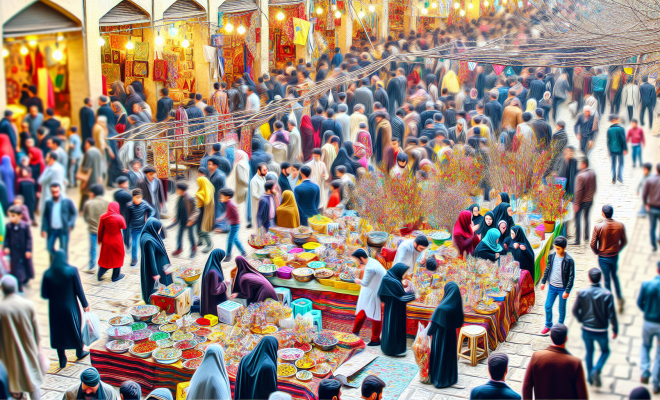
On March 19, 2026, the streets of Tehran were bustling with activity, a testament to the Iranian spirit even as the nation grapples with the consequences of conflict. Markets were crowded with people eager to purchase traditional items needed for the Nowruz celebrations, such as Haft-Seen ingredients, sweets, and new clothes. The scene was lively, with vendors calling out to customers and families walking through the aisles, searching for the perfect items to mark the New Year.
Impact of Ongoing Airstrikes
As of mid-March 2026, the death toll across Iran has surpassed 1,300, a stark reminder of the ongoing conflict. Many residents have fled the city, seeking safety away from the violence. The threat of airstrikes looms large, creating an atmosphere of tension that contrasts sharply with the vibrant market activity.
In response to the crisis, authorities have taken measures to support those remaining in the city. The metro services have been made free of charge, functioning not only as a means of transportation but also as makeshift shelters for those in need. Pharmacies and food shops have remained operational, ensuring that essential supplies are accessible for the residents, despite the challenges posed by the conflict.
Challenges of Daily Life
While the markets are alive with shoppers, the impact of the ongoing conflict is palpable. With limited internet access and unstable GPS signals, communication and transport have been significantly disrupted. This has made it increasingly difficult for residents to navigate the city and stay connected with loved ones, further complicating the already challenging daily life.
The Spirit of Nowruz
Nowruz, which translates to “new day,” is celebrated on the vernal equinox, marking the first day of spring. It is a time for families to come together, reflect on the past year, and hope for a better future. Despite the adversities faced this year, the spirit of Nowruz remains strong among the people of Tehran. Many are determined to uphold traditions, sharing meals and setting up the Haft-Seen table, a symbolic arrangement of seven items starting with the Persian letter ‘S’, each representing a different hope for the New Year.
- Sabzeh: Sprouted wheat, symbolizing rebirth.
- Samanu: A sweet pudding made from wheat sprouts, representing power and strength.
- Senjed: Dried fruit, symbolizing love.
- Seer: Garlic, representing health.
- Seeb: Apples, representing beauty and health.
- Somāq: Sumac, symbolizing the sunrise and the triumph of good over evil.
- Serkeh: Vinegar, representing patience and wisdom.
Community Support and Solidarity
During this difficult time, communities have come together to support one another. Neighbors are sharing resources and food, helping those who may be struggling due to the effects of the conflict. This solidarity embodies the essence of Iranian culture, where family and community play pivotal roles in navigating hardships.
The resilience displayed by Tehran’s residents serves as a powerful reminder of the human spirit’s ability to endure even in the face of adversity. As the city prepares for Nowruz amidst airstrikes and uncertainty, the celebrations offer a glimmer of hope and a chance for renewal.
Looking Forward
As the celebrations unfold, many Iranians are looking beyond the current turmoil, hoping for a peaceful resolution to the ongoing conflict. The spirit of Nowruz transcends the immediate challenges, inspiring individuals to dream of a future where they can celebrate freely, without the shadow of war looming overhead.
For those in Tehran, the markets may be crowded, but the heart of the city beats strong, echoing the hopes of its residents for a brighter tomorrow. As families gather around their Haft-Seen tables and share in the traditions of Nowruz, they do so with an unwavering belief in resilience and renewal, even amidst the harsh realities of conflict.