New Zealand Accelerates Electrification Amid Soaring 2026 Fuel Prices
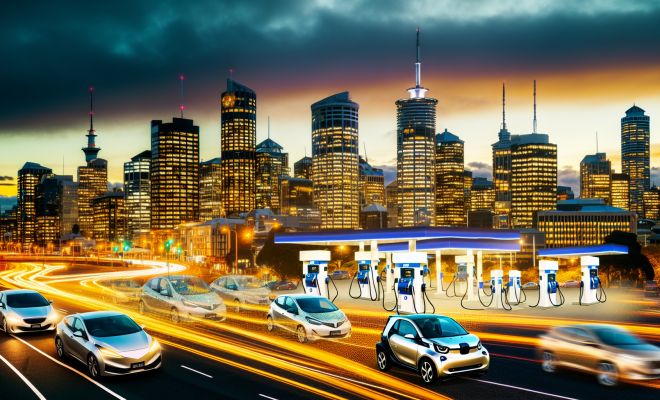
The ongoing conflict in Iran and the ensuing energy crisis have led to significant fuel price surges, prompting New Zealand to accelerate its transition to electrification. As fuel prices become increasingly burdensome, many Kiwis are now exploring electric alternatives with renewed vigor.
Fuel Price Surge: A Catalyst for Change
In recent weeks, New Zealand has witnessed a notable increase in fuel prices, a situation exacerbated by geopolitical tensions. The Iranian conflict has disrupted global oil supplies, contributing to a spike in prices that has left consumers and businesses grappling with higher costs.
According to Mike Casey, the Kiwibank Sustainable Business Leader of the Year for 2026, the current energy crisis is a pivotal moment for New Zealand. “This crisis is pushing us to reconsider our reliance on imported fossil fuels and to embrace cleaner energy alternatives,” Casey stated. As fuel prices continue to climb, the urgency for sustainable solutions has never been greater.
Record Electric Vehicle Sales
Amid soaring fuel costs, New Zealanders are turning to electric vehicles (EVs) in record numbers. Last week marked a significant milestone as it became the biggest week for EV sales since the Clean Car Discount was abolished in 2023. This uptick in EV sales signals a permanent shift in consumer behavior and an increasing acceptance of electric mobility.
Data shows that the interest in electric vehicles has surged, with many consumers now considering EVs not just as a green alternative but as a practical solution to rising fuel costs. The price of petrol has become a driving force behind this shift, as New Zealanders seek to protect themselves from the volatility of the fossil fuel market.
Government Policies and Incentives
While the Clean Car Discount was removed, the New Zealand government continues to support the electrification initiative through various policies aimed at promoting sustainable transportation. These include:
- Investment in EV charging infrastructure
- Tax incentives for businesses adopting electric fleets
- Public awareness campaigns highlighting the benefits of electric transport
Such measures are crucial in fostering an environment conducive to the adoption of electric vehicles, making it easier for consumers to transition away from traditional fossil fuels.
Public Sentiment and Awareness
The recent rise in fuel prices has not only affected individual consumers but has also spurred broader public discourse on sustainability and energy independence. Many Kiwis are now more aware of the environmental impacts of their choices and are actively seeking ways to reduce their carbon footprint.
Electric vehicles are being seen as a key part of this transition, with many consumers recognizing the long-term savings associated with EV ownership. Lower maintenance costs, reduced fuel expenditures, and government support make electric vehicles an increasingly appealing option.
The Future of Transportation in New Zealand
As New Zealand grapples with the challenges posed by rising fuel prices, the push for electrification is likely to accelerate. Experts predict that the trend towards electric vehicles will continue to grow, driven by both economic factors and environmental considerations.
New Zealand’s commitment to reducing greenhouse gas emissions aligns with global efforts to combat climate change. According to the Ministry of Transport, the country aims to achieve net-zero emissions by 2050, with transportation being a significant focus area for reductions.
In light of this commitment, the increasing adoption of electric vehicles is seen as vital. By reducing reliance on fossil fuels, New Zealand can enhance its energy security while simultaneously contributing to global climate goals.
Challenges Ahead
Despite the positive outlook for electric vehicle adoption, several challenges remain on the path to widespread electrification. Key issues include:
- Charging Infrastructure: Expanding the network of charging stations across the country is essential to facilitate the growth of electric vehicle use.
- Affordability: While the long-term savings of EVs are clear, the upfront cost can be a barrier for many consumers.
- Consumer Education: Increasing awareness about the benefits and capabilities of electric vehicles is necessary to drive adoption.
Addressing these challenges will require collaboration between government, industry, and consumers. Stakeholders must work together to create a robust ecosystem that supports the electrification of transportation.
Conclusion
The current energy crisis serves as a wake-up call for New Zealand, highlighting the urgent need to transition away from fossil fuels. As fuel prices soar, the shift towards electric vehicles is becoming more pronounced, with record sales indicating a fundamental change in consumer behavior.
With continued government support, public awareness, and a commitment to sustainability, New Zealand is well-positioned to embrace electrification as a viable solution to its energy challenges. The road ahead may be fraught with obstacles, but the momentum towards a greener, more sustainable future is undeniable.